GOLD COAST, Australia–Australia can no longer rely on its geographic isolation to protect it from conflict, retired Major General Mick Ryan warned last week.
“Distance does not give us the security we once had,” he told the Reveille 2026 defence investment conference on Sept 9.
Ryan delivered the message during his keynote address, “The Speed of War,” at the start of the event where he described the “three As of modern warfare”: autonomous systems (drones and counter drone tech), artificial intelligence, and adaptation.
Ryan pointed to BRAVE1–an online platform launched by the Ukrainian government that brings together manufacturers and investors to create new weapons as fast as possible.
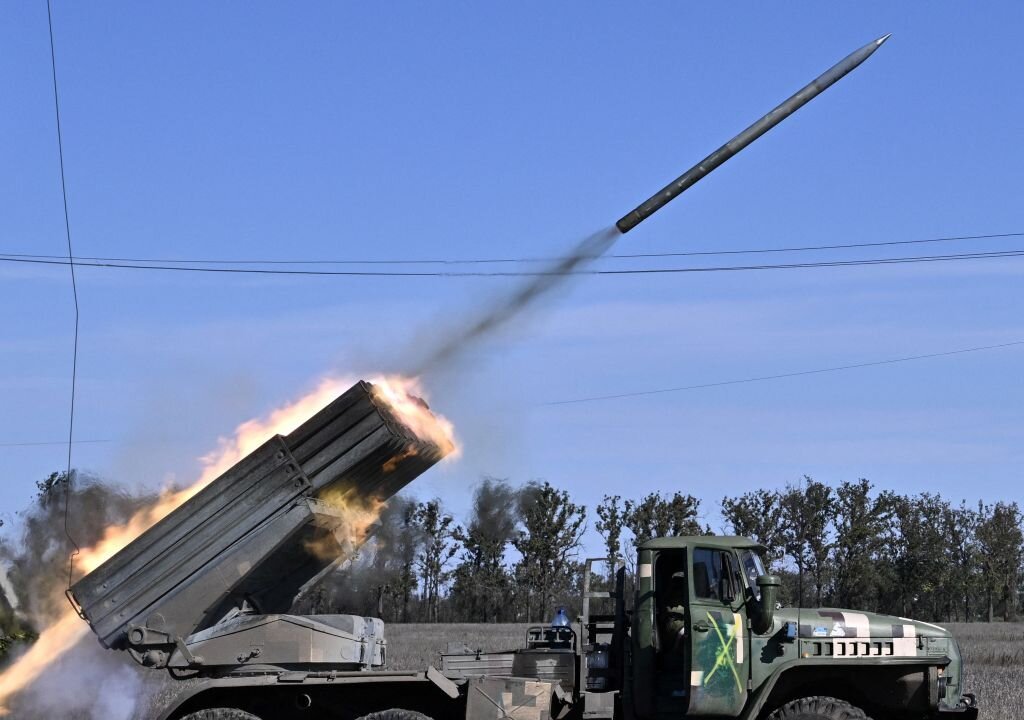
One example of this speed was how Ukraine’s armed forces doubled the range of its missiles in the span of four years.
In 2022, it struck Russia’s Engels-2 air base, about 650 kilometres from the Ukrainian border.
Related Stories


The major general further pointed to growing risks posed by adversaries of the West—notably China, Russia, Iran, and North Korea (CRINK).
He said allies in the CRINK axis were collaborating on industrial production and sharing knowledge, arguing Australia needs to be faster at adapting to warfare.
“To fight tonight, you must survive tonight,” he said.
Bringing Capital and Defence Together
Reveille brought delegates, investors, defence leaders, and industry representatives together at the Gold Coast.
Hosted by Beaten Zone Venture Partners, the event was created to encourage greater private investment into Australia’s defence sector and connect Australian companies with investors from the United States, United Kingdom, and Europe.
Beaten Zone founder and tech entrepreneur Steve Baxter argued that Australia needs more private capital flowing into defence and national security technologies, saying the conference was intended to bring investors closer to companies developing weapons.
“There’s a hesitancy amongst the Australian investment community to back defence-centric businesses,” Baxter told The Epoch Times in an interview.
“[But] everyone is taking [defence] a lot more seriously—Australia, we’re behind the curve.”
Founders working across hypersonics, autonomous systems, artificial intelligence, robotics, and space technology were among those represented at the conference.
Defence Technology Reaches Beyond the Battlefield
But not everyone attending Reveille came from the traditional defence or investment sectors.
Tim Neale, co-founder of Queensland-based precision agriculture company, DataFarming, attended to explore how technologies developed for defence could also be applied to agriculture.
“We see that new technology goes across different industries, and a lot of the technology that we use in agriculture has actually come from defence,” Neale told The Epoch Times.
He pointed to satellite imagery, GPS guidance, and communications systems as examples of technology with broader application.
“Automation is big in agriculture,” Neale said.
“Remote sensing, automation, robotics, AI. It’s all the same stuff, but it’s just a different context.”
His company uses satellite imagery to provide Australian farmers with information about their paddocks and crops through an online platform.
DataFarming says its technology has been used across tens of thousands of farms—about half of Australia’s farms.
“We’re just seeing [opportunities] for collaboration [at Reveille], particularly around the U.S., because I think the U.S. is really where the capital lies, and we don’t have enough capital in Australia,” he said.
“So it’s really about how do we access that and work together.”