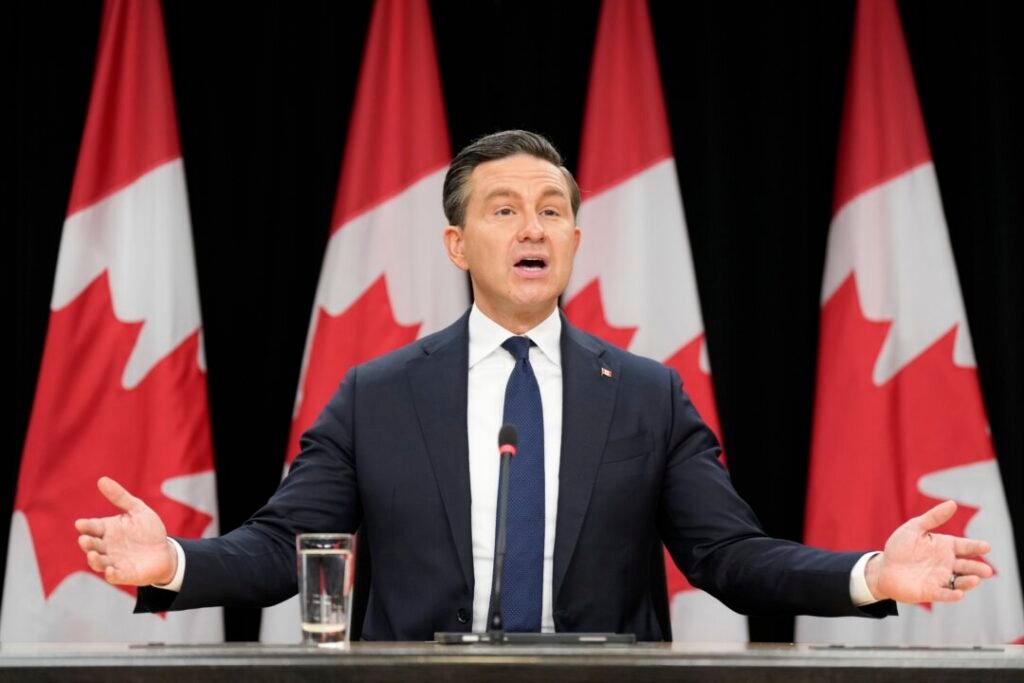

Conservative Leader Pierre Poilievre speaks during a news conference in Ottawa on June 25, 2026. The Canadian Press/Adrian Wyld
Conservative Leader Pierre Poilievre is urging Prime Minister Mark Carney to reconvene Parliament after he directed Canadian negotiators to walk away from a proposed trade deal with Washington.
Poilievre wrote a letter to Carney on Aug. 23 saying that the repercussions Canada will face from the failed talks warrants the return of parliamentarians to Ottawa to scrutinize the issue.
“What precisely was in the proposed deal that you appeared willing to accept until late last week when you suddenly decided to end talks?” Poilievre said.
“It is time for you to release the text of the deal you read and rejected. The U.S. administration has seen it. Your government has seen it. Canadians must see it to judge what options are on the table.”
Carney halted trade negotiations with the United States on Aug. 21 and vowed to impose retaliatory dollar-for-dollar tariffs in reaction to new 50 percent tariffs imposed by the United States on $28 billion worth of Canadian goods from hockey sticks and honey to essential oils and dairy products. The tariffs imposed by the White House took effect at midnight on Aug. 22 and Canadian counter-tariffs are set to begin on Sept. 8.
U.S. President Donald Trump said on Aug. 24 that he will impose new 50 percent tariffs on Canadian autos starting on Jan. 1, 2027. Washington blames Ottawa for the failed trade talks, saying Canada walked back its commitments.
Related Stories

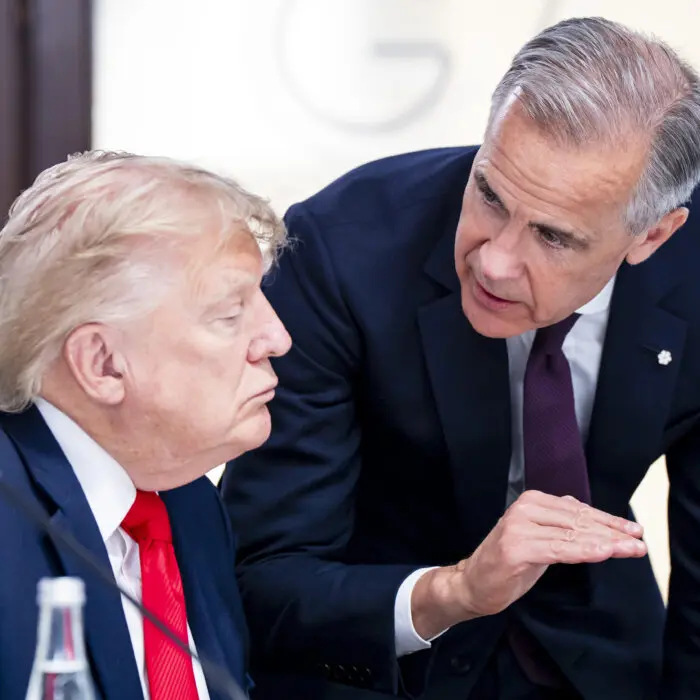
The prime minister said the proposed deal would have limited Canada’s capacity to negotiate with other countries, restricted Canada from imposing French-language requirements on products, and did not reduce tariffs on medium- and heavy-duty trucks.
U.S. Trade Representative Jamieson Greer told the New York Times that Washington had in part proposed to cut tariffs on Canadian softwood lumber, and lower 50 percent tariffs on steel and aluminum from 50 percent to 25 percent, in addition to removing the new 50 percent tariffs.
Poilievre’s letter suggests parliament be given the opportunity to confront these issues, and also asked how Carney plans to protect steel, aluminum, lumber, and auto manufacturing jobs impacted by American tariffs and argued that the retaliatory tariffs Canada is planning will place even more economic pressure on Canadians.
“Insolvencies are at their worst since the Great Global Recession. How will you avoid worsening this inflation? Where will the revenues be directed?” Poilievre said.
The Canadian Press contributed to this report.