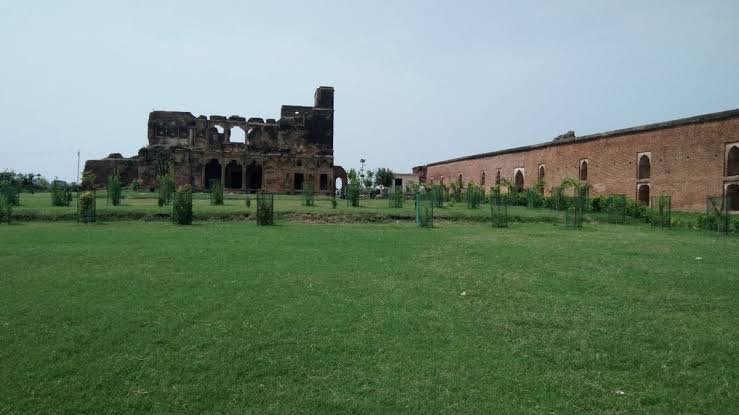
Unveiling the Layers of Chandauli History
Chandauli, a district in the Indian state of Uttar Pradesh, is a land where history whispers through ancient rivers, forgotten kingdoms, and modern political shifts. While it officially became a separate district on May 20, 1997, the history of Chandauli stretches far beyond this date, steeped in mythological significance, archaeological treasures, and a strategic geographical location on the banks of the Karmanasa River .
Often overshadowed by its famous neighbor, Varanasi, Chandauli boasts its own unique identity. It is a region that has witnessed the rise and fall of dynasties, served as a critical trade route, and remains a testament to the resilience of its people. The modern district, which is part of the Varanasi Division, has a turbulent administrative history, having been dissolved and re-established within the span of a few years due to political decisions, showcasing its importance in the region .
Today, Chandauli is emerging as a significant administrative and cultural center. This blog post serves as a deep dive into the multifaceted history of Chandauli, exploring its archaeological significance, its mythological connections, its journey to statehood, and its vibrant cultural heritage that continues to thrive in the 21st century.
1. The Administrative On-and-Off Journey of Chandauli
The story of Chandauli history is incomplete without understanding its modern political and administrative evolution. For many years, Chandauli was a tehsil (administrative division) within the Varanasi district. However, the demand for a separate district gained momentum in the late 20th century, driven by the need for better governance, development, and administrative efficiency in the region.
The Birth and Dissolution
-
Formation (1997): The government of Uttar Pradesh finally acceded to the demands and created Chandauli as a separate district on May 20, 1997 . This was a landmark moment for the region, giving it a distinct administrative identity and allowing for focused attention on its development needs.
-
Dissolution (2004): The history of Chandauli took a dramatic turn just a few years later. In January 2004, shortly after coming into power, the then Chief Minister of Uttar Pradesh, Mulayam Singh Yadav, dissolved the district . It was merged back into the Varanasi district, a decision that sparked widespread protests and legal challenges from the residents and political leaders of Chandauli .
The Recreation and Legacy
-
Recreation (2004): The decision to dissolve the district was challenged in the High Court. The court’s intervention vindicated the aspirations of the people of Chandauli. On June 17, 2004, the district was re-established, restoring its administrative status . The first political leaders who championed this cause are remembered as key figures in modern Chandauli history.
This period of administrative uncertainty is a crucial chapter in the history of Chandauli. It highlights the political complexities of state reorganization in India and the relentless fight by local communities to achieve recognition and self-governance. The fact that it was dissolved and re-established within months shows the deep-rooted support for the district’s existence.
2. Geographical and Historical Context: Where is Chandauli?
To truly understand the history of Chandauli, one must look at its geography. The district is located in the southeastern part of Uttar Pradesh and is a part of the Varanasi Division. It shares its borders with three major districts:
-
Varanasi District to the north.
-
Ghazipur District to the east.
-
Mirzapur District to the west.
This strategic location has placed Chandauli at the crossroads of culture, trade, and historical events. The boundaries of the district are natural and political, with the Karmanasa River serving as a significant geographical marker.
3. The Significance of the Karmanasa River in Chandauli History
The Karmanasa River is not just a water body in Chandauli; it is the lifeblood of the region and a constant feature in the history of Chandauli. Originating in the Kaimur Hills, this river flows through the district before joining the Ganges.
Mythological and Religious Importance
In Hindu mythology, the river holds a complex position. The name “Karmanasa” translates to “destroyer of karma” or “karma destroyer.” It is said that the river originated from a drop of sweat from the brow of Lord Shiva. According to another legend, the river is associated with the sage Shringi Rishi, who cursed the river for disturbing his meditation.
The river’s banks are home to several ancient ghats and temples, which have been sites of pilgrimage for centuries. The rituals, fairs, and festivals associated with the Karmanasa River form an integral part of local history, tying the community to their spiritual roots.
A Regional Boundary
Historically, the Karmanasa River has often served as a political and cultural boundary. It separates Chandauli from some parts of the Mirzapur region. The area around the river is considered the southeastern frontier of the Vindhya Range, creating a distinct ecological and cultural zone.
4. Archaeological Landscape and Settlement Evolution
Chandauli history is remarkably rich in archaeological terms. The region is known for its prehistoric sites, ancient rock paintings, and evidence of early human settlement.
The Aurwatand Waterfalls and Prehistoric Rock Paintings
One of the most exciting archaeological discoveries in Chandauli is the Aurwatand Waterfalls. Located in the dense forests, this site features a cascading 200-foot waterfall on the Karmanasa River . However, what makes it historically significant are the prehistoric rock paintings found at the site .
These ancient artworks, dating back to the Stone Age, offer a tantalizing glimpse into the lives of early humans in the region. The government of Uttar Pradesh is considering developing this site as an eco-tourism hotspot, which would bring much-needed attention to these ancient treasures .
Settlement Evolution
The history of Chandauli is a story of continuous settlement evolution. From early hunter-gatherers to agricultural communities, the region adapted and transformed. The archaeological landscape indicates that the area benefited from its location on the Vindhya ring, which connected it to other ancient civilizations in the region. The discovery of stone tools and pottery shards in various parts of the district points to a long and sustained human presence.
5. Chandauli’s Connection to Ancient Kingdoms
The region that now comprises Chandauli was historically a part of larger empires and kingdoms. It was strategically important as a frontier region, acting as a gateway to the eastern parts of the Gangetic plains.
The Kashi Kingdom
The most profound connection in the history of Chandauli is with the ancient Kingdom of Kashi (Varanasi). Since Chandauli was part of the Varanasi division and a tehsil of the district for a long time, its history is intertwined with the fortunes of Kashi. Rulers of Kashi exercised control over this region, and the area’s economy and culture were deeply influenced by the kingdom’s glory.
The Mughal Influence
During the medieval period, the history of Chandauli came under the influence of the Mughal Empire. The Mughals established their administration across the region, and Chandauli was part of a larger administrative unit. This era saw the construction of various forts, mosques, and trading posts, leaving an indelible mark on the local architecture and culture.
The British Raj
Under the British East India Company and the subsequent British Raj, Chandauli became part of the Varanasi district. The British administration focused on revenue collection and infrastructure, which helped in connecting the region with major trading hubs.
6. The Socio-Cultural Fabric of Chandauli History
Chandauli history is as much about its people as it is about its battles and politics. The district is home to a diverse and vibrant cultural heritage.
Population and Demographics
As per the 1991 census, the population of Chandauli was 1,148,732, with a density of 462 persons per square kilometer . The district has a literacy rate of 73.86%, indicating a strong emphasis on education . The majority of the population speaks Hindi and Bhojpuri.
Festivals and Traditions
The people of Chandauli celebrate all major Hindu festivals with great fervor, including:
-
Diwali: The festival of lights is celebrated with immense joy.
-
Holi: The festival of colors marks the arrival of spring.
-
Makar Sankranti: Celebrated with kite flying and feasts.
-
Chhath Puja: This ancient Hindu festival dedicated to the Sun God is particularly popular in the region.
The rich oral traditions, folk songs, and dances of the Bhojpuri community are deeply embedded in the cultural history of Chandauli, passed down from generation to generation.
7. Tourism Potential: Exploring Historic Sites in Chandauli
Chandauli history is attracting a new kind of attention—from tourists. The district has immense potential for both religious and eco-tourism.
Eco-Tourism
-
Aurwatand Waterfalls: As mentioned, the Aurwatand Waterfalls is a gem waiting to be discovered . The proposed development for eco-tourism is likely to put this site on the map for adventure enthusiasts and history buffs alike.
-
Rajdari and Devdari Waterfalls: Located nearby, these majestic waterfalls are also major attractions.
Religious Sites
The history of Chandauli is reflected in its numerous religious sites. The ghats on the Karmanasa River and various ancient temples draw pilgrims from neighboring districts.
8. Chandauli in the 21st Century: The Road Ahead
Today, Chandauli is a dynamic district looking to the future. The history of Chandauli serves as a foundation for its current identity. The district administration is focusing on various developmental projects.
Key Focus Areas
-
Infrastructure Development: Improving road connectivity, healthcare, and education.
-
Tourism Promotion: The plan to develop Aurwatand as an eco-tourism hotspot is a significant step .
-
Agriculture: Promoting modern farming techniques to support the agrarian economy.
The district’s ability to overcome the administrative upheavals of the early 2000s and its current focus on development signify a new chapter in its long and storied history.
Conclusion: The Enduring Legacy of Chandauli
The history of Chandauli is a compelling saga of resilience, cultural richness, and transformation. From its prehistoric cave paintings and the spiritual aura of the Karmanasa River to its modern administrative journey, Chandauli offers a window into the intricate history of the Indian subcontinent. The district’s story is a reminder that history is not just a subject in a book but a living, breathing entity that shapes the identity of a place and its people.
As you have read in this blog, the history of Chandauli is just the beginning. We encourage you to visit this fascinating region and explore its wonders firsthand.
Frequently Asked Questions (FAQs) About Chandauli History
1. Who is the first political leader of Chandauli?
The first Chief Minister of Uttar Pradesh, Mulayam Singh Yadav, is often associated with the political history of Chandauli, albeit in a controversial manner. It was his government that dissolved the district in 2004. The first leaders who campaigned for the district’s creation in 1997 are also notable figures in the region’s modern politics.
2. Who founded Chandauli?
Chandauli was not “founded” by a single individual in a historical conquest. It was established as an administrative district on May 20, 1997, by the state government of Uttar Pradesh.
3. Is Chandauli a city or a district?
Chandauli is both a town (Nagar Panchayat) and the administrative headquarters of the Chandauli district in Uttar Pradesh, India.
4. Which district is Chandauli in?
Chandauli is a district in the state of Uttar Pradesh. It is part of the Varanasi Division.
5. What is the Karmanasa River famous for in Chandauli history?
The Karmanasa River is famous for its mythological significance (associated with Lord Shiva and Sage Shringi Rishi) and its role as a vital water source for the district. It is also a site of historical importance, with ancient ghats and temples along its banks.
6. What is the history of the Chandauli district formation?
The Chandauli district was first formed on May 20, 1997. It was dissolved in January 2004 but was re-established on June 17, 2004, after a High Court ruling.
Outbound Links (for SEO):
-
For more authoritative information on the administrative structure of Uttar Pradesh, visit the official website of the Government of Uttar Pradesh: https://www.up.gov.in/
-
To understand more about eco-tourism and heritage sites, a comprehensive resource is the official website of the Uttar Pradesh Tourism Department: https://www.uptourism.gov.in/