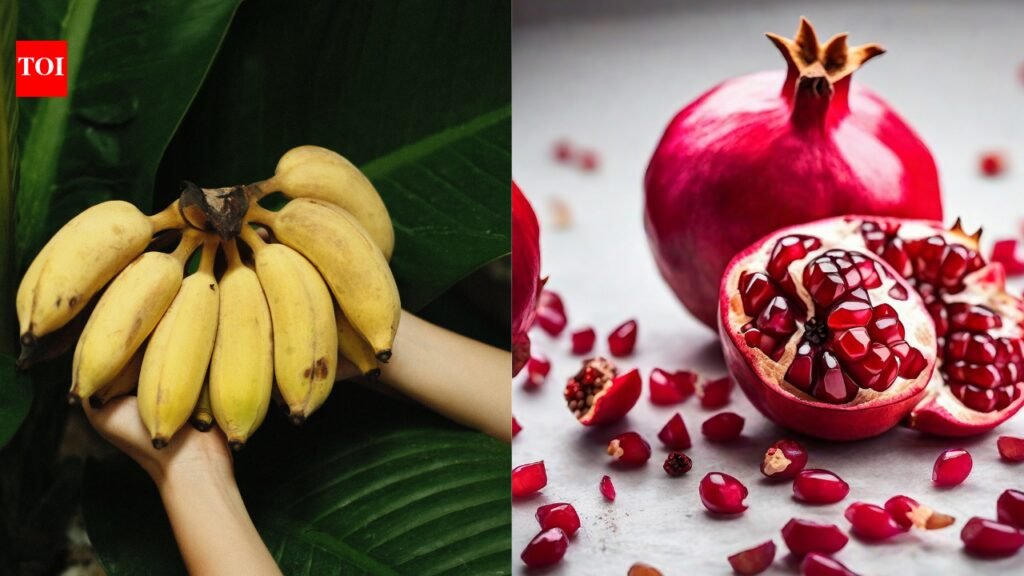
Bananas and pomegranates are both popular fruits, but their nutritional profiles are quite different. Bananas are best known for their potassium and vitamin B6 content, while pomegranates provide more folate, vitamin C, fibre and beneficial plant compounds. But when it comes to iron, which fruit actually has more? The difference may be smaller than you expect. Understanding how these fruits compare can help you choose based on your specific nutritional needs rather than assuming one is healthier overall. Here’s how bananas and pomegranates stack up, nutrient by nutrient.
Which fruit has more iron?
If iron is the main reason you are choosing between the two, the difference is actually quite small. Per 100 grams of edible fruit, a banana contains about 0.26 mg of iron, while pomegranate arils provide roughly 0.3 mg. That gives pomegranate a slight edge, although neither fruit is considered a particularly rich source of iron. This is important because eating pomegranate or bananas alone is unlikely to make a major difference to iron intake. Foods such as legumes, meat, seafood, fortified cereals, seeds and leafy green vegetables generally provide substantially more iron.
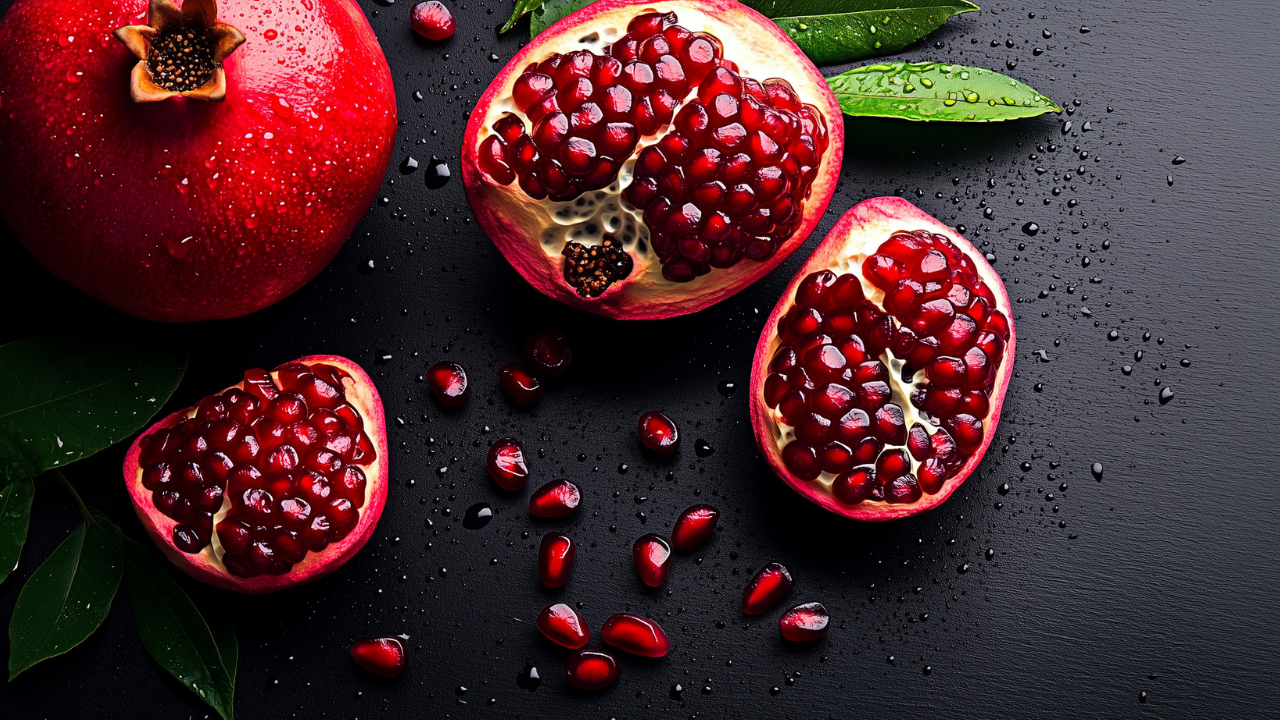
Pomegranate is sometimes promoted specifically for anaemia because of its iron content. However, the scientific evidence is more nuanced.A 2024 narrative review examined research into pomegranate juice and iron-deficiency anaemia and suggested that its bioactive compounds may potentially influence iron metabolism and absorption. The authors also stressed that more research is needed before pomegranate can be considered an established treatment for iron-deficiency anaemia.
Banana has the advantage when it comes to vitamin B6
This is where the banana pulls ahead. A 100-gram serving of banana provides approximately 0.37 mg of vitamin B6, compared with around 0.08 mg in pomegranate arils.
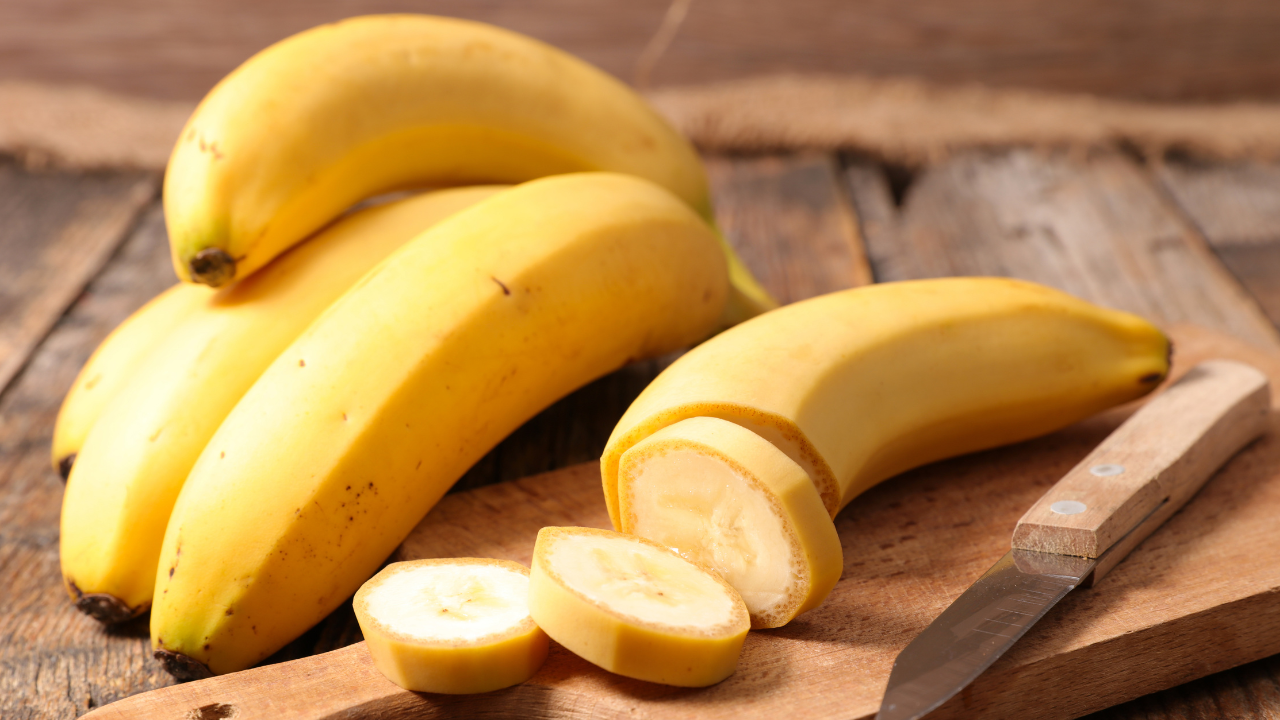
Vitamin B6 is involved in several important processes in the body, including protein metabolism and the production of neurotransmitters and haemoglobin. Bananas therefore make a useful everyday source of this vitamin, particularly when eaten as part of a varied diet.A 2023 review of banana nutrition also highlights the fruit’s contribution of vitamin B6, potassium and other micronutrients, although nutritional values can vary depending on variety and ripeness.
Pomegranate offers more folate and vitamin C
Pomegranate has an advantage in several other vitamins. Per 100 grams, pomegranate arils contain approximately 38 micrograms of folate, compared with about 20 micrograms in banana. Folate is particularly important for DNA synthesis and cell division.Pomegranate also contains slightly more vitamin C, with roughly 10 mg per 100 grams, compared with about 9 mg in banana. Neither fruit should be considered a major vitamin C source compared with foods such as guava, oranges, kiwi or bell peppers, but pomegranate still makes a useful contribution.
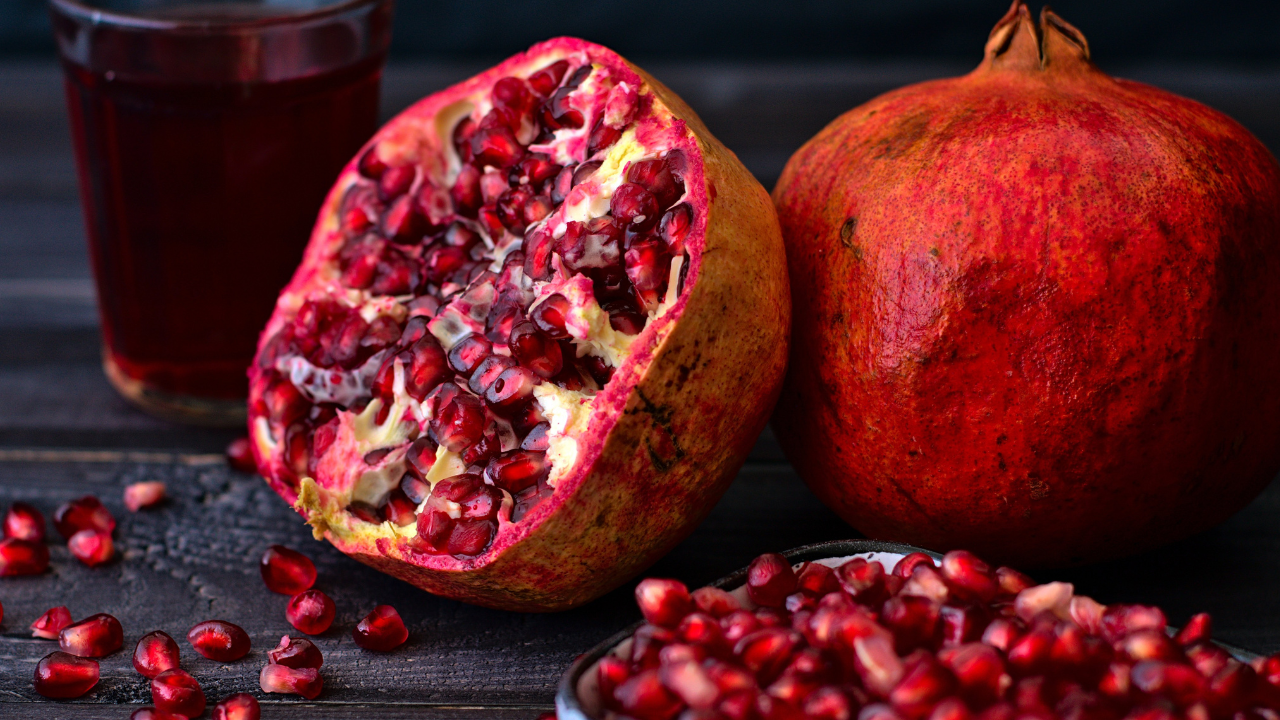
A recent review published in Nutritional Review describes pomegranate as a source of vitamin C, folate and potassium, alongside a range of bioactive compounds such as punicalagin, ellagic acid and anthocyanins.
The biggest difference is not actually iron
The nutritional story becomes more interesting when compounds beyond basic vitamins and minerals are considered.Pomegranate is particularly rich in polyphenols, plant compounds that have been widely studied for their antioxidant and other biological activities. A 2021 systematic review published in ScienceDirect examined 86 human studies involving pomegranate juice and extracts. It found that the most promising human evidence related to blood pressure, although the researchers noted that results across studies remained inconsistent and that stronger research is needed for many of the health claims associated with pomegranate.A 2024 review published in the National Library of Medicine’s PubMed database found that pomegranate may have antidepressant- and anxiety-reducing effects, although most of the evidence so far comes from animal studies. Researchers suggested that its polyphenols may influence serotonin, estrogen receptors and PPARγ pathways involved in mood and stress responses. The review also highlighted pomegranate’s antioxidant and anti-inflammatory properties, while noting that more randomised, placebo-controlled human studies are needed to establish its effects. However, this does not mean that eating pomegranate prevents or treats disease on its own.Bananas are a convenient source of potassium, vitamin B6 and carbohydrates, making them useful for everyday nutrition and energy. Their natural carbohydrates can provide a quick energy boost, while potassium supports normal muscle and nerve function. Vitamin B6 also contributes to energy metabolism and normal red blood cell formation.
Banana vs pomegranate: Nutrient comparison
Nutrient per 100 g
Per 100 g, bananas contain 0.26 mg of iron, 8.7 mg of vitamin C, 0.37 mg of vitamin B6, 20 µg of folate, 358 mg of potassium and 2.6 g of fibre.Pomegranate arils contain 0.30 mg of iron, 10.2 mg of vitamin C, 0.08 mg of vitamin B6, 38 µg of folate, 236 mg of potassium and 4 g of fibre.
Values can vary with variety, growing conditions and serving size; USDA FoodData Central provides food-composition data on a 100-gram edible-portion basis.
So, banana or pomegranate?
For iron, pomegranate has a slight advantage, but the difference is too small to make either fruit an important iron source. For vitamin B6 and potassium, banana comes ahead. For folate, vitamin C and polyphenols, pomegranate has more to offer.The simplest approach is not to treat the two as competing fruits. Bananas can provide potassium and vitamin B6 in an inexpensive, convenient package, while pomegranate adds fibre, folate, vitamin C and a distinctive range of polyphenols. And if the concern is iron deficiency, neither fruit should replace an iron-rich diet or medical treatment. For people with confirmed iron-deficiency anaemia, identifying the cause and getting adequate iron through appropriate dietary or medical treatment is much more important than choosing between these two fruits.