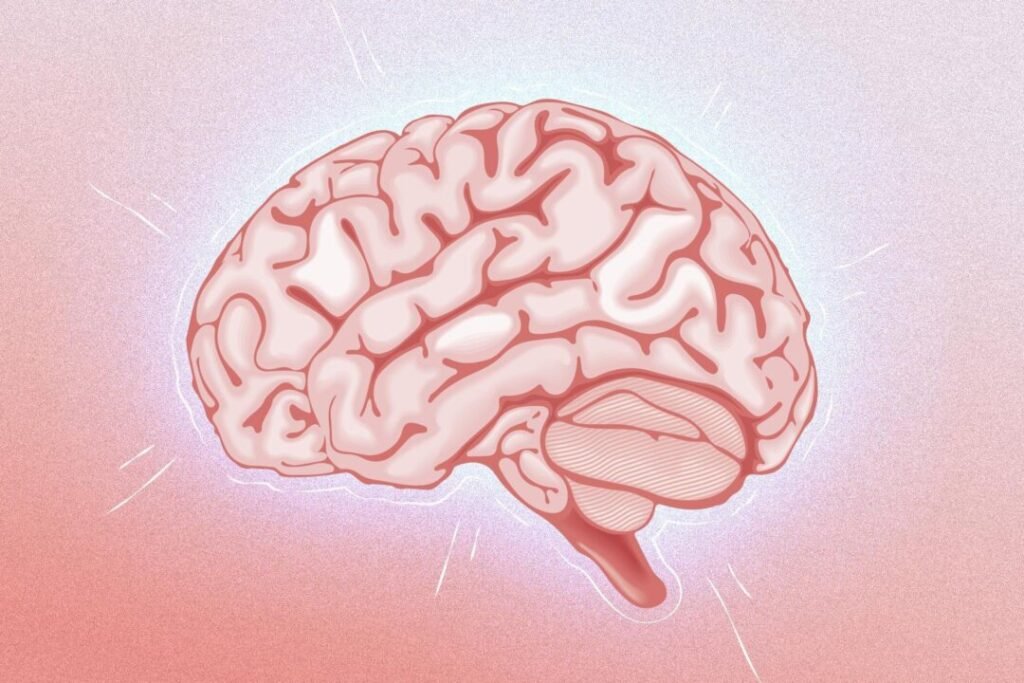
According to physician and researcher Dr. Howard Schubiner, the reason people can’t escape their pain through conventional means is often because there is an emotional rather than a physical cause behind it. Called neuroplastic pain, this phenomenon, and some tools to fix it, are found in Dr. Schubiner’s new book, “Unlearn Your Pain.”
Through specialized therapy (or sometimes even mere awareness), patients can alter the neural circuits responsible for their symptoms, which can include pain, but also anxiety, depression, and more.

Penguin Random House
American Essence: What’s the science to validate neuroplastic causes for symptoms?
AE: Of course, not all pain has a neuroplastic cause. The reason conventional methods of treatment exist is because much of the time, pain is clearly the result of injury or tissue damage. So how do you determine whether someone’s symptoms will benefit from neuroplastic treatment?
Related Stories


Dr. Schubiner: In neuroplastic conditions, there actually is no tissue damage, typically. When you have cancer, everyone knows you have tissue damage. It’s the same with autoimmune disease, a heart attack, appendicitis. But for things like headache, migraine, irritable bowel, fibromyalgia, chronic pelvic and back pain, anxiety, depression, and chronic fatigue, when people have those things, they may get a diagnosis, but there’s no actual tissue damage in the body that would be causing the symptoms. In that case, it’s pretty easy to diagnose it as a neuroplastic condition. Also, when your pain goes away when you’re on vacation, and it comes back when you come back to work, that’s a pretty clear sign that it’s not a structural injury.

Penguin Random House
AE: What does neuroplastic treatment look like?
Dr. Schubiner: One is called Pain Reprocessing Therapy (PRT), and the other is called Emotional Awareness and Expression Therapy (EAET). PRT involves changing your relationship to the sensations, and recognizing that the pain or the fatigue or the other symptoms are not actually due to tissue damage; they’re not actually dangerous to you, and that it’s your brain creating them. You can safely learn to tolerate the sensations and move through them and move forward with your life, which actually helps the brain to turn off those neural circuits. EAET is a method to help people identify and express, in safe and healthy ways, emotions that may have been held in or unprocessed, such as anger, guilt, or sadness.
When you take someone with chronic back pain for 25 years and they get better within two to three months after changing their view of what the condition is, it’s miraculous.
This interview has been edited for clarity and brevity.
This article was originally published in American Essence magazine.