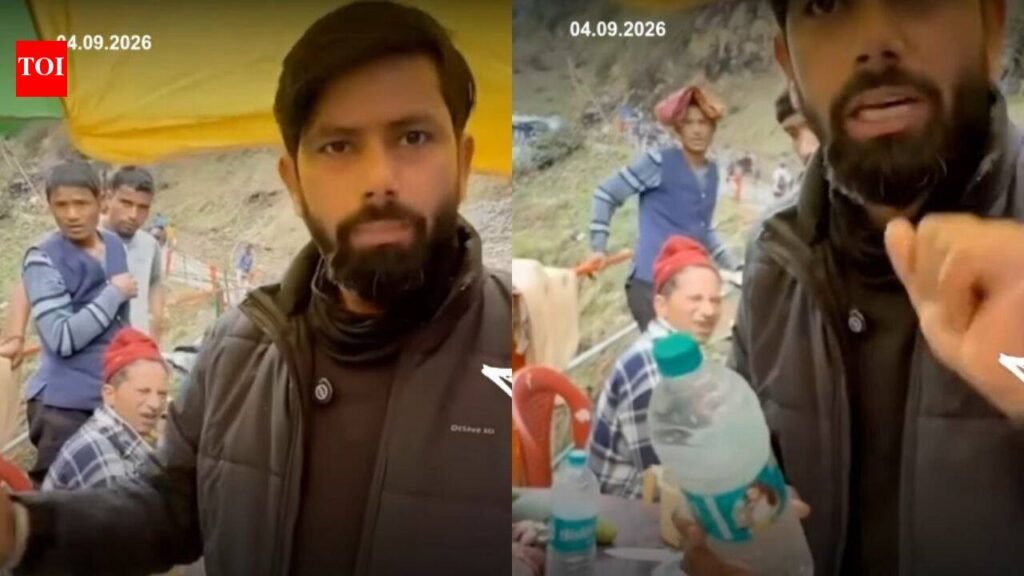
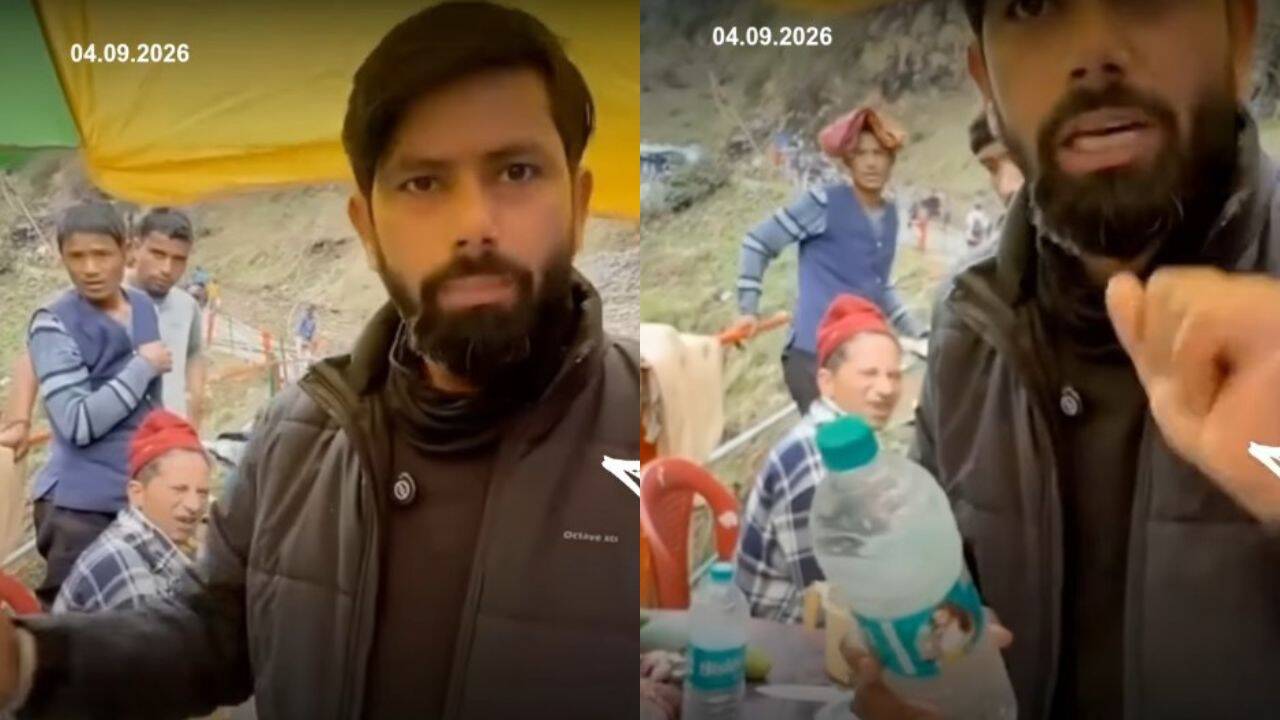
Imagine you are on a difficult trek, exhausted and in search of water. Your mouth is almost parched, the sun is sweltering, and then you see bottles of cold water with a mountain seller. You walk to them, pick up a bottle and pay the usual 20 bucks only to be denied because the seller asks you to pay,“₹70 for a bottle of chilled water.”The reaction is almost inevitable: How can a bottle that costs around ₹20 elsewhere be ₹70 here? They could have charged 50 bucks but this is insane! The first thought of course.A viral social media post has sparked the same debate. A hill road-side shopkeeper explaining that prices in remote mountain areas cannot always be compared with those in cities or towns. According to the explanation shared online, getting everyday products to high-altitude settlements can involve difficult roads, long journeys, manual labour and additional handling costs.In the remote Himalayan regions of India, the journey of a product can sometimes be almost as complicated as the journey of the traveller buying it. Because it is the journey of the cold bottles too.In a city, a case of bottled water can be unloaded directly from a truck outside a shop. In a remote mountain destination, the final leg may look completely different.The videoThe viral video, reportedly filmed on September 4, 2026, captures an exchange between a traveller heading towards Kedarnath and a roadside shopkeeper selling bottled water along the mountain route.The interaction begins innocently. The traveller stops at the roadside shop and asks for a bottle of water, saying, “20 ki ek pani ki bottle dedo”—essentially asking the seller to give him a ₹20 bottle of water.“20 ki nahi, 70 ki hai,” he tells the traveller, making it clear that the bottle is being sold for ₹70 at that location.The traveller is visibly unhappy with the price and confronts the shopkeeper, accusing him of “looting” tourists.The shopkeeper attempts to explain why the price is higher. He tells the traveller that the location is in a remote mountain region and that bringing supplies such as bottled water to these areas is not comparable to transporting goods to a city.According to the shopkeeper, the further one travels towards the higher reaches of the Kedarnath route, the more expensive the same bottle can become. He tells the traveller that if he goes further up, he could be asked to pay ₹100 for the same bottle.The shopkeeper then makes a broader observation and says that visitors arriving from cities such as Delhi, Mumbai and Kolkata often look at a ₹20 bottle and assume that the local seller is exploiting them.But, he argues, travellers rarely see the work involved in getting that bottle there.In the mountains, the supply chain can become considerably more complicated. Difficult roads, steep terrain, limited vehicle access, manual labour and the cost of carrying goods over difficult stretches can all add to the expense.Kedarnath provides a striking recent example
Kedarnath (Instagram)
A viral video from April 2026 showed a shopkeeper explaining why a one-litre bottle of water was being sold for around ₹80–₹100. He said shopkeepers had to pay about ₹1,500 to carry a load of three cartons uphill, while there were no conventional delivery vehicles reaching the area.Another video associated with the same discussion showed a porter carrying a large load of bottled water and beverages uphill. According to the report, the load weighed roughly 40 kg and the worker said he earned ₹2,500 for carrying it to Kedarnath.Suddenly, the ₹80 bottle begins to tell a very different story.There is another problem: seasonality.A shopkeeper operating for only a few months cannot spread fixed expenses across the entire year in the same way that a supermarket in a major city can.The other side of the argument: MRP still mattersThere is, however, an important distinction between higher operating costs and simply charging whatever price a seller wants.So, is ₹70 justified? This is where the viral debate becomes interesting.So, the next time an ordinary bottle of water costs more than expected in the mountains, it may be worth asking: What did it take to bring it here?


![Mirzapur: The Movie Full Movie Collection: ‘Mirzapur: The Movie’ box office collection Day 2 [LIVE]: Pankaj Tripathi, Ravi Kishan, and Ali Fazal starrer is set to cross Rs 45 crore on second day | Hindi Movie News](https://amanshantinews.com/wp-content/uploads/2026/09/1788606681_photo-150x150.jpg)