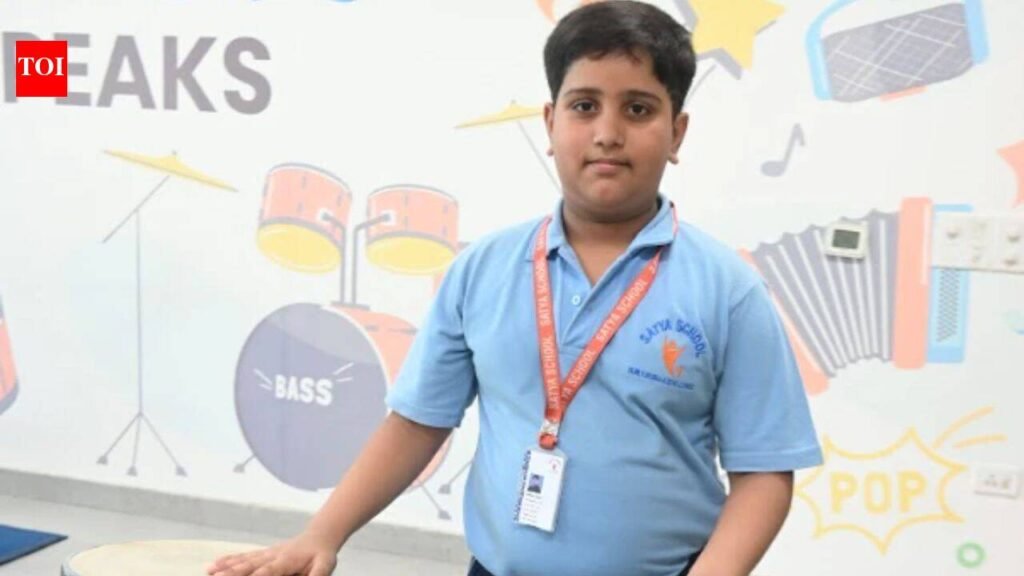
For 11-year-old Atharv Sood, the night sky was once simply a source of wonder. He would spend time observing the Moon, Jupiter, stars, and distant galaxies, trying to understand what existed beyond Earth. Today, that curiosity has taken him a step closer to real astronomical research. According to an article published by India Today, Atharv recently participated in Phase I of the All-India Asteroid Search Campaign (AIASC) 2026 as part of Satya School’s Young Scientist Program and was credited with three preliminary asteroid detections. His work also earned recognition from the International Astronomical Search Collaboration (IASC), where he was listed as a member of Team SPACE Scanners 1.For a child his age, the experience was not just about earning a certificate. It gave Atharv the opportunity to work with astronomical data and experience how scientists search for objects moving through space.
28 Jul 2026 | 16:22
How do you teach children about money and financial responsibility?
It started with a telescope at home
Atharv’s interest in astronomy had already been growing when his parents gifted him a telescope on his last birthday. The instrument gave him an opportunity to move from reading about space to actually observing celestial objects himself. “I have enjoyed observing the Moon, Jupiter, and other objects. Seeing them with my own eyes made space feel much closer and more real to me,” Atharv said. His parents noticed that the telescope did not become just another toy that lost its appeal after a few weeks. Instead, it encouraged him to ask more questions, read about astronomy, and return to the night sky with even greater curiosity. They said Atharv’s interest in space had developed gradually, with his questions often focusing on planets, stars, and the enormous scale of the universe.
From classroom learning to an actual asteroid search
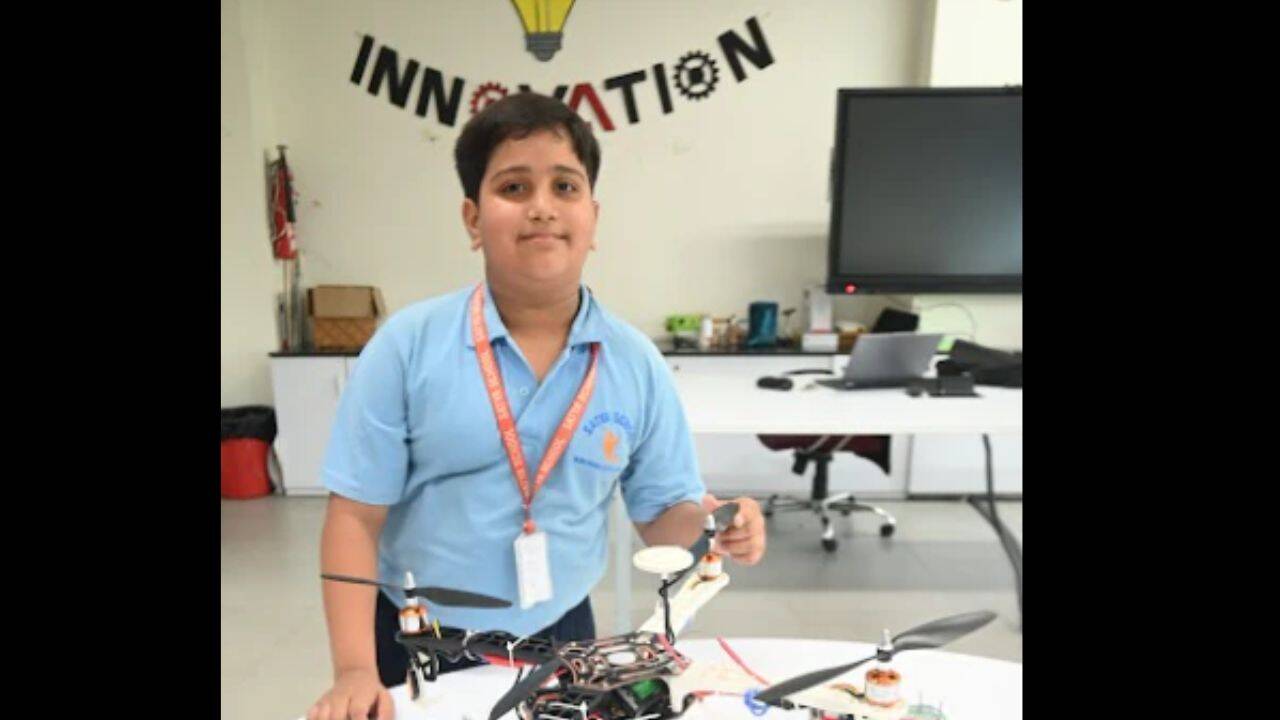
At Satya School, students interested in astronomy and space science can explore the subject through the school’s Space Lab and Young Scientist Programme. This was where Atharv got the opportunity to participate in the asteroid search campaign. Before beginning the campaign, students received training from SPACE India in collaboration with IASC. They were taught how to use Astrometrica, software that helps researchers analyse astronomical images and identify objects that appear to move across a sequence of frames. The exercise required much more than simply looking at pictures of the sky.Students had to carefully compare astronomical images taken at different times. Stars generally remained in the same position, while an object moving through space could appear to shift slightly between frames. That tiny movement was what Atharv was looking for.
The moment he thought he had found something
During the analysis, Atharv noticed an object that appeared to move between images. “I was carefully comparing the astronomical images when I noticed something that appeared to be moving,” he recalled. His first reaction was excitement, but he also understood that the observation needed to be checked carefully. He went through the images again before thinking, “Maybe I have found something!”That patience and attention to detail became an important part of the experience. His teacher said Atharv was not someone who was satisfied with simply finding a possible candidate. He would revisit images, examine potential objects, and make sure he was confident before moving ahead. His three preliminary detections eventually became a significant milestone in his young scientific journey.
For Atharv, curiosity matters more than recognition
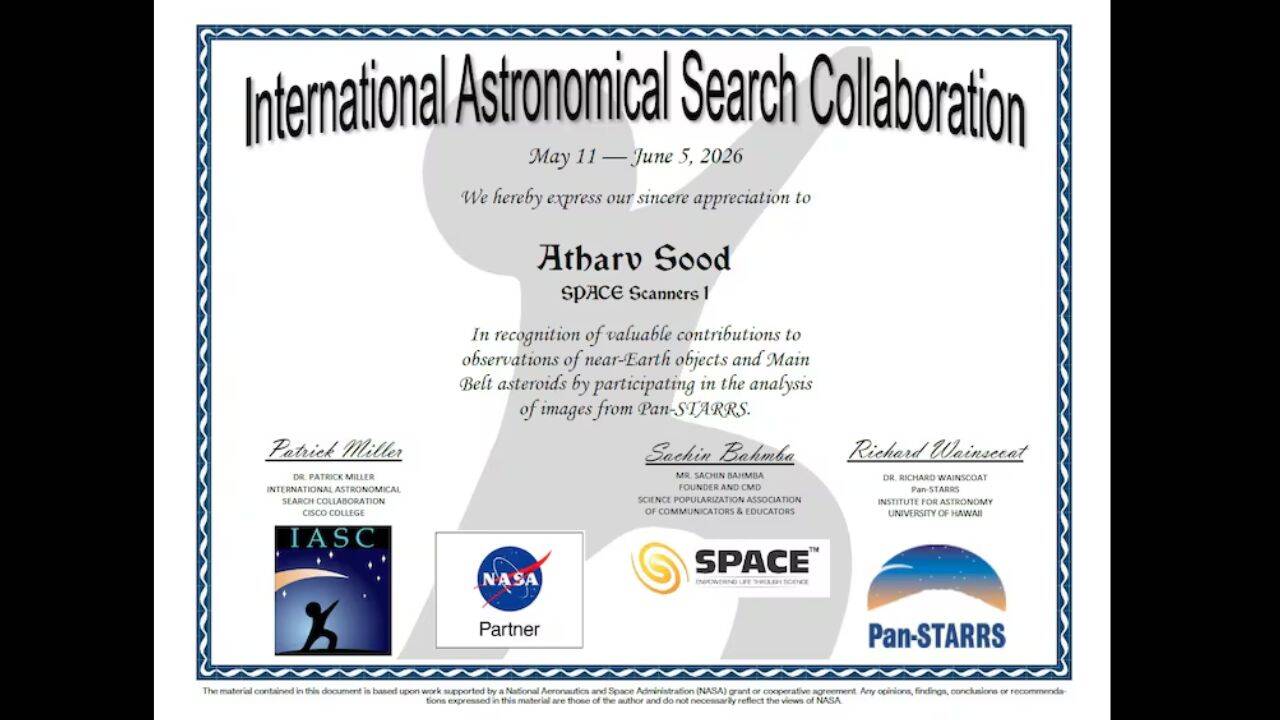
Although being recognised by IASC was rewarding, Atharv says the experience gave him something more valuable: a stronger desire to learn. “The recognition was rewarding, but what stayed with me the most was the sense of curiosity it sparked, encouraging me to learn more about astronomy,” he said. His fascination extends beyond asteroid searches. He is particularly interested in black holes, the evolution of galaxies, and the possibility of life beyond Earth.Interestingly, some of his curiosity about space has also been influenced by the fictional worlds of the Marvel universe. The galaxies, black holes, and other concepts shown in those stories made him wonder about what might actually exist beyond what humans currently know.
His parents are letting his interests lead the way
Atharv’s parents are encouraging his curiosity without deciding his career for him at such a young age. “We don’t have a fixed career path in mind for him. We’re excited to see where his curiosity and interests lead him in the years ahead,” they said. His teacher has also observed that Atharv’s curiosity goes beyond memorising facts. He asks questions about how celestial objects move, how astronomers map the sky and how scientists study distant phenomena.An upcoming visit to ISRO, planned through Satya School, is another experience Atharv is looking forward to. He hopes to see the facilities, learn more about space technology, and understand how scientists work behind the scenes.
A young scientist with a big question
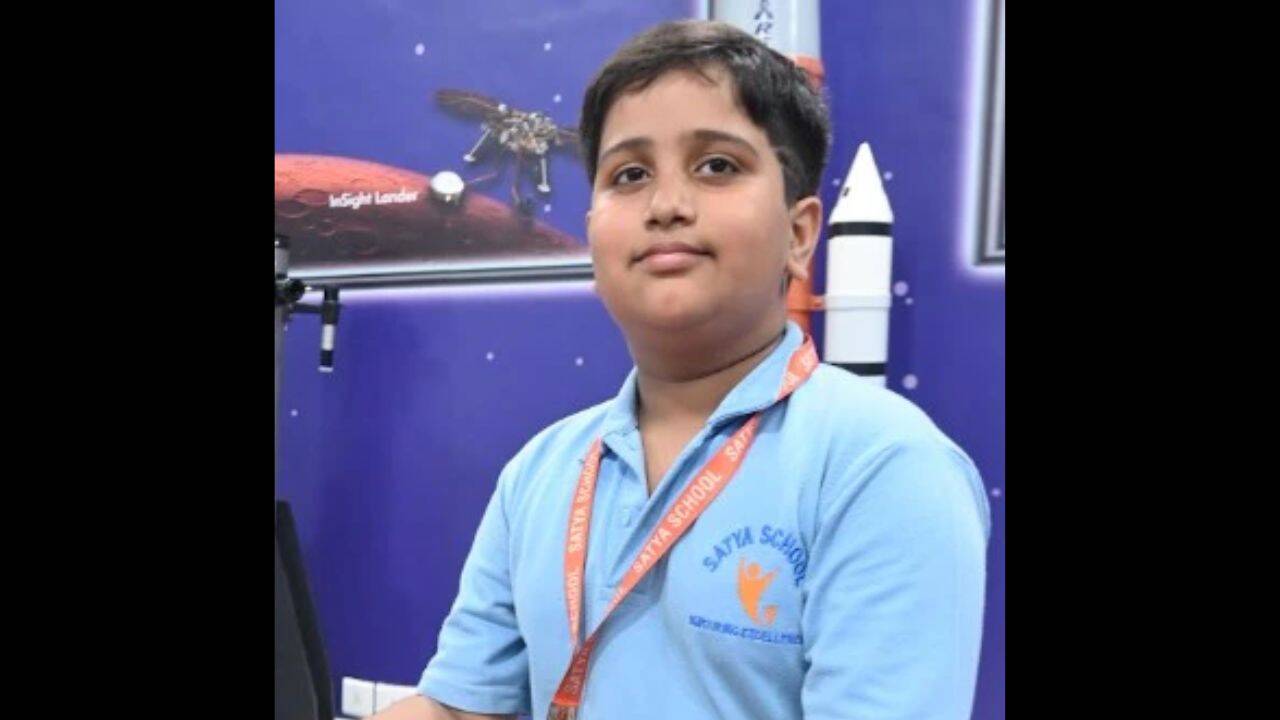
For now, Atharv is still figuring out where his interests will eventually take him. He says he enjoys science, technology, and space and would like to work with telescopes or explore space someday, possibly at organisations such as ISRO or NASA. But perhaps the most important outcome of his asteroid-search experience is not the three preliminary detections or the certificate that now sits among his trophies. It is the habit he has developed: look closely, ask questions, check again, and stay curious.As Atharv puts it, the experience has encouraged him to keep learning and exploring what lies beyond our planet. At just 11, he may not know exactly where that curiosity will lead, but he has already taken his first steps toward finding out.