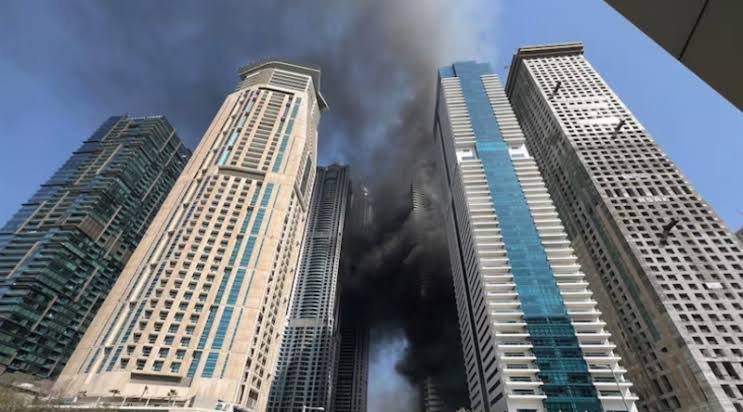
The glittering skyline of Dubai Marina represents architectural ambition and modern luxury, but recent fire incidents have raised urgent questions about high-rise safety. When flames erupted in this iconic district, triggering mass evacuations, the world watched closely. How did authorities manage the crisis? What lessons can be learned about urban fire safety? This comprehensive analysis examines the recent Dubai Marina fire, evacuation procedures, and the broader context of high-rise safety in one of the world’s most vertical cities.
Understanding the Dubai Marina Fire Incident
What Happened at Dubai Marina?
On a recent morning, Dubai Marina became the scene of another high-rise fire that sent thick black smoke billowing across the waterfront district. The blaze broke out at an under-construction tower near Al Habtoor Grand in Dubai Marina, prompting immediate emergency response from Dubai Civil Defense teams. Firefighting crews received the report at 7:06 AM local time and rushed to the location, quickly working to bring what authorities described as a “medium-scale” blaze under control.
The Rapid Emergency Response
Dubai’s Civil Defense demonstrated remarkable efficiency in containing the Dubai Marina fire. Firefighting teams arrived promptly and implemented established protocols for high-rise incidents. The blaze was contained relatively quickly, with authorities confirming that no injuries were reported. The project developer, Khalaf Ahmad Al Habtoor, announced that the site would be handed over to relevant authorities once cooling operations were fully completed.
The response to the Dubai Marina fire followed standard procedures that have been refined through years of experience with high-rise incidents. Firefighters prioritized containment while ensuring that surrounding buildings and residents remained safe from potential falling debris or spreading flames.
The History of Fires in Dubai Marina
The Infamous Torch Tower Fires
Dubai Marina has witnessed several significant fire incidents over the past decade, most notably involving the iconic Torch Tower (also known as Marina Torch). This 79-story residential building, standing 336 meters tall, gained notoriety for experiencing major fires in both 2015 and 2017.
The 2015 Torch Tower Fire:
In February 2015, the Torch Tower caught fire around 2 AM, with flames originating from approximately the 50th floor. The blaze spread rapidly due to windy conditions, affecting around 15 of the building’s 79 floors. Remarkably, despite the dramatic nature of the fire, there were no fatalities and only four minor injuries reported. The fire was extinguished within three hours, with 676 residents evacuated safely.
The 2017 Torch Tower Fire:
August 2017 saw the Torch Tower ablaze once again. The fire started on the 65th floor and spread primarily through the building’s exterior cladding. Local authorities confirmed that the building’s external insulation panels contributed to the rapid spread of flames. Thousands of residents were evacuated, but once again, no casualties were reported.
Other Notable Dubai Marina Fires
The 2026 construction site fire at a tower near Al Habtoor Grand was caused by the ignition of stored materials at the site, according to the project developer. This incident highlighted that fire risks in Dubai Marina extend beyond completed residential towers to include active construction projects. The fire was of “medium scale” and was quickly brought under control without injuries.
Why Dubai’s High-Rises Survive Fires with Zero Casualties
Dubai has experienced numerous high-rise fires, yet maintains an astonishing record of zero fatalities in almost all cases. This remarkable safety record stems from comprehensive fire safety measures, advanced building codes, and effective emergency protocols.
1. Strict Building Regulations
Dubai’s government has implemented rigorous fire safety requirements for high-rise buildings. These include:
-
Ban on Gas Usage: High-rise apartments are required to use only electric stoves and appliances, eliminating the risk of gas-related fires.
-
Mandatory Safety Equipment: Every household must be equipped with fire extinguishers and protective masks.
-
Smoke Detection Systems: Buildings feature comprehensive smoke detectors in every room, connected to building management systems.
2. Advanced Fireproofing and Cladding Reforms
Following multiple fire incidents, Dubai authorities recognized the danger posed by flammable aluminum composite material (ACM) cladding. The Dubai Land Department mandated the replacement of non-fire-resistant building facades across the city.
The Cladding Problem:
During the construction boom starting in 2002, Dubai’s buildings widely used ACM cladding due to its low cost and aesthetic appeal. However, this material proved highly flammable, creating a “chimney effect” that allowed fires to spread rapidly up building exteriors.
Regulatory Response:
The UAE Fire Code was updated in 2018 to specifically address cladding risks, requiring intermittent fire barriers to limit fire spread. Building owners were strongly encouraged to replace non-compliant facades with fire-proven materials, reducing both fire risks and insurance costs.
3. Swift Fire Department Response
Dubai Civil Defense maintains impressive response times, typically arriving at fire scenes within 9 minutes of receiving reports. In high-rise fires, firefighters don’t attempt to fight the blaze from the ground—instead, they enter the building and use internal fire suppression systems.
This internal approach is crucial for tower fires, as ground-based water cannons often cannot reach upper floors effectively. Dubai’s firefighters are trained specifically for these challenges, and over 100 personnel were deployed to the 2015 Torch Tower fire alone.
4. Efficient Evacuation Procedures
When the Dubai Marina fire triggered evacuations, building management and security teams implemented well-rehearsed procedures:
-
Immediate activation of fire alarms and public address systems
-
Systematic floor-by-floor evacuation guided by trained personnel
-
Designated assembly points away from affected buildings
-
Prevention of spectators gathering near the scene to avoid falling debris
5. High-Quality Fire Safety Hardware
Dubai’s modern high-rises are equipped with robust fire safety features:
-
Fire-Resistant Stairwells: Fire doors are required to withstand flames for at least two hours, providing safe evacuation routes.
-
Sprinkler Systems: Comprehensive automatic sprinkler coverage throughout buildings.
-
Regular Maintenance: Building management conducts scheduled inspections of all safety equipment, including smoke detectors and fire suppression systems.
-
Emergency Water Supply: Internal fire water lines ensure firefighters can access water on upper floors.
6. Public Awareness and Preparedness
Dubai residents are generally well-informed about fire safety protocols:
-
Regular fire drills are conducted in residential and commercial buildings.
-
Residents are encouraged to have emergency preparedness kits ready.
-
Clear guidelines are provided for evacuation procedures.
-
Building security personnel are trained to assist with evacuation rather than attempting to fight fires themselves.
The Human Impact: Evacuation Experiences
Living Through a Dubai Marina Fire
Residents who experienced the Torch Tower fires described a mixture of fear and orderly evacuation. In the 2015 incident, one resident reported that building management advised against leaving apartments immediately because falling debris posed a significant danger. People were directed to remain in lobby areas until it was safe to exit.
The evacuation of 676 households during the 2015 fire was accomplished without panic, demonstrating the effectiveness of Dubai’s safety protocols. Many residents were observed carrying pre-packed emergency bags, reflecting good disaster preparedness.
Impact on Tourism and Travel
While the Dubai Marina fire was contained with no casualties, broader regional instability has affected travel to Dubai. In March 2026, regional conflicts led to disruptions at Dubai International Airport and impacts on surrounding areas, highlighting the interconnected nature of safety in the region. However, these incidents were separate from the construction site fire near Al Habtoor Grand in May 2026.
Lessons for Global Urban Safety
Dubai’s experience with high-rise fires offers important lessons for cities worldwide:
1. Building Codes Must Evolve
The shift from highly flammable cladding to fire-resistant materials represents a critical regulatory response. Dubai’s experience shows that building codes must be updated when new risks are identified, even for existing structures.
2. Regular Inspections Save Lives
Routine maintenance of fire safety equipment, combined with proactive replacement of hazardous materials, is essential. Dubai’s practice of pre-scheduled safety equipment checks ensures that systems work when needed most.
3. Public-Private Collaboration
Dubai’s approach involves collaboration between government agencies (Dubai Civil Defense), property developers, and building management companies to maintain safety standards.
4. Prepare for Worst-Case Scenarios
The fact that Dubai’s high-rises have maintained such low casualty rates is a testament to planning, preparation, and public awareness. Cities with growing skylines should study Dubai’s comprehensive approach to high-rise safety.
What to Do If You Are in a High-Rise Fire
For residents or visitors to Dubai Marina or any high-rise building, understanding evacuation procedures is critical:
-
Stay Calm and Listen to Building Alerts: Follow instructions from building management and emergency services.
-
Know Your Exits: Familiarize yourself with emergency stairwells and assembly points in advance.
-
Don’t Use Elevators: Always use stairs during fire emergencies.
-
Be Prepared: Keep a basic emergency kit with essentials and important documents ready.
-
Follow Professional Guidance: Dubai’s emergency services are trained to handle high-rise incidents effectively—trust their directions.
The Future of Fire Safety in Dubai Marina
Dubai continues to enhance its fire safety standards. The Dubai Civil Defense has been proactive in implementing new technologies and updating fire codes to address emerging risks. Moving forward, the city is likely to adopt:
-
Smart AI-powered fire detection systems
-
IoT-based real-time monitoring for predictive maintenance of safety equipment
-
Enhanced enforcement of fire-safety regulations across all buildings
Conclusion
The Dubai Marina fire and subsequent evacuation serve as a powerful reminder of the importance of comprehensive fire safety in high-rise urban environments. Dubai’s experience—from the Torch Tower fires to the recent construction site blaze—demonstrates that with proper preparation, advanced building codes, and professional emergency response, the risks of high-rise fires can be managed effectively.
While the Dubai Marina fire caused evacuations and disruption, the remarkable absence of casualties speaks to the city’s commitment to safety. As urban centers worldwide continue to build skyward, Dubai’s lessons in high-rise safety offer a blueprint for protecting residents and visitors in the world’s most vertical cities.
The next time you look up at a skyscraper, remember that behind its gleaming facade lies a complex ecosystem of safety systems, regulations, and trained professionals working to ensure that even in emergencies, everyone gets home safely. And in Dubai Marina, that commitment to safety remains unshakeable, even when flames threaten to reach the sky.