


Stellantis, the car giant behind brands including Vauxhall, Fiat, Jeep and Peugeot, is quietly bringing diesel cars back to Europe as it steps away from its previous all-out push towards electric vehicles.
The world’s fourth-largest carmaker has started reintroducing diesel versions of at least seven cars and vans, according to dealer websites and company statements seen by Reuters.
The move began in late 2025 and includes diesel options for models such as the Peugeot 308 hatchback and the premium DS No. 4.
Confirming the change in direction, Stellantis told Reuters: “We have decided to keep diesel engines in our product portfolio and – in some cases – to increase our powertrain offer. At Stellantis, we want to generate growth; that’s why we are focused on customer demand.”
The shift comes as electric car sales have failed to live up to expectations across several major markets throughout Europe and the rest of the world
Across Europe, Governments have begun softening emissions rules, allowing petrol and diesel cars to remain on sale for longer than originally planned.
In the US, Stellantis’s biggest market, the political landscape has also changed. Under President Donald Trump, the administration has rolled back key environmental measures, including revoking a scientific finding that greenhouse gas emissions endanger human health. That decision effectively weakens vehicle tailpipe emissions standards.
Stellantis had previously pledged that fully electric cars would make up all of its European sales and half of its US sales by 2030. However, customer demand has fallen well short of those targets.

Stellantis said it plans to bring back more diesel engines to help ‘generate growth’
|
GETTYDiesel engines now offer the firm a potential advantage over fast-growing Chinese rivals, many of which focus heavily on electric and plug-in hybrid cars.
Diesel vehicles are typically cheaper than fully electric models, a key factor at a time when many buyers are feeling financial pressure and carmakers are struggling with rising costs.
Ten years ago, diesel cars made up around half of all new vehicle sales in Europe. But the 2015 “Dieselgate” scandal, when major manufacturers were caught cheating emissions tests, triggered a sharp and lasting decline.
By 2025, diesel’s share of new car sales in Europe had dropped to just 7.7 per cent, according to figures from industry body European Automobile Manufacturers Association. In contrast, fully electric vehicles accounted for 19.5 per cent of the market.
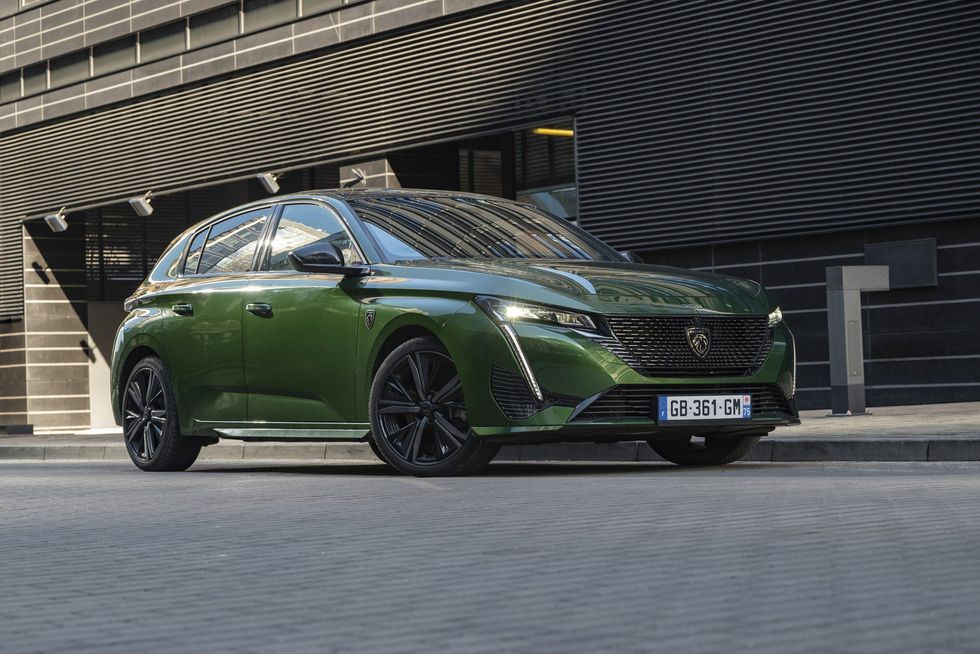
Last year, Stellantis brought back the Peugeot 308 hatchback featuring a diesel engine
|
GETTY
Many manufacturers have abandoned diesel altogether, prompted by environmental targets such as the Zero Emission Vehicle mandate in the UK. Stellantis itself now offers far fewer diesel models than it did five years ago.
However, the company is now reversing course on several fronts. In Europe, where Stellantis sales fell by 3.9 per cent in 2025 after dropping 7.3 per cent the year before, diesel versions of the Opel Astra, Opel Combo van, the seven-seat Peugeot Rifter and the Citroën Berlingo passenger van are returning to showrooms.
The company also confirmed it will continue producing diesel variants of models, including the DS7 SUV, as well as Alfa Romeo‘s Tonale and Stelvio SUVs and the Giulia saloon. It said this decision reflects “sustained customer demand”.
In the UK, the number of new diesel models on sale has fallen sharply from 167 in 2020 to just 57 last year, according to data from CarGurus.
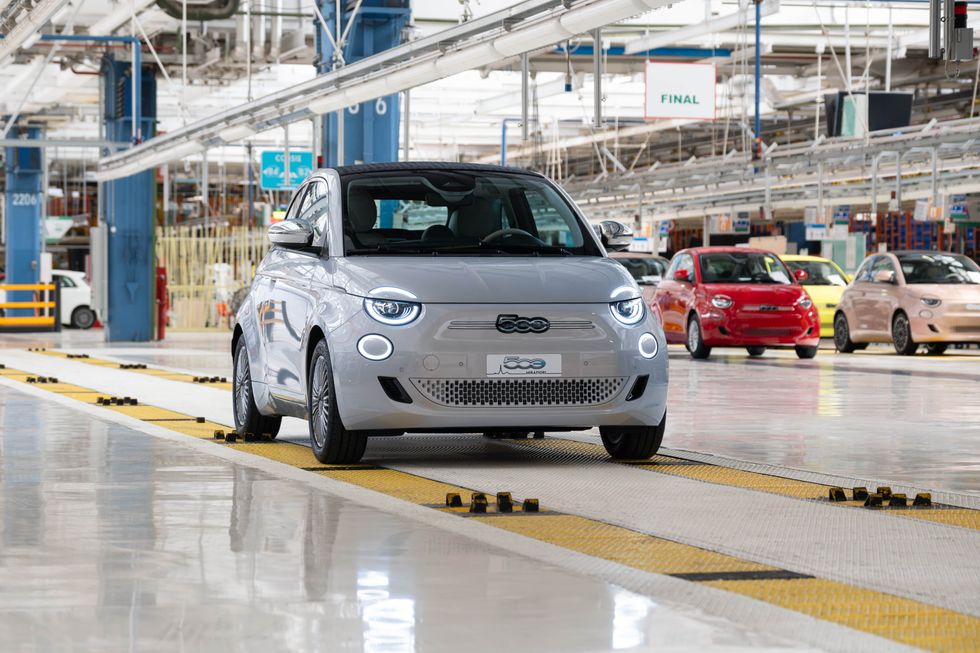
Stellantis has seen electric car sales slide in the past few years
|
STELLANTISStellantis brands in the UK now offer only four diesel options, down from 26 five years ago. Chris Knapman, UK editorial director at CarGurus, said the company appears to be “bucking the trend“ on diesel.
He said the fuel still makes sense for drivers covering long distances or those who need extra pulling power for towing.
“Chinese car brands are coming in with lots of new electric and plug-in hybrid cars,” Mr Knapman said.
“If you’re a European brand looking to differentiate yourself, diesel is an area where you could have a competitive advantage over those newer brands.”
The diesel comeback follows a difficult period for Stellantis. Last week, the firm announced €22.2billion in charges as it scales back parts of its electric vehicle strategy.