
Next Friday something in the region of 1,300 performers from 27 nations will bring months of rehearsals to a natural end point when they appear at the famous San Siro for the opening ceremony of the 2026 Winter Olympics.
Mariah Carey and Andrea Bocelli will take top billing although Milan itself will share the spotlight with delegations parading in three other Games ‘clusters’ – Cortina d’Ampezzo, Valtellina and Val di Fiemme – being used to host this year.
As with Paris two summers ago, sustainability is central to all this. Nineteen of the 25 venues pre-existed, and they are spread out across 22,000 square kilometres of northern Italy for what will be the most geographically spread Games ever held.
The problem is the logistical challenge this imposes. Not least for Team Ireland.
Only four athletes will represent this country at Milano-Cortina and there is no more fat on the bones of the team supporting them and headed by Nancy Chillingworth, chef de mission, and Martin Burke, the Olympic Federation of Ireland’s (OFI) sporting director.
Those two apart, they will have a team physio in Ciara McCallion and a communications lead in Heather Boyle while each athlete qualified is entitled to one support staff. It’s a skeleton crew in a corner of the sports world where the technical considerations and paraphernalia are endless.
“They travel like Formula 1 teams,” Chillingworth laughs.
The OFI’s chief medical officer, Dr Frank O’Leary, will monitor everything remotely while a collaboration with Denmark and Iceland will see physio services shared cross the various villages. Crucial given the Irish athletes are in four separate villages.
Now think of this. The drive from Milan to Cortina is over 400km. The journey from Cortina in the east to Livigno in the west is 150km or so less but actually takes just as long as it snakes through a region dominated by the Alps.
Olympics always present conundrums when it comes to the daily grind of simply getting from A to B. Beijing had two villages and the back end of a global pandemic to complicate things in 2022, but this is clearly no picnic either.
“With this one it is just the multiple locations with very small teams and then the terrain,” says Chillingworth. “On a map it looks nice and flat and then you realise it is a huge drive across mountain passes to get to and from certain venues. It’s a different kettle of fish.”
Ireland’s quartet got a few days together in the team’s central base of Belzano this week where they gave interviews, collected their mountains of Olympic gear and had themselves snapped in a variety of cool locations.
Already gone their separate ways ahead of the first events this day next week, they will keep in touch, if at all, for the next three weeks by a group chat. Add the lack of numbers involved and fostering a team culture can’t be easy.
The OFI brought a half-dozen winter athletes to Dublin for a bonding day back in May but only one of them ended up making the Games. Those that did qualify spent their formative years in Glenageary, Norway, Canada and the US. It’s a disparate bunch.
“It’s definitely a challenge but when you have a lot of athletes competing and living overseas they have a real affinity for their Irishness,” says Chillingworth. “A lot of them have chosen to compete for Ireland and that brings with it it’s own unique culture almost.
“It’s quite easy to build a sense of team around that.”
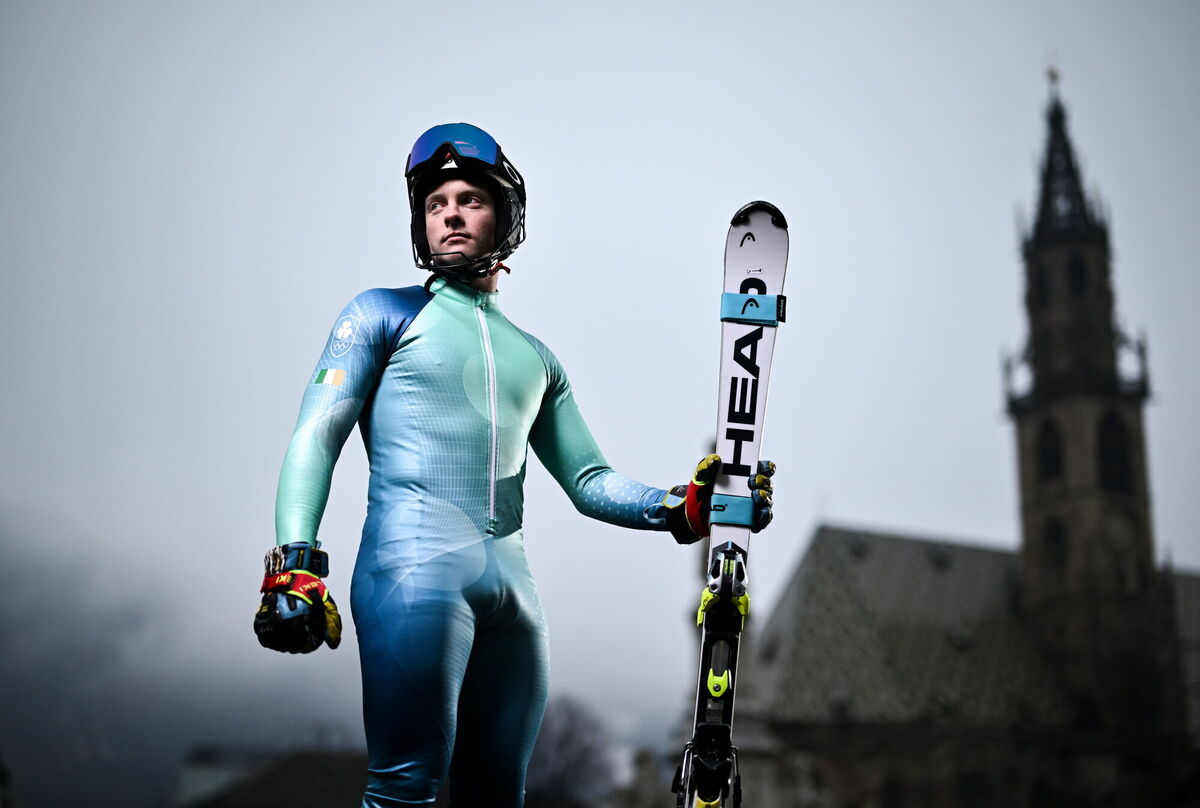
Three of them are first-timers.
Cormac Comerford, who once played football as a kid at Cuala with Con O’Callaghan, has spent 21 years trying to make the jump from Kilternan’s dry slopes to this rarified level and competes in all four Alpine ski events.
Annabelle Zubray is a dozen years younger at just 17. Another Alpine skier but US-born and with a grandmother from Moate, she attends the same ski club that produced Lindsey Vonn and competes in grand slalom and slalom.
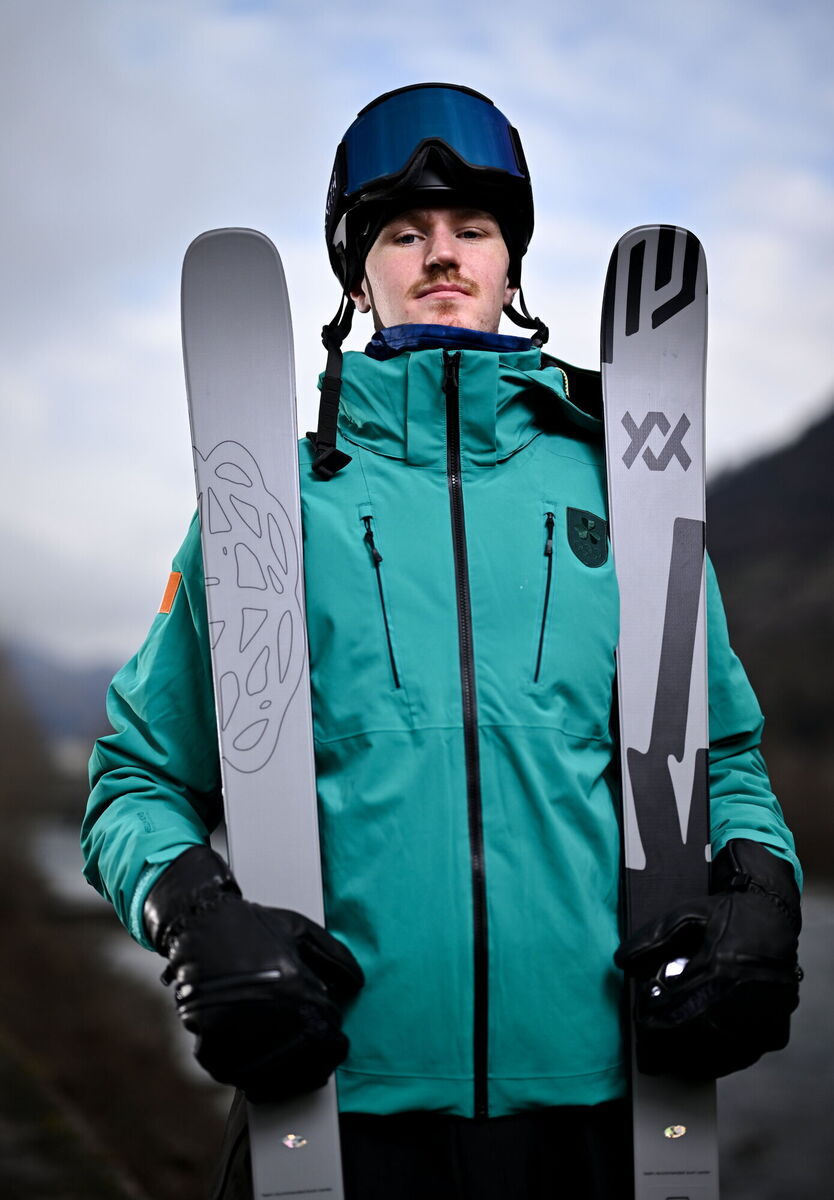
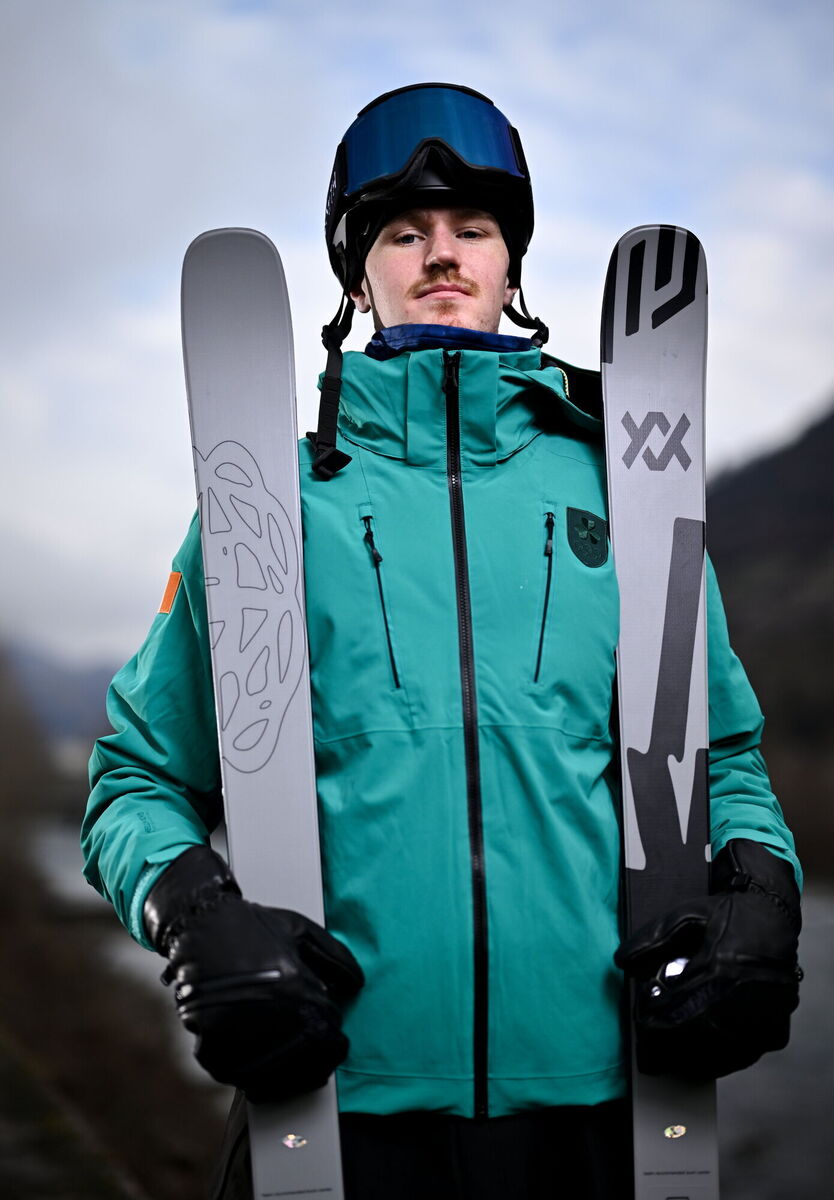
Ben Lynch, born in Dublin but in Vancounver since the age of three when his family emigrated from Ireland, will go in the freestyle skiing halfpipe. He feels a top 12, or even a top ten, place is within his wheelhouse.
The fourth is Thomas Westgard, born and bred in Norway and with a mother from Galway where he spent plenty of his childhood. This is his third Games. He finished 12th in the 15km cross country in Beijing despite a build-up spoiled by covid.
Chillingworth has worked at both summer and winter Games and has already stressed the need for the wider public to ‘reframe’ expectations when it comes to those representing their country at the greatest shows on earth.
For some athletes, success is that top 10, or 20, or making a final. For others it would be a PB regardless of where that might leave them in the finishing line.
“We need to understand what each athlete’s [idea of success] is because the worst thing is for a person to come through a mixed zone having done what they felt was fantastically well and we greet them with the wrong face, essentially.”
For the Irish sporting public, the Winter Games are never less than a steep learning curve.