Russian Deputy Finance Minister Alexey Sazanov said on Monday that the country is preparing changes to its tax code to help businesses recoup the costs of defending facilities against Ukrainian drone attacks and repairing damage.
Sazanov told reporters at the Moscow Financial Forum that the Finance Ministry was working with industry representatives on proposals that he expected to submit this fall. The changes would affect a broad range of industries, he said, without specifying which expenses would qualify or how the rules would work.
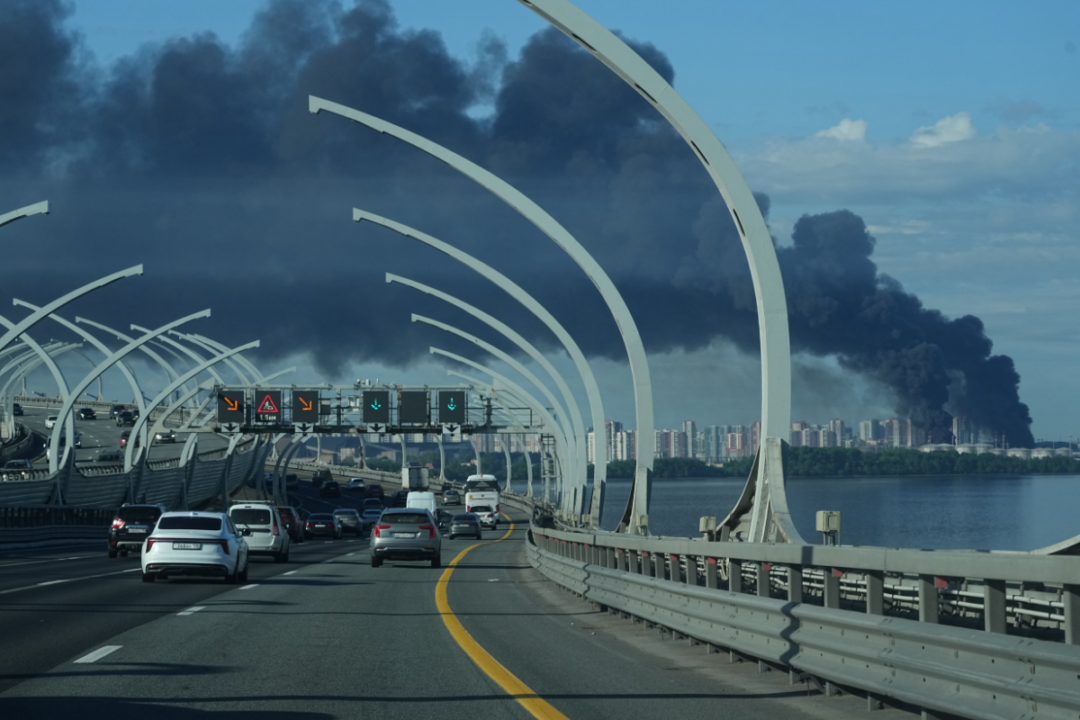
The announcement follows repeated Ukrainian strikes on Russian refineries, warehouses, and other infrastructure as Kyiv seeks to disrupt supplies and revenue supporting Moscow’s war effort.
Sazanov described the proposals as changes to how businesses account for expenses, rather than direct compensation, according to Russian state-run news agency TASS.
“Not compensation, but rather in terms of accounting for defense costs, including facility restoration. We are currently working with industry representatives and various sectors to determine what changes are needed to tax legislation. And it’s clear that changes will be needed,” he said.
While the proposal remains under development, Sazanov suggested it would let Russian businesses lower their tax bills by making drone-attack defense and repair tax-deductible, rather than through a broad reimbursement program.
Related Story

The tax proposals follow other measures aimed at helping Russian businesses impacted by Ukrainian drone strikes while requiring owners to do more to protect their facilities.
Loan Relief, State Oversight
Russia’s central bank recommended in early August that lenders restructure loans for small and medium-sized businesses affected by what it called “terrorist attacks” on warehouses, logistics centers, production sites, and other premises.
The regulator also advised lenders to refrain from charging late-payment penalties or demanding early repayment, and that loan restructuring should not worsen the credit histories of borrowers affected by Ukrainian attacks.

A view shows a damaged apartment building following a drone attack in Kotelniki in the Moscow region on Sept. 20, 2026. AFP via Getty Images
First Deputy Prime Minister Denis Manturov said the measure would be applied selectively and would not involve nationalizing businesses or changing their ownership.
Manturov said both private and state-owned enterprises were essential to the economy, but that owners differed in how seriously they addressed security threats.
“In some cases, unfortunately, ensuring the safety of their facilities and employees is not a priority for them,” he told reporters, according to TASS.
Refinery Strikes Draw Trump’s Attention
Ukraine’s expanding campaign against Russian energy infrastructure has drawn criticism from U.S. President Donald Trump, who has urged Kyiv to stop attacking refineries amid pressure on global diesel supplies.

A woman rides in a bus as smoke rises from the area of Russian oil producer Gazprom Neft’s Moscow oil refinery in Moscow on Sept. 20, 2026. AFP via Getty Images
He said on Monday that Russia had lost control of its diesel industry because of the war.
“A large number of their Diesel refineries have been blown up and are, at least temporarily, out of commission,” he wrote on social media. “This ridiculous and never ending War with Ukraine must be ended.”
Zelenskyy responded that Ukraine was prepared to reciprocate if Russia stopped attacking Ukrainian energy facilities, critical infrastructure, and food exports.
“Ukraine’s energy sector, critical infrastructure, and our food exports must stop being targets for Russia, and this will lead to matching de-escalation steps on our part. Solutions are possible,” he wrote in a post on X.
Kremlin spokesperson Dmitri Peskov was cited by TASS as saying this week that, while there’s been no progress toward a diplomatic resolution of the Russia–Ukraine conflict, Moscow hopes to resume trilateral peace talks with Washington mediating.