


Millions of drivers have been warned their bills rise when Rachel Reeves’ new car tax rates come into force, hitting petrol and diesel motorists hardest at a time when household finances are already under strain.
The changes, confirmed in the Finance Bill following the Autumn Budget, will push up the cost of keeping a car on the road for drivers across almost every emissions category.
From April, the standard annual VED rate will increase from around £195 to £200. While the rise may appear modest, opponents say it is yet another stealth tax quietly adding to the cost of living.
But Conservative Shadow Minister James Wild said drivers were once again being targeted to make up for Labour’s “economic failures”.
“Motorists are being asked to pay the price for the Government’s failure to get a grip on the economy,” he told MPs during the Finance Bill debate.
“This is on top of rising fuel duty, higher congestion charges and new mileage-based taxes. For many families, it’s becoming unaffordable.”
Mr Wild warned that the combined impact of the increases could cost the average driver an extra £255 a year. He also stated the decision to scrap the 5p fuel duty cut introduced by the previous Conservative Government was a huge mistake.
“Ending the fuel duty cut will cost typical families around £100 a year,“ he said. “At the same time, the long-standing fuel duty freeze is being abandoned.“
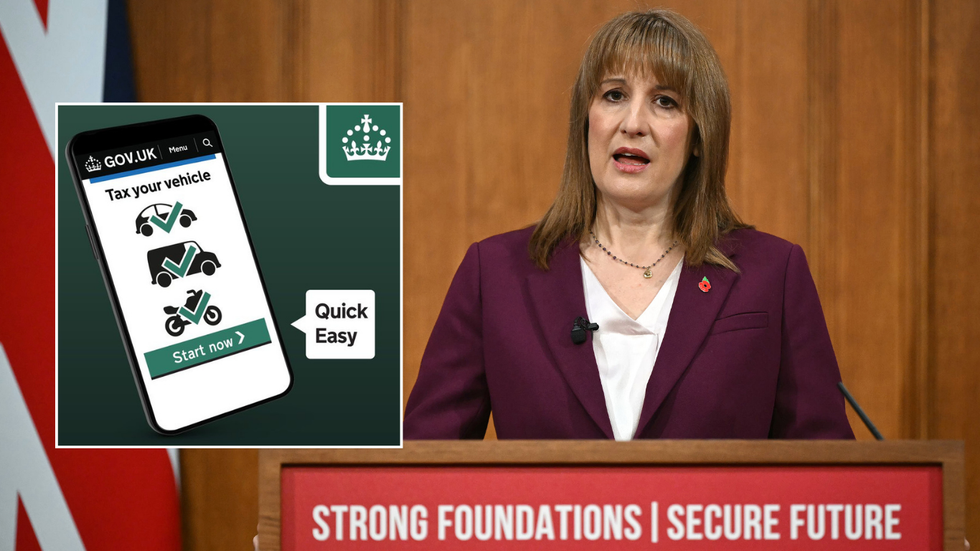
The Chancellor ended the fuel duty freeze and unveiled new car taxes at the Autumn Budget
|
PA/DVLA/XAccording to Mr Wild, the freeze saved motorists around £120billion. From next April, fuel duty will once again rise in line with inflation. “Everyone’s bills are going up,” he added. “There seems to be no end in sight.”
Industry experts have warned that the tax hikes could not come at a worse time. Rhydian Jones, car insurance expert at Confused.com, said drivers were already under pressure from rising costs.
“At a time when many other motoring costs are set to rise this year, these new rates may come as unwelcome news for some drivers,” he said.
The RAC has also raised concerns, warning that higher motoring taxes risk disproportionately hitting those who rely on their cars the most. “Living costs remain high, and in many parts of the country public transport simply isn’t a realistic alternative,” a spokesperson said.
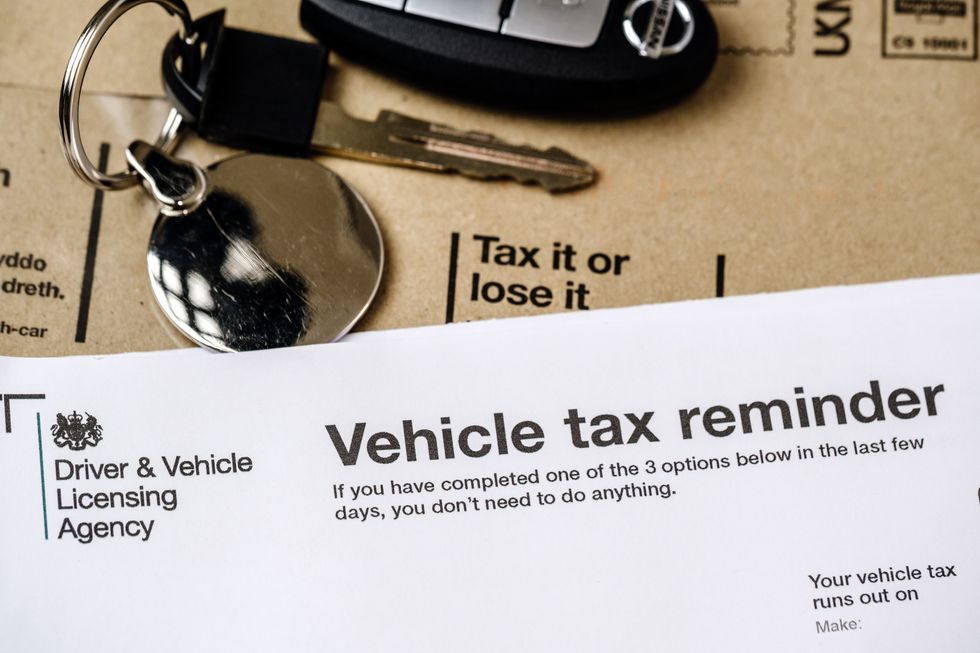
The new Vehicle Excise Duty rates will primarily impact petrol and diesel drivers
|
BIGWANTSYOURCARMore worryingly, the concern is particularly acute in rural areas, where cars are essential for work, school runs and accessing services. Mr Wild highlighted that “for many people, especially outside cities, the car isn‘t a luxury, it‘s a necessity.“
He also criticised the Prime Minister over public transport costs, saying: “The Prime Minister boasts about a £3 bus fare cap, but quietly allows it to rise by 50 per cent.”
Under the new VED system, cars registered between 2001 and 2017 will see increases across most emissions bands. Vehicles producing 121 to 130 grams of CO2 will pay £170 instead of £165, while those in the 131 to 140 band will rise to £200.
Higher emission vehicles will face steeper rises. Cars producing between 226 and 255 grams of CO2 will see their annual charge jump to £760, while the highest polluters will pay £790.
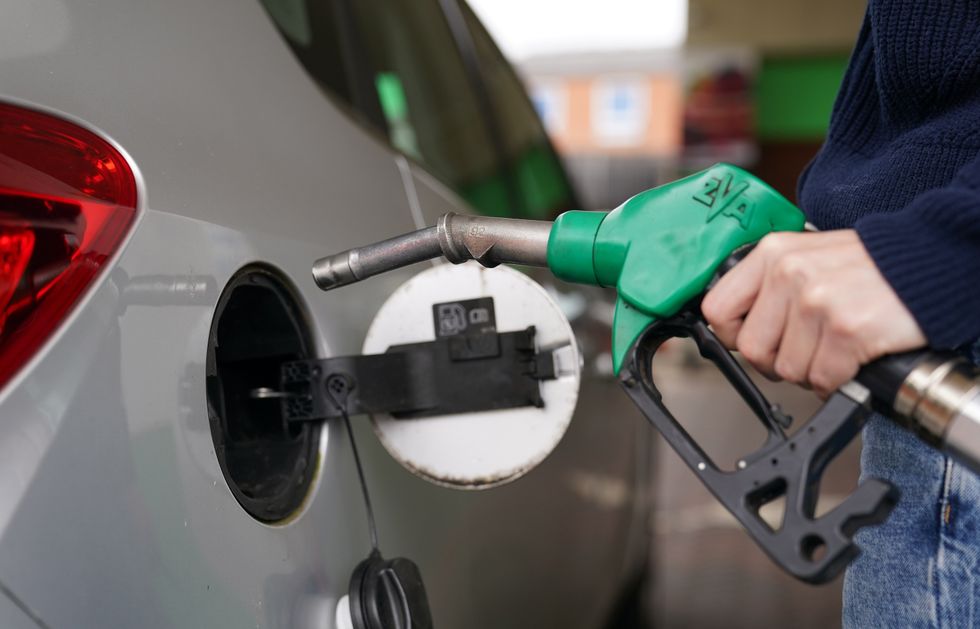 The 5p fuel duty cut was introduced in the aftermath of Russia’s invasion of Ukraine in 2022 | PA
Drivers of cars costing more than £40,000 will also be hit. The Expensive Car Supplement will rise from £425 to £440 a year, applying for five years after registration.
The haulage industry has warned that the tax rises will ripple through the economy. The Road Haulage Association said fuel duty alone adds more than £2,000 a year to the cost of running a single lorry.
“That cost doesn’t disappear; it ends up feeding through to higher prices for consumers,” the association warned.
Conservative MP Mark Garnier said the knock-on effects of scrapping the fuel duty freeze could be serious. “Higher transport costs risk pushing inflation up,” he stated. “That could mean higher interest rates and higher mortgage bills for families already struggling.“

