

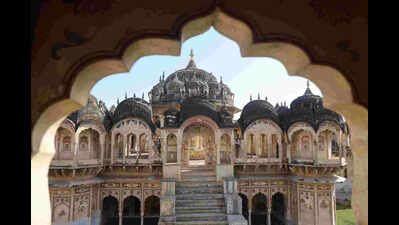
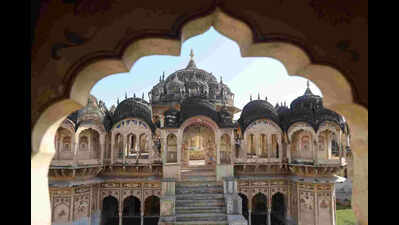
The 10th edition of the Vedaaranya Heritage and Healing Festival (VHAH Fest) concluded on January 26, 2026, after five immersive days of art, dialogue, music and cultural exchange across Ramgarh Shekhawati, Rajasthan. Held from January 22–26, the milestone edition unfolded across the town’s grand havelis, frescoed walls, chhatris, stepwells and the historic Ramgarh Fort, reaffirming Shekhawati’s reputation as India’s largest open-air art gallery and a historic centre of Sanskrit learning and Ayurvedic medicine, once known as Doosra Kashi.Organised by MOHAR (Museum of Heritage and Art at Ramgarh), a unit of the Shruti Foundation, in partnership with UNESCO, INTACH Shekhawati Chapter, Rajasthan Tourism, Birla Institute of Nursing and SDM Memorial School, Ramgarh, the festival marked a decade of sustained cultural revival in the region. UNESCO, the Ministry of Tourism and Culture, Incredible India and the Rajasthan Foundation supported the festival. Notably, Ramgarh Shekhawati was known to have the highest per capita income in the world in 1900.
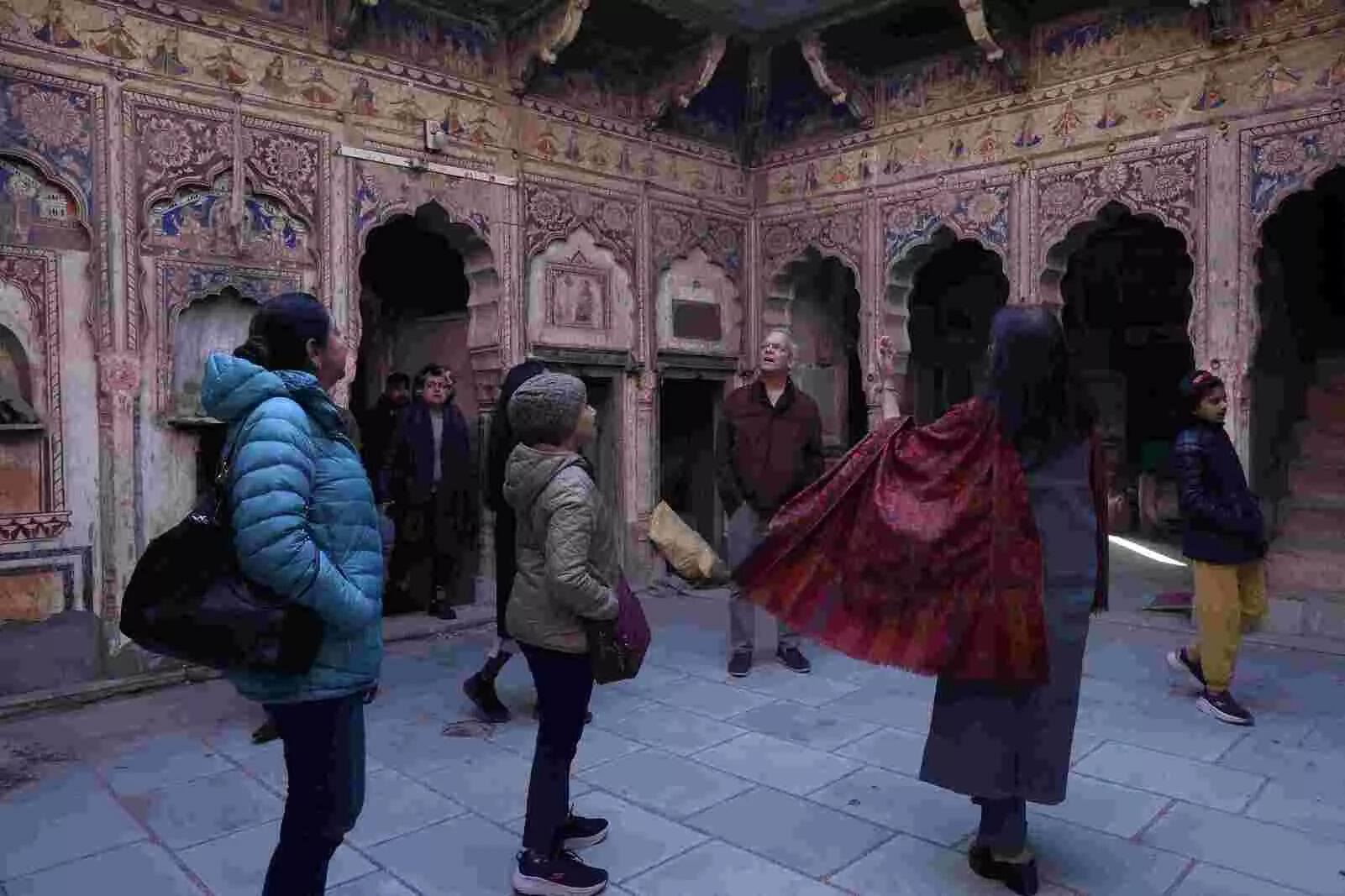
A glimpse of a heritage walk in Ramgarh Shekhawati, Rajasthan
VHAH Fest is an initiative envisioned and led by Shruti Nada Poddar, Founder of Shruti Foundation and Convener, INTACH Shekhawati Chapter, whose long-term commitment has been instrumental in reimagining and revitalising Shekhawati. The theme for the 2026 edition, Women in Heritage, anchored the festival’s programming. The festival opened with a prestigious UNESCO panel on Women in Heritage, led by Tim Curtis, Head of UNESCO South Asia, and moderated by Dr Alka Pande. The panel brought together voices including H.H. Ranisa Kadambari Jadeja, Ila Arun, Dr Rama Pandey, Dr Alka Pande, Priyanka Solanki, Shruti Nada Poddar and Tarun Thakral, exploring the role of women in shaping heritage, arts and cultural memory in India and beyond.
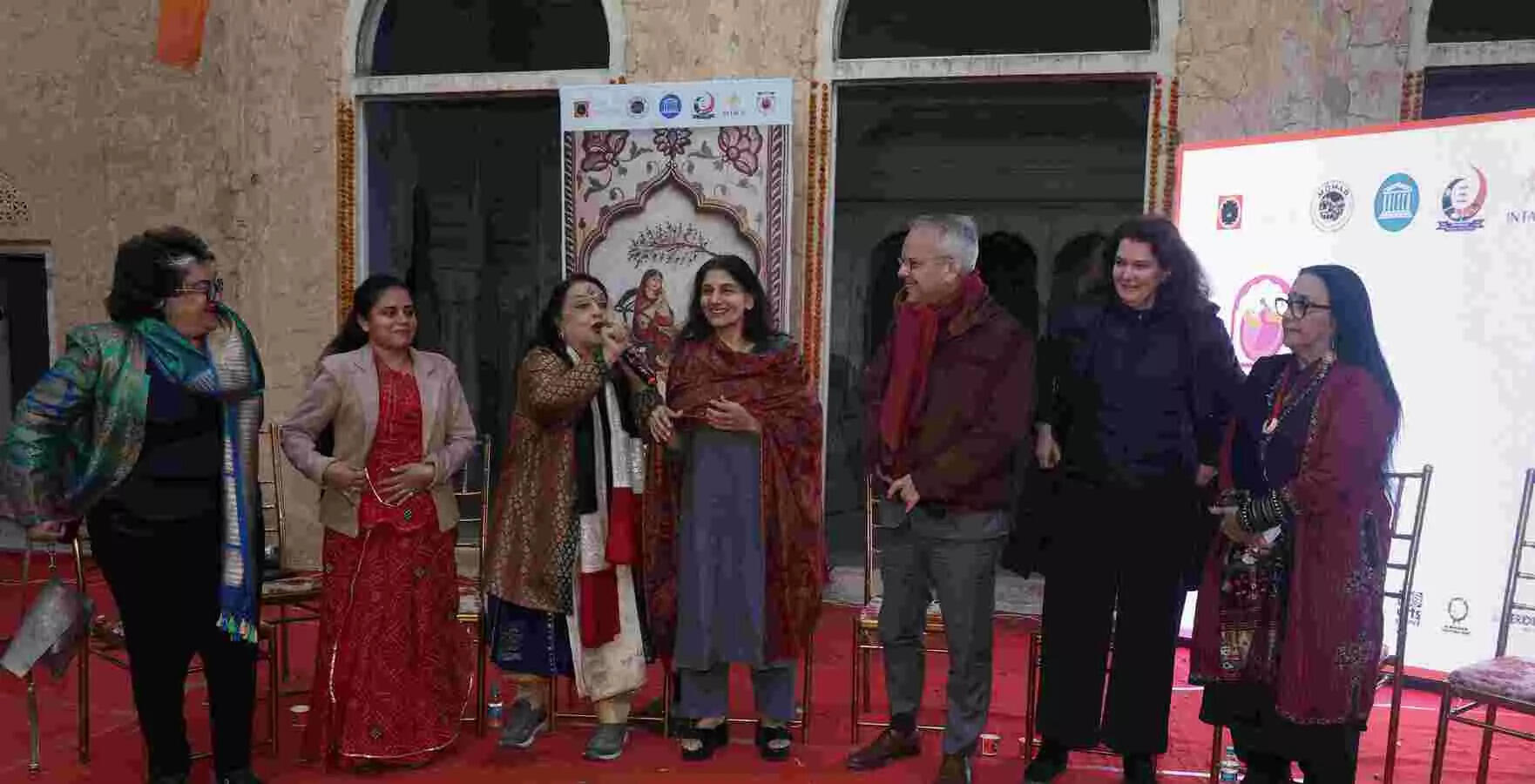
Dr. Alka Pandey, Priyanka Solanki, Rama Pandey, Lady Shruti Nada Poddar, Tim Curtis, Saskia Rao de Haas & Ila Arun
Among the key cultural highlights was a grand musical evening by Ila Arun at Ramgarh Fort. The fort also hosted The Descent of Shakti, a powerful dance production conceptualised by artist-curator Gauri Sharma Tripathi and Tarini Tripathi. Audiences experienced Dastaan Goi on the life of Meena Kumari, performed by Fouzia Daastango, while the Grand Archway Gallery at Mohar Haveli presented Raja Ravi Varma’s Women in Art and their Influence on the Indian Mind, graced by Raja Rama Varma, a descendant of the legendary artist.The festival featured Chant and Cello, a spiritual and classical collaboration by Maestro Saskia Rao de Haas and Lady Shruti Nada Poddar at the historic Sethani Ka Johad in Churu, followed by folk performances by Manganiyar musicians and the Kalbeliya community, recognised as UNESCO intangible heritage. Irish artists Siobhan Molloy and Jack Warnock performed in the candlelit courtyard of Mohar Haveli, presenting a unique east-west musical dialogue with folk rhythms of Shekhawati.Healing traditions remained central to the festival’s ethos. Visitors participated in interactive sessions led by Vaidya Chandanmal Swami, while Mind, Mood and Food with Vidhi Beri explored emotional and nutritional intelligence. Heritage walks through Ramgarh’s painted architecture, intimate candlelit evenings and shared meals created spaces for exchange among artists, craftspersons, healers, designers and cultural leaders from India and abroad.Across five days, the festival unfolded through workshops on traditional crafts, formal inaugurations, book launches, performances and conversations. Highlights included the launch of the Haveli Owners Conservation Handbook, edited by Shruti Nada Poddar and published by MOHAR, awards honouring local achievers, the launch of Devi and Her Avataars by Dr Alka Pande, and the release of Ila Arun’s autobiography Parde Ke Peechhey. The festival culminated in Taal Fry, a high-energy percussion ensemble blending North and South Indian musical traditions, followed by a celebratory farewell.
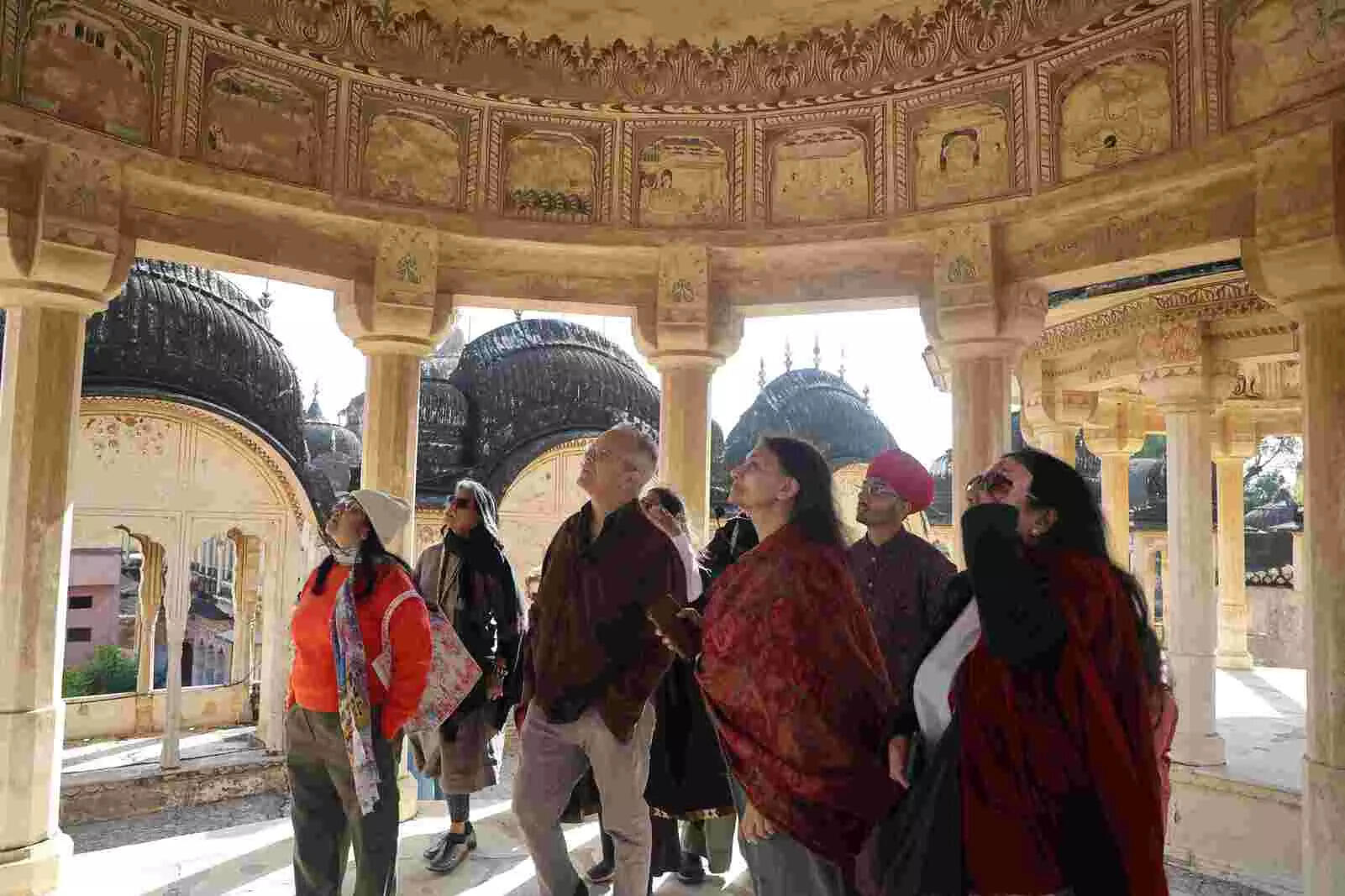
A glimpse of a heritage walk in Ramgarh Shekhawati, Rajasthan
Speaking ahead of the festival, Shruti says that, “Ramgarh Shekhawati is a living heritage civilisation and not simply a venue. She shares that the dream of VHAH Fest has always been to revive this extraordinary region and bring its creativity, wisdom and healing traditions back into the centre of public consciousness.” She adds that, “the tenth anniversary edition is a celebration of women and the feminine who have shaped heritage through the ages, in ways both visible and invisible and that the world will experience Shekhawati as a Habitat of the Future.”Conceived as a living museum, Mohar Haveli offers an immersive experience through its frescoed walls, sunlit courtyards, curated art collections and thoughtfully prepared local cuisine, positioning Ramgarh as a destination to be lived and experienced rather than merely visited.Honouring Raas, Rang and Reet—celebration, colour and tradition—VHAH Fest continues to invite audiences to witness and participate in the artistic ecology of Ramgarh Shekhawati. As restored havelis and cultural spaces reopen to the world, the region stands poised for a renewed future shaped by community creativity, heritage and healing.