

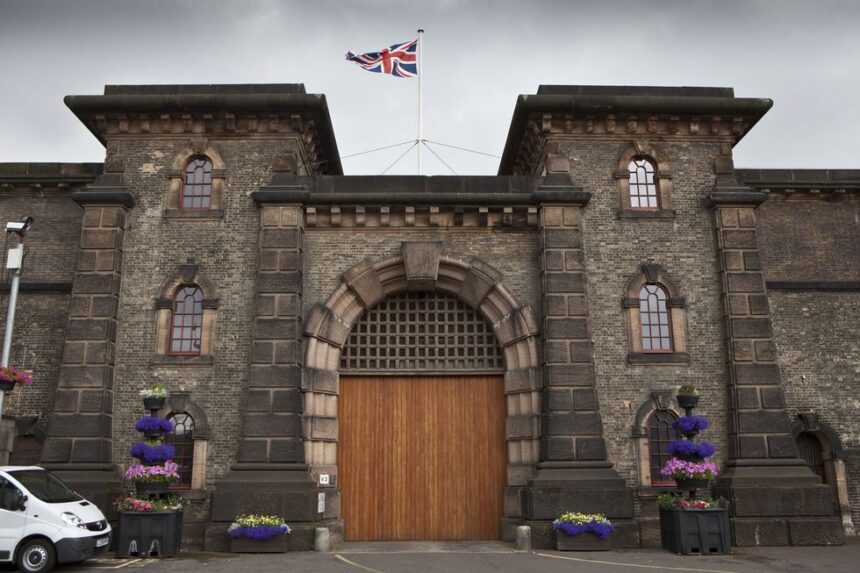
Inmates at two London prisons have been handed personal alarm clocks to wake themselves up more gently every morning.
The scheme at Wandsworth and Pentonville prisons replaces the traditional method of officers banging loudly on cell doors.
Prison authorities believe the change will cut violence by preventing prisoners from starting their day feeling hostile.
The pilot draws on approaches used in Scandinavian and American correctional facilities.
By allowing prisoners to manage their own wake-up routine, officials are pushing to make them more indepedent and create calmer conditions within the prison system.
The trial began seven weeks ago and will run for 10 months, involving 120 prisoners.
Participants will spend more time outside their cells and eat meals together rather than remaining locked up for as long as 22 hours daily.
Natasha Porter, founder of the charity Unlocked Graduates which supports the scheme, said: “The thing that we’re really interested in is what happens when you have more autonomy given to the front-line staff who actually know what the problems look like and therefore have a good idea of what the best solutions would look like. Do you get a better outcome for the prisoners?”
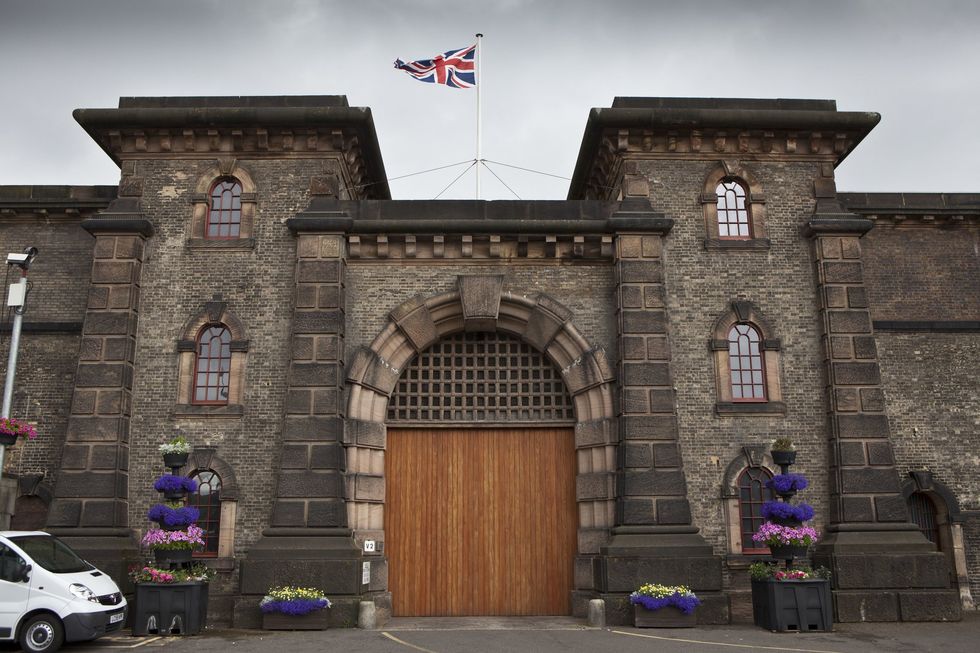
HMP Wandsworth is one of the two prisons trialling the scheme
|
GETTY
She added: “It sounds small, but often in really big prisons where you don’t have many staff, the way the prisoners are woken up in the morning is key on door to the metal, going ding, ding, ding, a kind of loud banging, ‘get up, free flow in 15 minutes’.
“There’s shouting, it’s aggressive. And actually, if you are woken up in that way, you’re much more likely to start the day in a bad mood, to be violent, to be confrontational.”
The scheme takes inspiration from two sources.
One model comes from education, where teachers given freedom to “innovate” have achieved improved standards in schools and academies.
The other influence is a Pennsylvania prison project called Little Scandinavia.
MORE FROM INSIDE BRITAIN’S PRISONS:
There, 64 men are referred to as “residents” rather than prisoners and have access to facilities including a fish tank with potted plants, a therapy room, a cappuccino machine, pastel-coloured sofas and air fryers.
Most of the specially selected officers at Wandsworth and Pentonville have travelled to Sweden for five days of training.
They are expected to spend more time discussing personal problems with prisoners and encouraging rehabilitation.
Researchers from King’s College London will evaluate whether the units succeed in reducing violence, self-harm and drug use among participants.
Prisoners are assigned to the units randomly rather than as a reward for good behaviour.
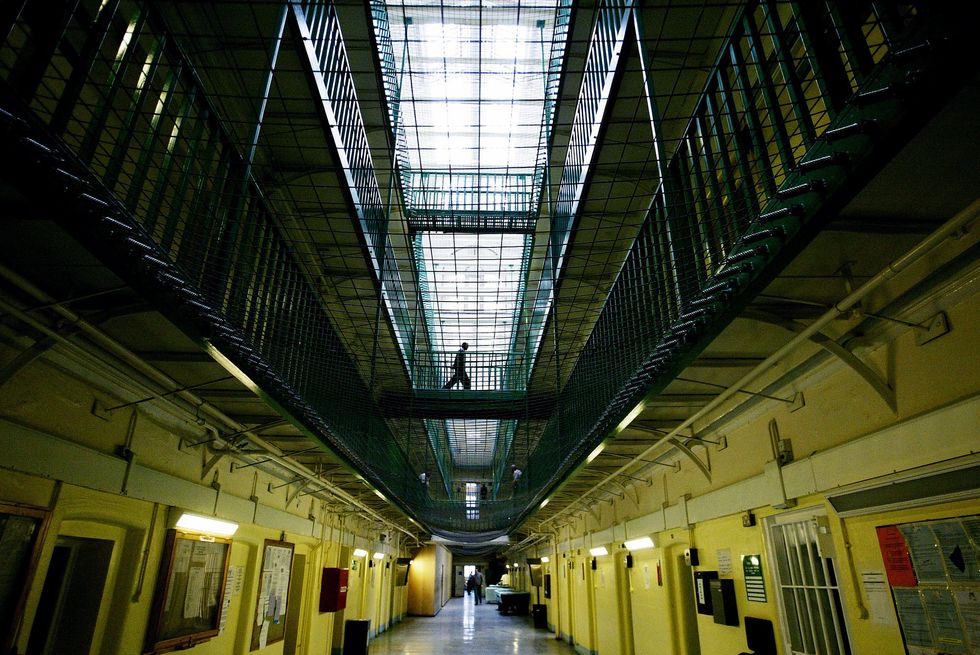
Most of the specially selected officers at Wandsworth and Pentonville (pictured) have travelled to Sweden for five days of training
|
GETTY
Initial findings are due in October.
Ian Blakeman, the group director for London prisons at HMPPS, said: “I am rehabilitative, but first and foremost I want the people in prisons to be safe, I want prisoners not to get hurt, I want staff to go home not being injured.
“Improving your climate, improving your staff-prisoner relationships, absolutely improves those safety outcomes. There’s a risk with it in terms of public perception sometimes, in terms of being seen as soft on crime. It’s absolutely not being soft on crime.”
A Ministry of Justice spokesman said: “We’re determined the criminal justice system creates better citizens, not better criminals.
“We will continue to look at what works – including evidence from overseas – to improve safety, reduce reoffending and protect the public.”