

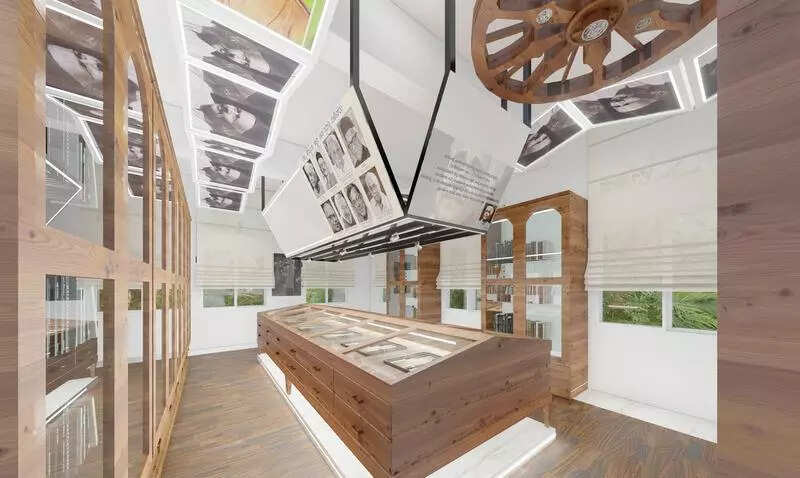
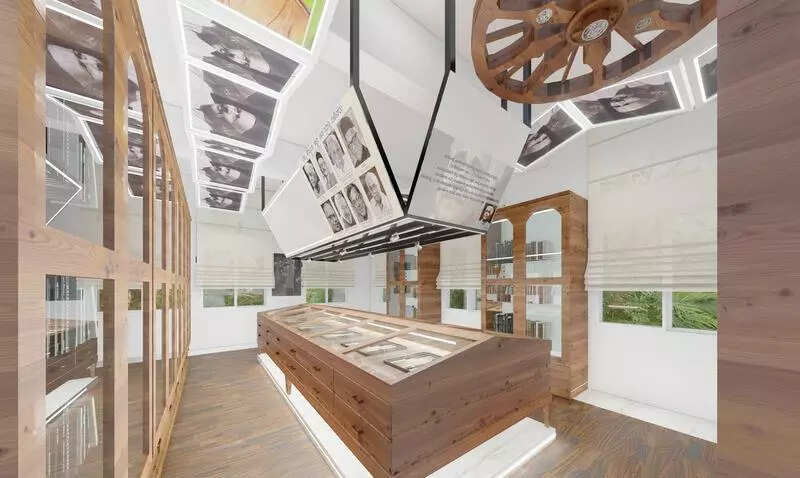
As part of the renovation, old and deteriorated wooden and metal windows will be replaced with modern UPVC window units. These UPVC installations will improve insulation and reduce dust and moisture ingress, which are essential for preserving archival materials. Similarly, Stone Polymer Composite (SPC) or durable vinyl flooring, best for controlled museum environments, will be used. All the museums will be equipped with interactive digital information panels. “The panels will transform traditional static displays into dynamic knowledge systems by providing detailed information about specimens, thus enhancing experiential learning and public outreach,” said Hanjagi.The zoology museum will receive custom-built display racks designed specifically for entomology and osteology specimens, for systematic arrangement and safe storage of delicate insect collections and skeletal materials. The museum has 4,000+ specimens, including age-old osteology specimens, stages of the human foetus, skulls of big cats, hippopotamuses and walruses, and corals. In the botany museum, these racks will support organised preservation of herbarium sheets, plant specimens, and botanical models. Similarly, the geology museum racks will be designed to securely display over 5,000 specimens, including archean rocks, petrified woods, and ammonite fossils. The history museum will get double-sided acrylic-mounted display panels that will maximise display space while improving visitor engagement. The museum has replica models of Indus seals from 2500 BC, palm leaves from 12 AD, Neolithic tools and terracotta from 10,000 BC to 3,000 BC, and coins from the ancient to the modern period, among other valuables. The museum also has a gallery with 50 photographs related to Sardar Patel’s integration of the Indian states. Kannada to go digitalThe Kannada department’s digitisation project is another important feature. Around 3,000 age-old Kannada manuscripts and scripts will be digitised, some of them as early as the 9th century. “The digital archive will play a crucial role in safeguarding Karnataka’s linguistic heritage for future generations. These initiatives will strengthen teaching-learning processes, support advanced research, and transform departmental museums into vibrant academic and public knowledge centres. The modernisation will also enhance the university’s national and global academic visibility while preserving invaluable scientific, historical, and cultural collections,” said Jayakara Shetty, vice-chancellor, BU.Members of the public can write to the departments to visit these museums.