Commentary
Patrick Clancy’s interview on “60 Minutes” was among the most riveting, painful, and spiritually challenging conversations I have witnessed in years. It was not merely an interview about a criminal trial or a family tragedy. It was the testimony of a father attempting to remain alive after the world he knew was destroyed.
Patrick lost his three children Cora, Dawson, and Callan at the hands of their mother, Lindsay Clancy. No sentence can adequately contain the horror of that reality. There are losses so profound that ordinary language becomes inadequate. Yet Patrick sat before the nation and tried to give words to the unspeakable.
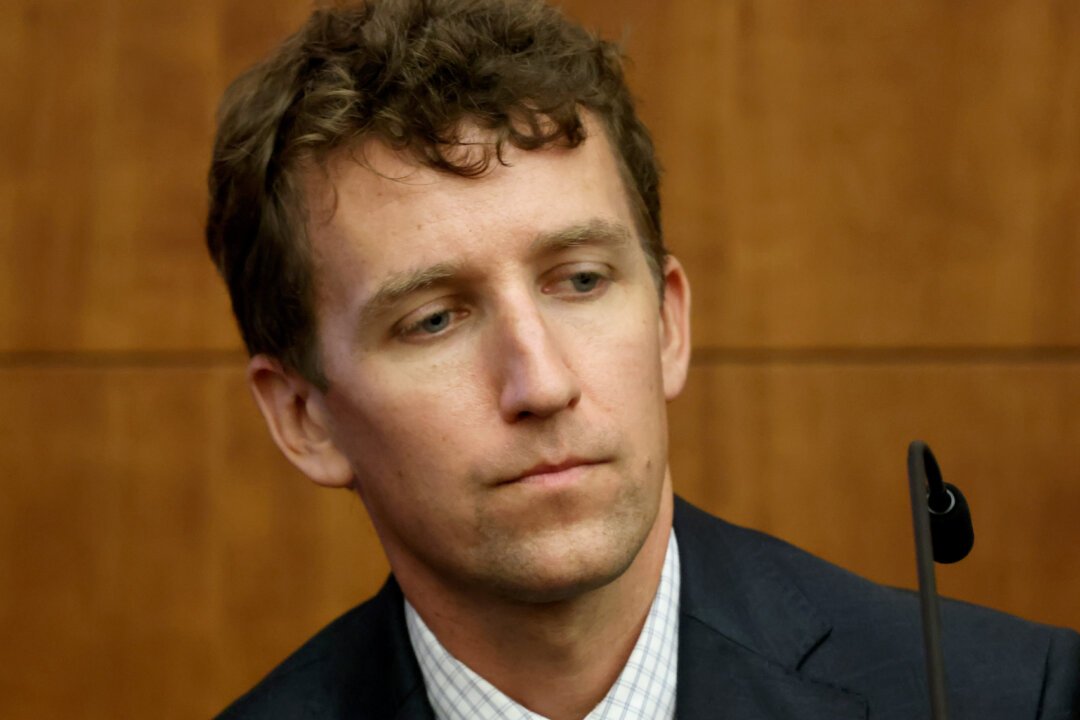
What made the interview so powerful was his restraint. There was no theatrical display, no demand for sympathy, and no performance of grief for public consumption. He spoke with the controlled anguish of someone who has learned that if he allows every emotion to surface at once, he may not survive it.
Too many people have judged Patrick because he did not grieve in the manner they expected. Some mistook composure for coldness and stillness for indifference. But grief has no single face. Some people collapse publicly. Others become quiet. Some scream. Others cannot make a sound. We should be very careful about measuring another person’s love by how visibly that person suffers.
Patrick revealed that while testifying, he suffered a massive traumatic panic attack. His heart was pounding, and he was taken to an ambulance. He declined medication because he wanted to return and complete his testimony. What some observers saw as emotional detachment was actually a man forcing himself through unbearable trauma.
Related Stories


He also acknowledged that there was a period when he did not believe he would live to see his 35th birthday and that he had made peace with that possibility. That confession should silence anyone tempted to trivialize his pain. Patrick was not untouched by tragedy. He was nearly consumed by it.
The most extraordinary moment came when he was asked whether Lindsay had ever requested his forgiveness. His answer was simple: she had not.
“But I gave it to her.”
Those five words revealed more about faith, suffering, and human survival than hours of courtroom testimony ever could.
Forgiveness does not mean that nothing terrible happened. It does not erase responsibility or diminish the lives of Cora, Dawson, and Callan. It does not resolve every legal question. Forgiveness means Patrick refused to surrender the remainder of his life to hatred. He understood that if he allowed anger to become his permanent home, the tragedy would continue taking victims.
His forgiveness is not ours to question. It belongs to the person who lost the most.
The interview also forces America to confront postpartum psychosis and the inadequacy of our mental-health system. Mental illness does not make the deaths of three innocent children less horrifying. But refusing to understand severe mental illness will not protect future children. It will only guarantee that other families walk blindly toward preventable disaster.
Patrick described mental illness as tragically deceptive. That observation deserves national attention. Families are often expected to recognize psychiatric emergencies without the knowledge, resources, or professional support necessary to understand what they are witnessing. They see anxiety, sleeplessness, depression, or unusual behavior, but they may not recognize the approach of psychosis until the crisis has already become catastrophic.
We must build a system in which women experiencing severe postpartum symptoms are not simply prescribed medication and sent back into overwhelmed households. Husbands and relatives need education. Physicians must communicate with one another. Warning signs must be treated with urgency. Mothers need sustained care, and children must be protected without treating every struggling mother as a criminal.
The trial ended without a unanimous verdict. Eleven jurors reportedly concluded that Lindsay was not criminally responsible because of mental illness, while one juror disagreed. That division reflects a larger struggle within society. We understand physical illness instinctively, but severe mental illness still frightens and confuses us. We often insist on choosing between two extremes: either someone is evil or completely blameless. Reality can be far more difficult.
Patrick’s decision to rebuild his life has also invited judgment. He has remarried and is preparing to welcome another child. Some people will question how anyone can move forward after such loss. But moving forward is not the same as moving on. New love does not replace Cora, Dawson, and Callan. Another child will not erase them. The human heart can mourn what was lost while remaining open to what may still be given.
Choosing life after devastation is not betrayal. It is courage.
Patrick also confronted the conspiracy theories that falsely accused him and distorted the memory of his children. Social media has created a culture in which strangers treat human tragedy as entertainment. People assemble fragments, invent motives, and destroy reputations without evidence. They forget that real people must live beneath the weight of their speculation.
Cora, Dawson, and Callan were not characters in an online mystery. They were children who laughed, loved, played, and trusted the adults around them. Their names not conspiracy theories, courtroom spectacle, or public cruelty must remain at the center of this story.
Patrick Clancy did not offer America easy answers. He offered something far more meaningful: honesty without self-pity, grief without spectacle, forgiveness without denial, and hope without forgetting.
His interview reminded us that survival is not always dramatic. Sometimes survival is simply getting up, carrying the memory of those we have lost, and choosing, one more time, to remain among the living.
Views expressed in this article are opinions of the author and do not necessarily reflect the views of The Epoch Times.