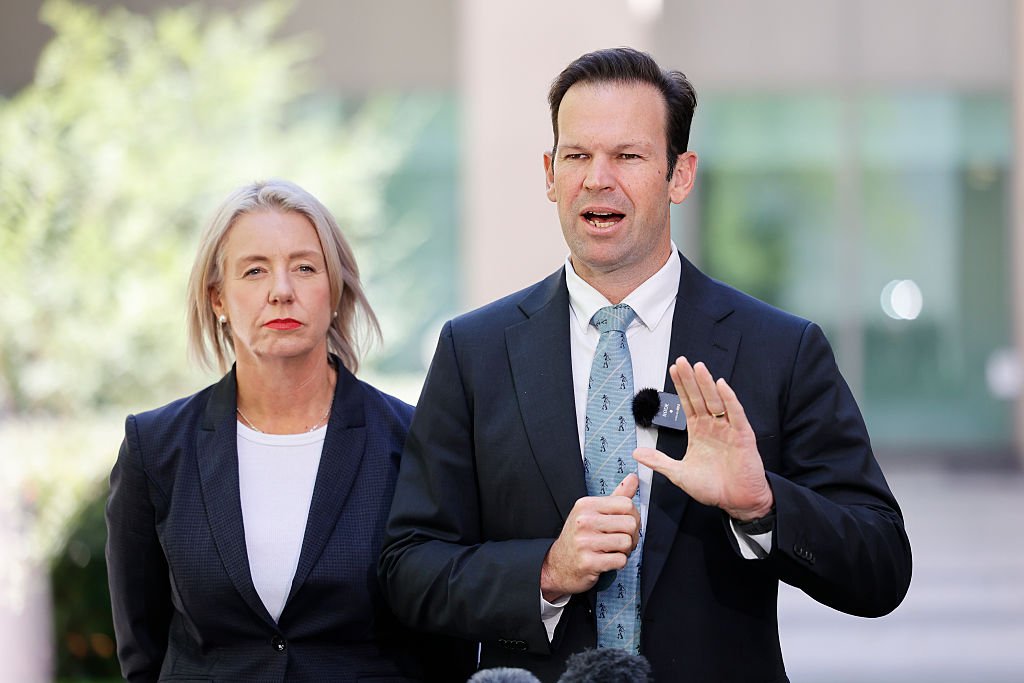
Nationals Leader Matt Canavan has called for more men to become teachers, claiming education has become “feminised,” leading to young men turning to harmful online male role models.
The Queensland senator believes a lack of real-world male role models is causing boys to turn to so-called “manosphere” influencers, who often espouse misogynistic views.
But the father of four boys said male students were also being given “lectures” about “how bad men are” at schools, further alienating them.
“They [male students] are sick and tired of the feminisation of our curriculum and the lack of direction and leadership that they’re given,” he told Nine’s Today program.
“Maybe we should look at getting more male teachers in. That used to be an agenda, I don’t know what’s happened to that. But maybe we should have more male role models in schools.
Related Stories
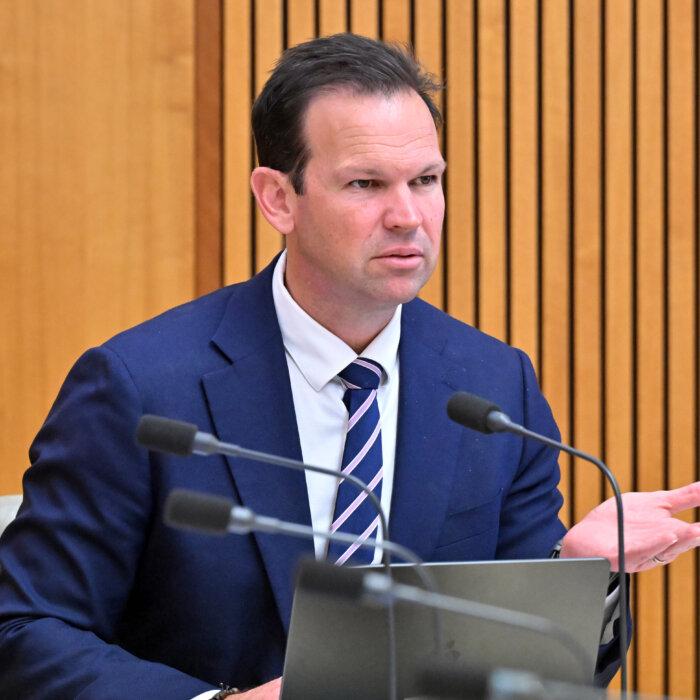

Men make up less than a quarter of teachers in government schools, accounting for 23.3 percent of the teaching workforce.
The proportion of male teachers was slightly higher in Catholic schools, at 25.2 percent, and increased to 31.4 percent in other independent schools.
“I just know young boys often feel that they don’t get any kind of instruction, leadership,” Canavan said.
“They’re not cherished [in school].”
But it also found young men were feeling defensive, disenfranchised, uncertain, rebellious and lonely.
The research showed that harmful online content can appeal to boys by providing a sense of validation, and that algorithms tend to push such content towards them.
Push for Social Media Algorithm Changes
Canavan’s comments come as Teach Us Consent CEO Chanel Contos addressed the National Press Club on Sept. 2, saying social media algorithms were at the heart of a “dangerous new frontier in gender-based violence.”
Contos said studies had shown that within minutes of signing up, social media accounts mimicking boys and men were bombarded with harmful content.
“Consent education in schools is fighting an uphill battle,” she said.
“A yearly class on consent has little hope of effecting change when an addictive, content-producing machine targeted at teens, who ingest it for hours a day, is preaching a contradictory message.
“The rise of radicalisation of young men into misogyny online is an urgent challenge that must be addressed.”
Contos said studies had shown that the concept of “masculinity” had become curated online and turned into a financially incentivised product.
Specifically, algorithms had funnelled men towards paid communities, unregulated health supplements, cryptocurrency schemes, and expensive coaching programs that, combined, make up a multi-billion-dollar industry targeting men.
“We’ve known for decades that the beauty industry profits off women’s insecurities, now the manosphere profits off the grievance and self-doubt of ill-defined masculinity,” Contos said.
The advocate is calling on the federal government to pursue an opt-in system for algorithmic social media feeds, as she says other work-arounds would easily be side-stepped by Big Tech companies.
Under the proposal, social media users would need to actively opt in to an algorithm-driven feed, rather than having it as the default.