


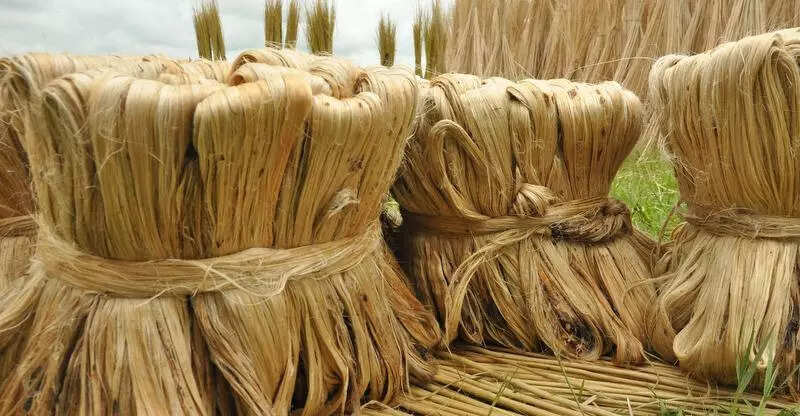
However, the industry was hoping to get something more, especially on mandatory use of biodegradable and eco-friendly jute bags, Sarda added.Abhishek Poddar, director, Ganges Jute Pvt Ltd, and regional chairman of FIEO, said the scheme aims to promote self-reliance in fibres, with a special focus on natural fibres such as silk, wool and jute, alongside man-made and new-age fibres.By strengthening the domestic fibre ecosystem, the initiative lays the foundation for a more resilient and competitive textile value chain, he said, adding that it will help boost exports.“This mission is particularly important for the Indian jute industry. The sector is currently facing an acute scarcity of raw jute. The ban on raw jute from Bangladesh has further aggravated supply constraints. As a result, several mills were forced to shut down operations or reduce working shifts,” he said further.Poddar pointed out that the National Fibre Mission is a welcome initiative in this context. Greater self-reliance in jute cultivation, coupled with improvements in fibre quality and productivity can stabilise raw jute material availability and accelerate the development of value-added jute products, he said.The mission will also strengthen research and innovation and integrate farmers more closely with the supply chain, he added.