

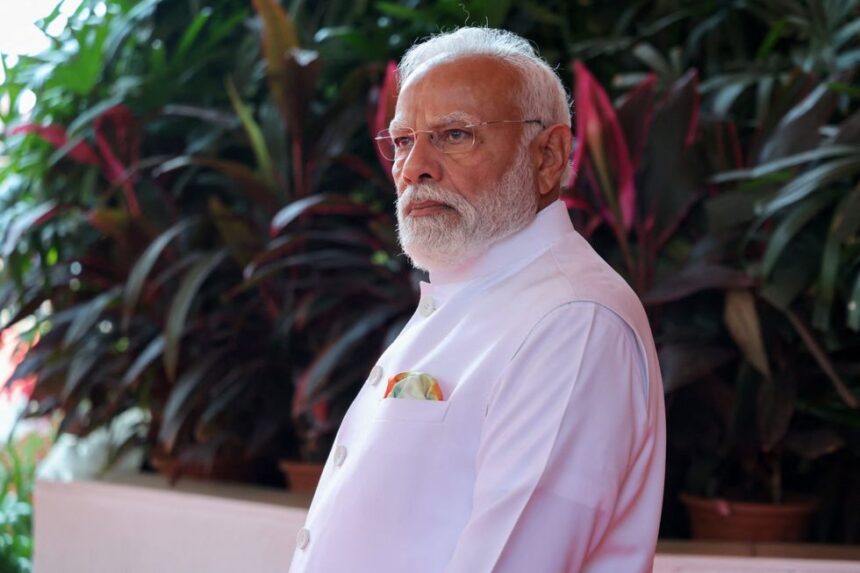
India’s Prime Minister, Narendra Modi, has changed the name of an Indian city which was formerly under British rule in “decolonisation” drive.
He described the move as part of a broader effort to strip away colonial legacies and reclaim indigenous identity.
Mr Modi confirmed the southwestern Indian state of Kerala will now be known as “Keralam”, adopting its traditional name in the Malayalam language.
The decision affects official usage across government documents and institutions, replacing the English-given name that has been in place since the colonial era.
Kerala, now Keralam, has for centuries been a key location in the global spice trade.
The city is also known for its coastline, Ayurvedic traditions and coconut-based cuisine.
The name “Keralam” is commonly translated as “land of the coconuts” and has long been used locally by Malayalam speakers.
Mr Modi said the change formed part of “efforts to strengthen the connection with our glorious culture”, The Times reports.
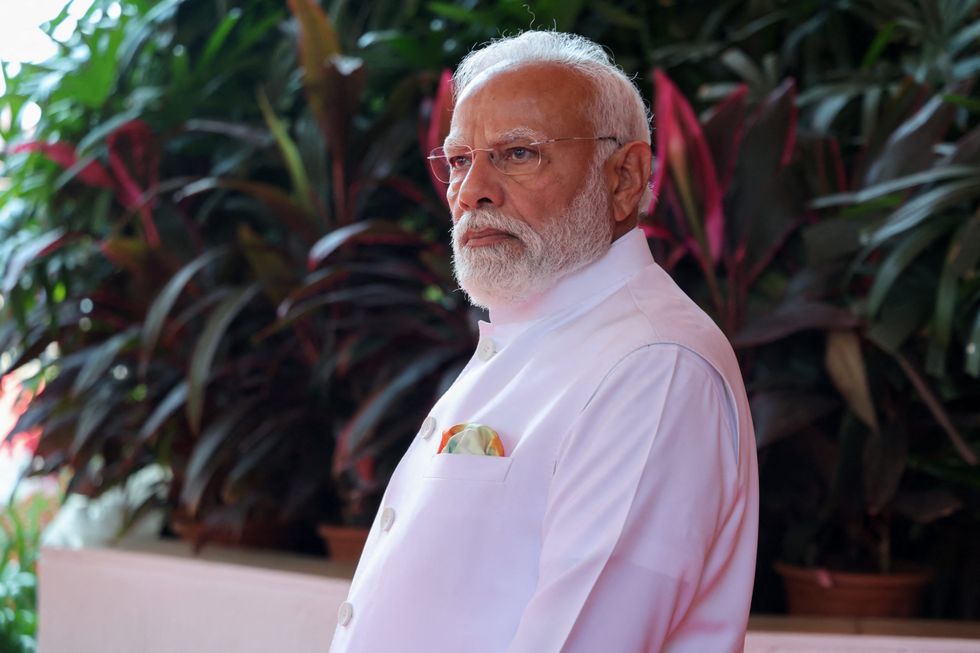
Critics say the decision to change Kerala’s name could be aimed at broadening Modi’s party’s appeal among local voters.
|
GETTY
The move follows years of pressure from the state’s communist-led coalition government, which has argued that the English version of the name was a colonial imposition.
However, the announcement has prompted criticism from opposition figures, who accused the government of symbolic politics.
Author and MP Shashi Tharoor said he was unconvinced by the significance of the change.
The senior figure from the Indian National Congress said: “I don’t know what difference it makes.
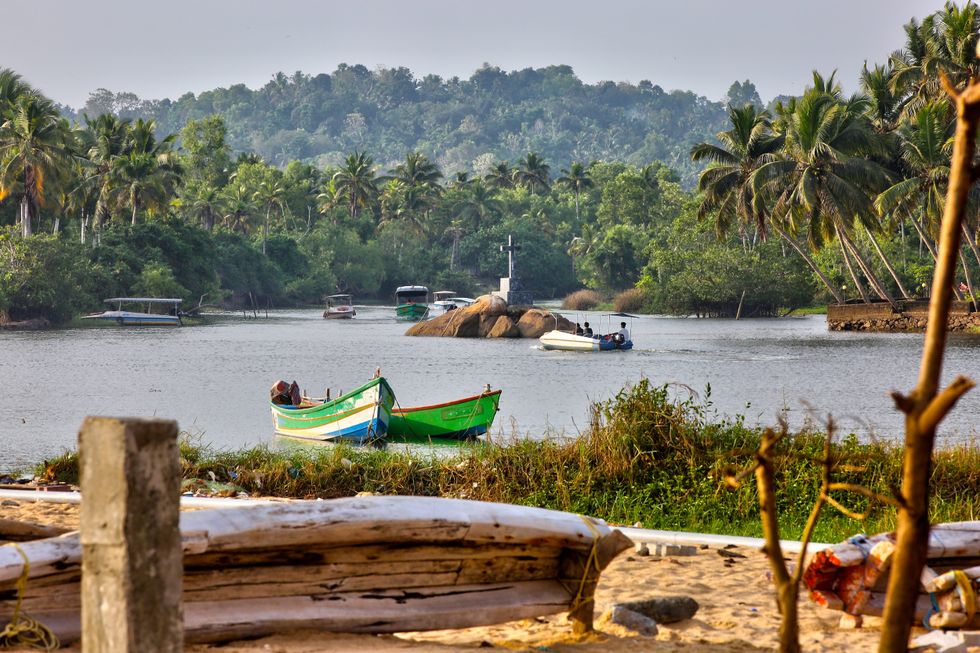
Kerala is a state on India’s tropical Malabar Coast known for its palm-lined beaches and backwaters, a network of canals
|
GETTY
“What happens now to the terms ‘Keralite’ and ‘Keralan’?
“‘Keralamite’ sounds like a microbe and ‘Keralamian’ a rare earth mineral.”
While major cities such as Mumbai and Kolkata abandoned their anglicised names more than two decades ago, Mr Modi’s government has accelerated a renaming programme since coming to power in 2014.
The initiative has targeted cities, roads and institutions with names linked to British or Mughal rule.
Mr Modi has described the policy as a “cultural reawakening” designed to rid India of what he calls a colonial mindset.
He has also suggested that the country itself should increasingly be referred to as “Bharat”, a Sanskrit-derived alternative to India.
Last week, the government replaced a statue of British architect Edwin Lutyens at the presidential palace with a bust of C. Rajagopalachari, India’s first native-born governor-general.
The renaming of Kerala may also carry political significance ahead of state elections due before May.
Often referred to as “Red Kerala”, the state has long been a communist stronghold where Mr Modi’s Bharatiya Janata Party struggled to gain electoral traction until 2024.
Critics say the decision could be aimed at broadening the party’s appeal among local voters.
The state government welcomed the move, citing decades of demands dating back to India’s independence movement.
A resolution from Kerala’s legislative assembly said there had been a “strong demand for the formation of United Kerala for the people speaking the Malayalam language”.
The decision has also reignited similar calls elsewhere in the country.
West Bengal has for years sought approval to officially adopt the name “Bangla” or “Bongo”.
Its chief minister, Mamata Banerjee, criticised the decision to approve Keralam but not her own state’s request.
She said: “I think they are not approving it because they are anti-Bengali.
“They disrespect the icons and visionaries of Bengal.”