

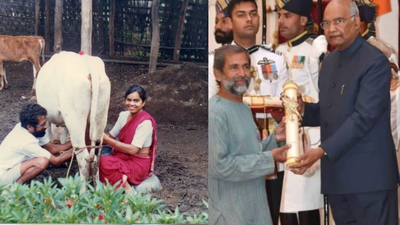
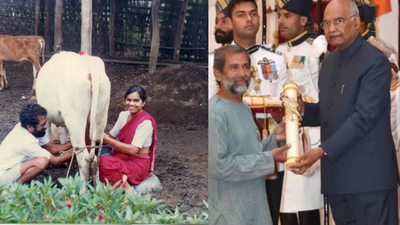
Long before recognition, awards or headlines, a young doctor chose to travel to a village that most maps barely acknowledged. In the mid 1980s, reaching Bairagarh in Maharashtra’s Melghat region meant travelling only as far as the road allowed and then walking nearly 40 kilometres through rugged forest terrain. Healthcare facilities were almost nonexistent here, electricity was unreliable, and illness had become part of everyday life. Children often fell sick, mothers delivered babies without medical support, and loss was quietly accepted as fate. Then, in 1985, when Dr Ravindra Kolhe arrived here, he was not just stepping into a remote village. He was unknowingly beginning a journey that would test everything he believed about medicine, service and what it truly means to stay when everyone else leaves. Scroll down to read more.
When staying became the real treatment
In a place where most professionals would have eventually returned to the comfort of cities, Dr. Ravindra Kolhe began building something quietly extraordinary. He set up a small medical practice and charged just ₹2 for a consultation and ₹1 for follow-ups, not as an act of charity, but because that was all the villagers could realistically afford. For him, medicine was never meant to feel distant, expensive or intimidating. It had to exist within the reach of the people who needed it most.
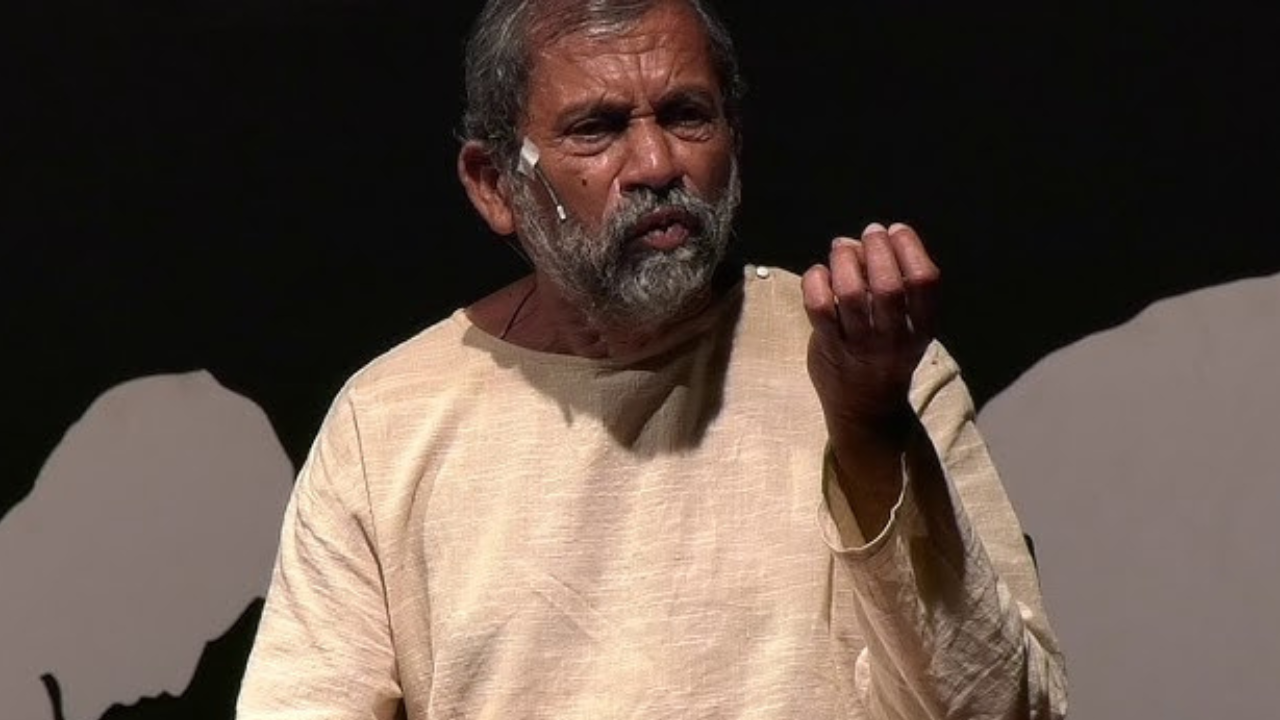
Gradually, the news began to circulate throughout the nearby villages and hamlets. People started to travel significant distances seeking treatment, and over time, the local villagers affectionately nicknamed him ‘The one-rupee doctor,’ a title that embodied both their deep appreciation and heartfelt gratitude for his services. However, what they remained unaware of was that this seemingly simple decision would quietly set in motion a series of changes that would profoundly impact the future of their entire community.
A life chosen, not fallen into
After graduating from Government Medical College in Nagpur, Dr. Ravindra Kolhe had the opportunity to pursue a stable and comfortable career in an urban hospital, a path most young doctors naturally chose. But comfort was never his goal. Deeply influenced by Gandhian ideals of service and social equality, he felt drawn toward places where medical care was absent rather than abundant. For him, medicine carried meaning only when it reached those who had been left behind. Plus, Melghat was not merely remote; it was a region long overlooked, where distance, poverty and neglect had quietly separated entire communities from basic healthcare.The first years were harsh. Patients arrived with advanced illnesses. Resources were scarce. Sometimes, diagnosis depended more on instinct and experience than on equipment. And yet, every day, people came, walking miles through forests for treatment.
An early medical emergency profoundly impacted him, instilling a deep realization of just how much more knowledge he needed to acquire in order to effectively serve the community at large. As a result of this eye-opening experience, he made the decision to step away temporarily from his practice, pursuing a postgraduate degree in Preventive and Social Medicine, with the intention of returning with enhanced skills and insights. However, amidst all these reflections, one conviction stood out prominently: this journey of life and service could not be navigated in isolation, and collaboration with others was essential.
The partner who chose the same path
“When I decided to look for a life partner, I had 4 conditions. First, was that since I used to take Re 1 as consultation fees and managed to earn not more than Rs 400 a month and hence wanted a life partner who would run the house frugally in this amount. Second condition was that she should be willing to walk for 40 kilometers daily as village life demanded this, the third condition was that she should be willing for Rs 5 registered marriage and the last condition was that she should be willing to beg, not for ourselves but for others.” says Dr Kohle in a YouTube interview.Dr. Smita Manjare agreed to marry him. A homoeopathic doctor with training in law and yoga therapy, she stepped into Bairagarh knowing that ease would not be part of the journey. The couple lived with limited amenities, adapting to a rhythm of life defined by patients, emergencies, and community needs. At first, villagers were unsure about her. She spoke openly about women’s health and empowerment, ideas unfamiliar in the region, and change often arrives quietly before it is accepted. Trust did not come overnight, but through patience, presence and shared hardships, the distance between doctor and community slowly began to disappear.
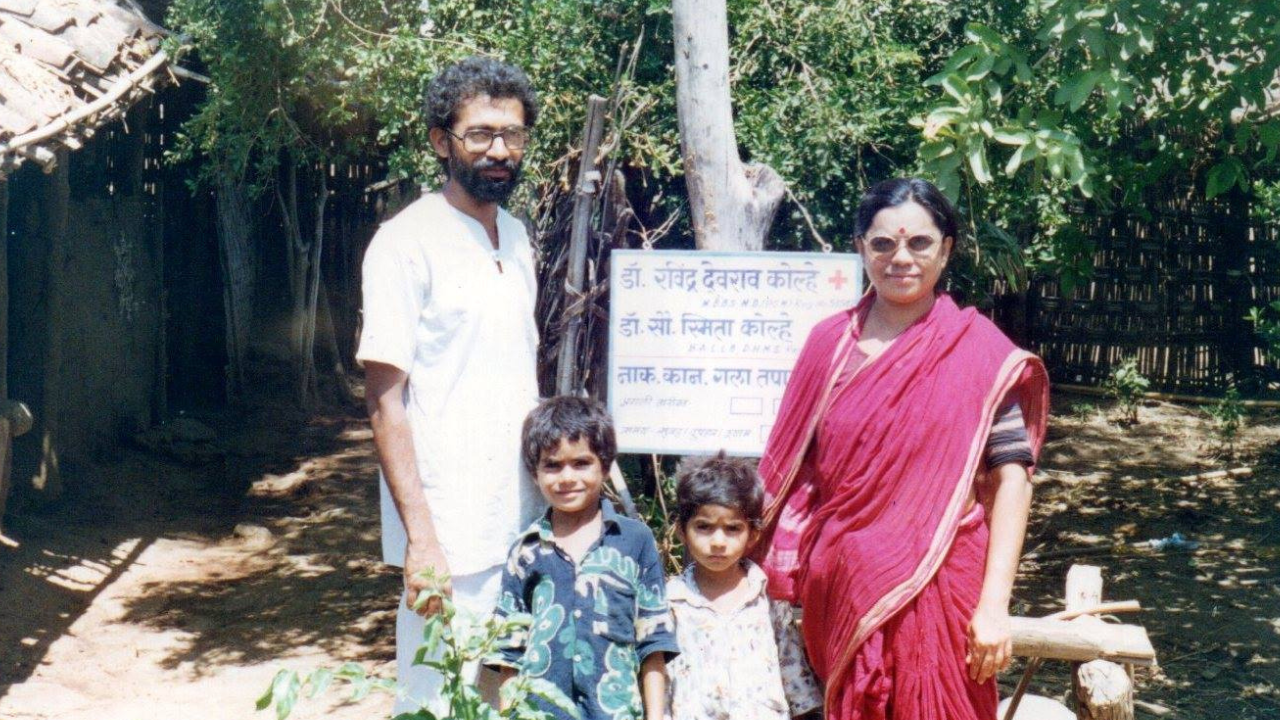
” Two sons came in our lives-Rohit and Raam. They studied in the local school and are now doing what they wanted pursue as career-one became a doctor and the other a farmer. Parents should let their children follow their own path. We are glad we supported our children in their endeavors.”
Then something happened that changed everything
When their own newborn child became critically ill with pneumonia, meningitis, and septicemia, they were advised to leave immediately for advanced treatment in a city hospital. Instead, Dr. Smita chose to treat the child within the same limited conditions available to every villager.Nothing was spoken, yet everything changed. The villagers realised that the doctors’ lives were intertwined with their own, and in that shared vulnerability, acceptance deepened into lasting trust.
Healing meant more than medicine
The Kolhes soon understood that disease in Melghat was rooted in something deeper than infection. Hunger, failing crops, and poverty shaped health long before patients reached a clinic.In 1990, the infant mortality rate in the region was devastating, around 200 deaths per 1,000 births. Many losses were preventable, but prevention required changing everyday living conditions. So the couple expanded their idea of healthcare.They educated mothers about nutrition and prenatal care. They stayed through difficult deliveries. They treated children relentlessly. Slowly, survival replaced resignation. Over the years, infant mortality dropped dramatically to fewer than 40 deaths per 1,000 births.
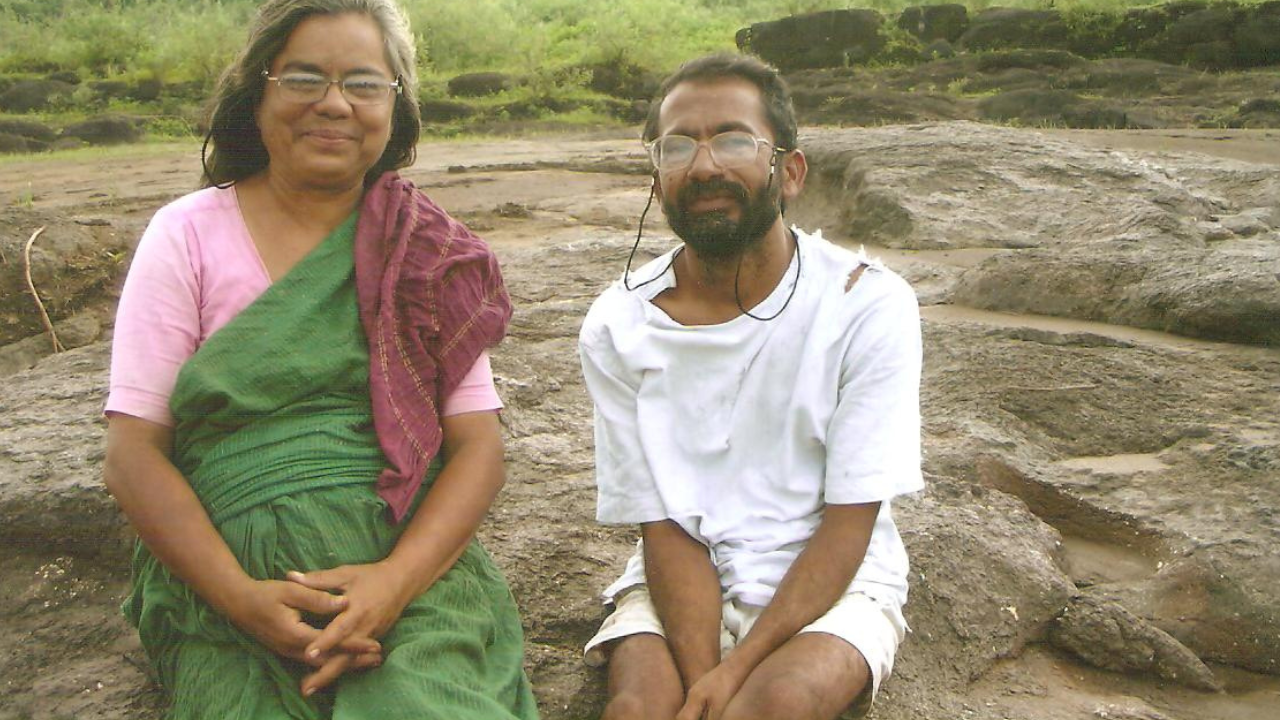
But even that was not enough. The Kolhes soon realised that illness in Bairagarh did not begin in the body alone; it began in empty kitchens and uncertain harvests. When villagers approached them for help with farming, Dr. Kolhe made an unexpected choice. Instead of limiting himself to medicine, he began studying agriculture, determined to understand the roots of the community’s struggles.The couple introduced improved crops, sustainable farming practices and practical techniques suited to the region’s harsh conditions. When hesitation held farmers back, they chose action over persuasion, cultivating the land themselves to prove that change was possible.Slowly, the results became visible. Better harvests meant fuller meals. Improved nutrition strengthened children. Stable incomes replaced constant insecurity. In time, it became clear that healing in Bairagarh was no longer happening only inside a clinic. Medicine and agriculture had merged into a single purpose, restoring not just health, but hope.
Asking for roads instead of a house
Years later, when officials offered to build a house for the couple in recognition of their service, Dr. Smita made a different request. Not a home for them, but roads, electricity, and infrastructure for the village.It was a small decision that revealed everything about how they saw their work. Progress was meaningful only if it reached everyone.Gradually, Bairagarh changed. Better roads connected the village. Access to rations improved. Awareness camps educated young people about health, farming, and government schemes. What once felt isolated slowly began to feel hopeful.
A legacy built quietly
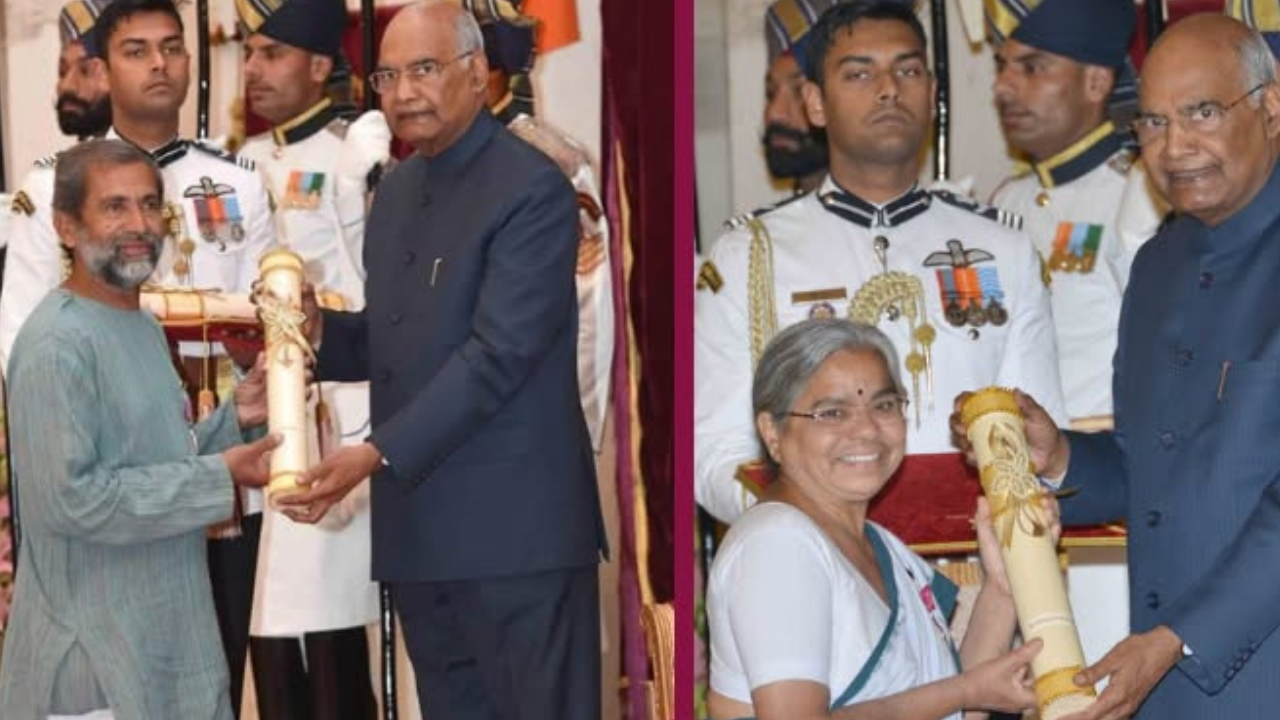
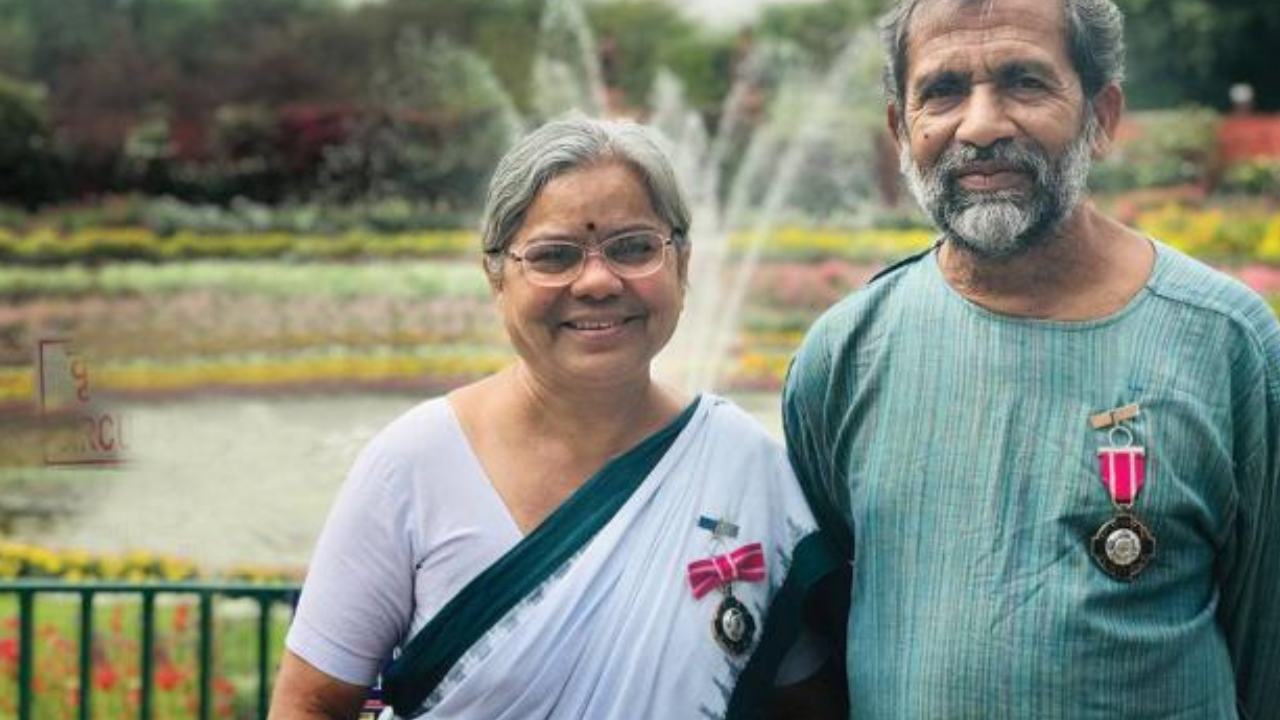
In 2019, the Government of India honoured Dr. Ravindra and Dr. Smita Kolhe with the Padma Shri, recognising decades of quiet service that had transformed tribal healthcare in one of Maharashtra’s most neglected regions. For many across the country, it was the first time they heard of the couple who had spent more than thirty years working far from recognition or visibility. But in Bairagarh, their legacy had been felt long before any award arrived, in children who survived, in safer childbirths, and in families who no longer faced illness with helpless acceptance.Their journey does not fit the rhythm of modern success stories. There were no dramatic turning points, no sudden breakthroughs, and no moments of overnight change. Progress came slowly, almost invisibly, built through patience and persistence. Just steady work, repeated every single day, year after year, until change quietly became permanent.Two doctors who chose to live where help was needed most and stayed long enough for hope to take root. Sometimes, transformation does not arrive through grand systems or sweeping reforms. Sometimes, it begins with a person willing to walk where the road ends… and decide not to walk back.