


Thousands of people could be saved from bowel cancer thanks to a major change to the NHS screening programme announced today.
From next month, NHS England will make its home testing kits more sensitive by lowering the threshold that triggers urgent cancer checks.
The level will drop from 120 micrograms of blood per gram of faeces down to 80 micrograms. It’s a change that health officials say could detect around 600 extra bowel cancers at an early stage each year – that’s roughly an 11 per cent increase.
The move also means about 2,000 more people with high-risk polyps will be identified, giving them the chance to have preventative surgery before cancer ever develops.
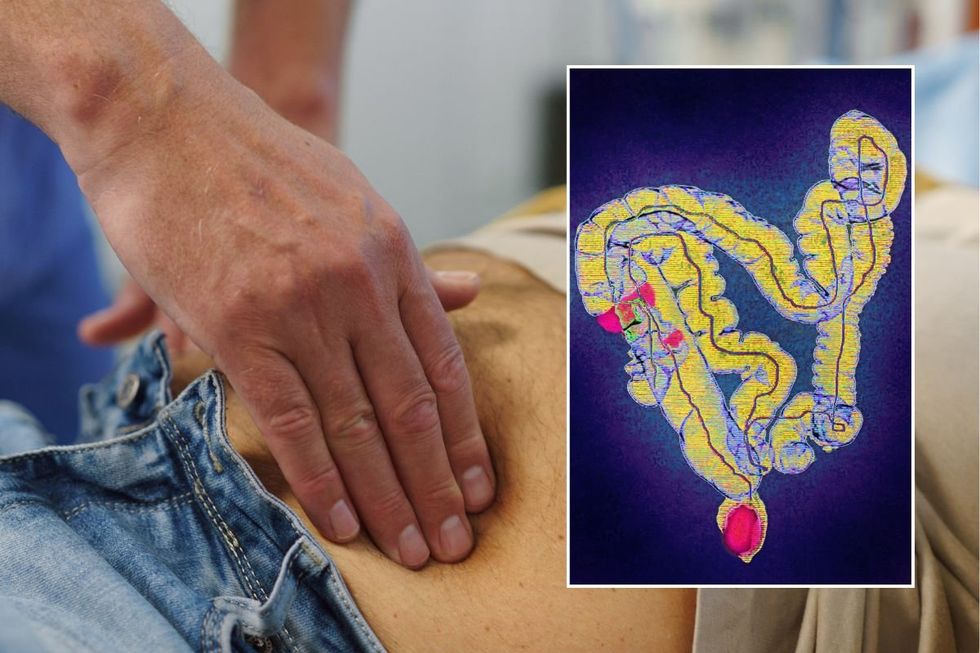
NHS England will make its home testing kits more sensitive
|
GETTY
The home testing kit, called the faecal immunochemical test or FIT, gets sent to everyone aged 50 to 74 every two years.
It involves popping a small stool sample into a tube and sending it back by post for analysis.
The kit itself won’t change, but the lower threshold means the NHS expects to carry out 35 per cent more screening colonoscopies annually, marking a jump in the number of people getting checked to either diagnose or rule out the disease.
Currently, about two in every 100 people who complete the test need further checks. With the new, more sensitive threshold, that’s expected to rise to three in 100.
Peter Johnson, national clinical director for cancer at NHS England, said: “This is a major step forward in bowel cancer detection and will help save hundreds more lives.
“Testing at a lower threshold will provide a better early-warning system, helping us spot and treat cancers earlier, often before symptoms appear.”
He added that earlier detection often means less intensive treatment and the best chance of survival.
Genevieve Edwards, chief executive of Bowel Cancer UK, called it “an important moment” for screening in England.
She said: “Increasing the sensitivity of the test means more cancers will be prevented and found earlier, saving more lives from the UK’s fourth most common cancer.”
Michelle Mitchell from Cancer Research UK urged everyone to complete their tests, noting that bowel cancer is the second-biggest cause of cancer death in England.
The rollout follows a successful pilot at eight early-adopting services, which found more than 60 additional cancers and nearly 500 high-risk polyps.
Following recommendations from the UK National Screening Committee, the lower threshold will be rolled out across the country by March 2028.
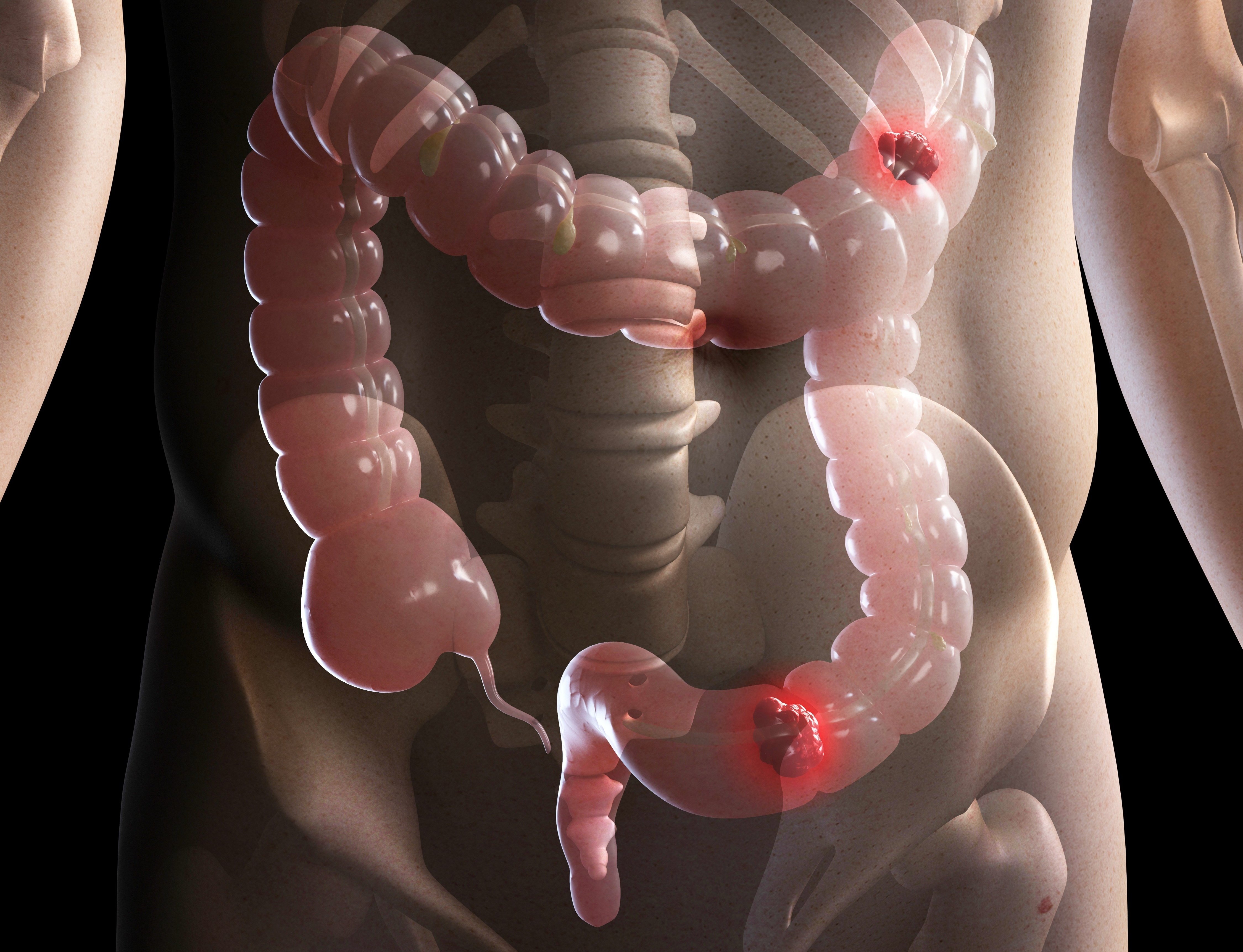
‘More cancers will be prevented and found earlier’
|
GETTYOnce it’s fully in place, late-stage diagnoses and deaths are expected to fall by around 6 per cent, while saving the NHS an estimated £32million annually.
There’s also good news on the digital front – from February, the NHS App will start sending alerts to let people know when a testing kit is on its way.
Anyone who prefers letters by post will still receive them, including those newly eligible for bowel cancer screening.


