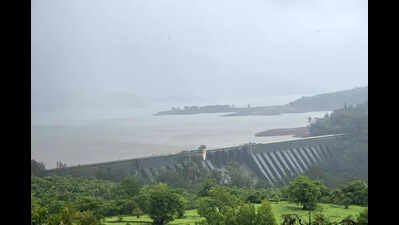
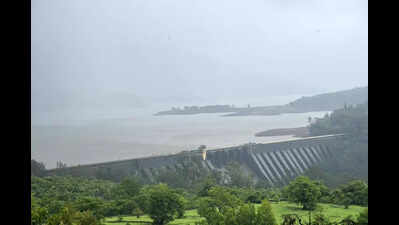
Kolhapur:The average live stock of water in nearly 3,000 dams of Maharashtra is 998 TMC at present, nearly 70% of the total capacity of reservoirs and about 8% more than that in last year.According to the irrigation department officials, the live stock of usable water in the dams is enough for water needs during the summer months starting from March 1. Last year, these dams — large, medium and small — across six divisions in the state had nearly 62% usable water stock.
Dams in Amravati, Nashik and Chhatrapati Sambhajinagar divisions have average live water stock above the state average of 70%. Reservoirs in Pune, Konkan and Nagpur have live water stock below the state average.The 3,000 and odd dams in the state have a total capacity of 1,700 TMC, out of which 1,431 TMC is drawable — the live storage. The usable water in these dams at present is 998 TMC.A senior official of the water resources department, requesting anonymity, said, soon a state Canal Advisory Committee meeting would be held under water resources minister Radhakrishna Vikhe Patil to plan the water use during the summer. The rainfall predictions are taken into account with the summer temperatures while panning the water use because some portion of water from the dams is lost in evaporation. The irrigation department goes conservative in releasing water from the dams in years the monsoon is delayed.The official said, “Rabi crops require less water. Still, there were demands from farmers for water. Recently, we completed one to two rotations (of water release) of 15 days to meet the irrigation needs. For instance, one rotation of water release was just completed from Ujani dam for irrigating crops such as gram and wheat. The demand for water is increasing as the sugarcane is harvested and farmers want to water their field to get a new crop from shoots left in the field.“Sudhir Patil, a grape farmer from Yelavi village of Sangli district, said, “The water levels are going down in wells. The canals are dry right now. Grapes require nutrient-rich dam water for sweetness. We have been told by the irrigation department officials that water has been released from dams, but it takes time to reach us through canals.”Monsoon was in excess last year. Most dams were filled to their brim. According to weather forecasters, the El Nino phenomenon is a possibility this time. It may delay or weaken the monsoon this year. The IMD comes up with El Nino predictions only in April, but American and Australian weather agencies predicted a possibility of an El Nino effect based on the studies.During an El Nino year, the usual flow of moist winds towards India is disrupted. This change reduces the volume of rainfall in India between June and Sept. In the past, strong El Nino events led to serious drop in rainfall, late arrival of monsoon and dry spells in key agricultural states.Since 1950, there have been 16 El Nino years. It had an impact on the Indian monsoon in seven years.D