
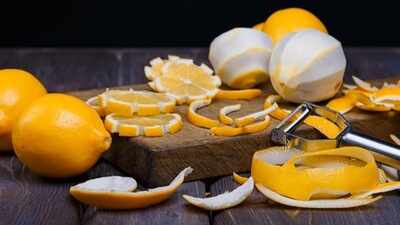
Most kitchens go through lemons at a steady clip, a squeeze here for a dal, a wedge there for a drink, a bit of juice for a marinade, and the peel almost always ends up straight in the bin without a second thought. That’s a bit of a waste, honestly, because the peel is where a lot of the lemon’s natural oils and fragrance actually live, and those oils happen to be useful for far more than just flavouring food. From cleaning grease off pans to freshening up a cutting board to giving a room a genuinely pleasant citrus smell without spraying anything artificial, lemon peels have quietly earned a reputation among people who like getting a bit more mileage out of what they’d otherwise throw away. Here’s a rundown of what you can actually do with those peels before they head to the compost bin.
Cut through grease on dishes and countertops
Lemon peels are surprisingly effective at breaking down grease, largely thanks to the natural acids and oils packed into the rind. For a stubborn greasy pan or an oil-stained countertop, sprinkle a bit of salt on the area first, then scrub with the inside of a lemon peel, letting the combination of acidity and mild abrasion do the work that a synthetic degreaser would otherwise handle. It works particularly well on stovetops and kitchen counters where grease tends to build up gradually over weeks of cooking, and it leaves behind a noticeably fresher smell than most store-bought sprays manage.
Make a natural all-purpose cleaning spray
One of the more popular uses for leftover peels is turning them into a homemade cleaning solution that costs next to nothing to put together. Drop a handful of peels into a glass jar, cover them completely with white vinegar, and let the mixture sit for around one to two weeks, giving the vinegar time to pull out the lemon’s natural oils and acidity. Once strained into a spray bottle, the resulting liquid works as a genuinely effective surface cleaner for kitchen counters, bathroom tiles and other everyday spots that need regular wiping down, without relying on any harsh chemical ingredients.

Freshen up cutting boards and wooden surfaces
Wooden cutting boards tend to hold onto smells long after the actual cooking is done, particularly if they’ve been used for anything with garlic, onion or fish. Rubbing a lemon peel along the grain of the board, following the direction of the wood rather than working across it, helps lift both the odour and a fair bit of surface grime at the same time. The natural acidity also works as a mild disinfectant, which makes this one of the simplest ways to keep a wooden board smelling clean between deeper washes.
Deodorise the garbage disposal or kitchen bin
Kitchen sinks and garbage disposals are notorious for holding onto smells no matter how often everything else gets cleaned. Dropping a few lemon peels into the disposal and running it briefly helps cut through lingering odours, and dipping the peel in a little baking soda first gives it extra scrubbing power against anything stuck to the blades. For a bin that’s started smelling a bit off between bag changes, tucking a peel or two near the base does a similar job of masking and neutralising odour without needing a chemical air freshener.
Polish brass, copper and stainless steel
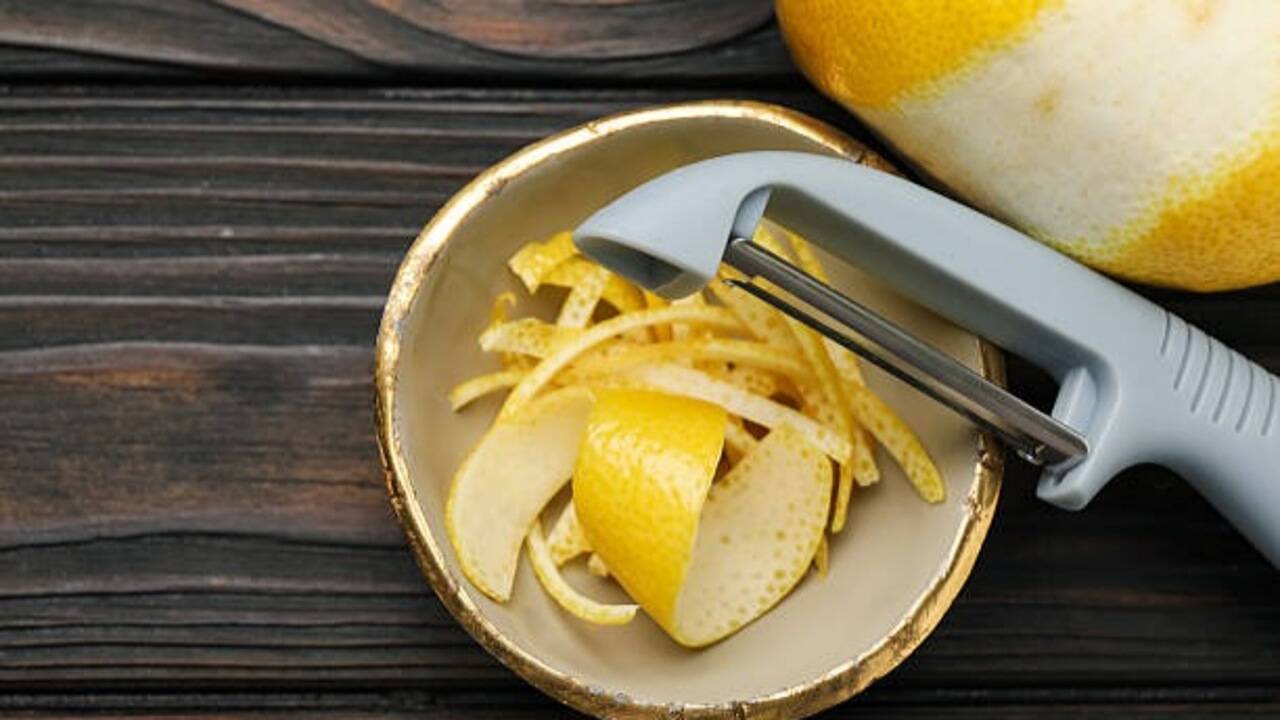
The same acidity that cuts through kitchen grease also happens to work well on tarnished metal. Rubbing a lemon peel over dull brass, copper or stainless steel fixtures, sometimes with a pinch of salt added for extra abrasion, helps restore some shine without resorting to a commercial metal polish. It’s a particularly handy trick for smaller items like taps, cutlery or decorative brassware that don’t need a full-scale cleaning session but could use a quick brightening up.
Freshen the air naturally
Simmering a pot of water with a handful of lemon peels on the stove for ten to fifteen minutes fills a room with a clean, citrusy scent far more naturally than most aerosol air fresheners manage, and it’s an easy way to get some use out of peels that might otherwise be tossed the same day. Dried lemon peel also works well tucked into drawers, shoe cabinets or gym bags, where it quietly absorbs some of the mustier smells that build up in enclosed spaces over time.
Add flavour to recipes
Before the peel goes anywhere near a cleaning task, it’s worth considering whether it can go into food first. Zesting a lemon before using its juice, rather than throwing the whole peel away afterwards, adds a noticeable citrus lift to baked goods, salad dressings, pasta sauces and marinades. Zest can also be dried and stored for later use or frozen in small portions, giving you a ready supply of flavour without needing a fresh lemon every time a recipe calls for it.
Disclaimer:
The uses mentioned in this article are based on general household practices and traditional tips. Results may vary depending on surface type, material and usage. Readers with sensitive skin, surfaces prone to acid damage, or specific health conditions are advised to do a patch test or consult a professional before trying any of these methods.