Most of us grew up being told to eat our greens, usually by a parent or grandparent standing over the dinner table, and honestly, they weren’t wrong. Leafy vegetables are some of the most nutrient-dense foods you can put on a plate, quietly packing in calcium, iron, and fibre in a way few other food groups manage. The best part is, you don’t need anything exotic or hard to find, most of these are already sitting at your local vegetable vendor, waiting to be tossed into a sabzi or blended into a smoothie. Here are five leafy greens genuinely worth making a regular habit, not just an occasional side dish.
Spinach (Palak)
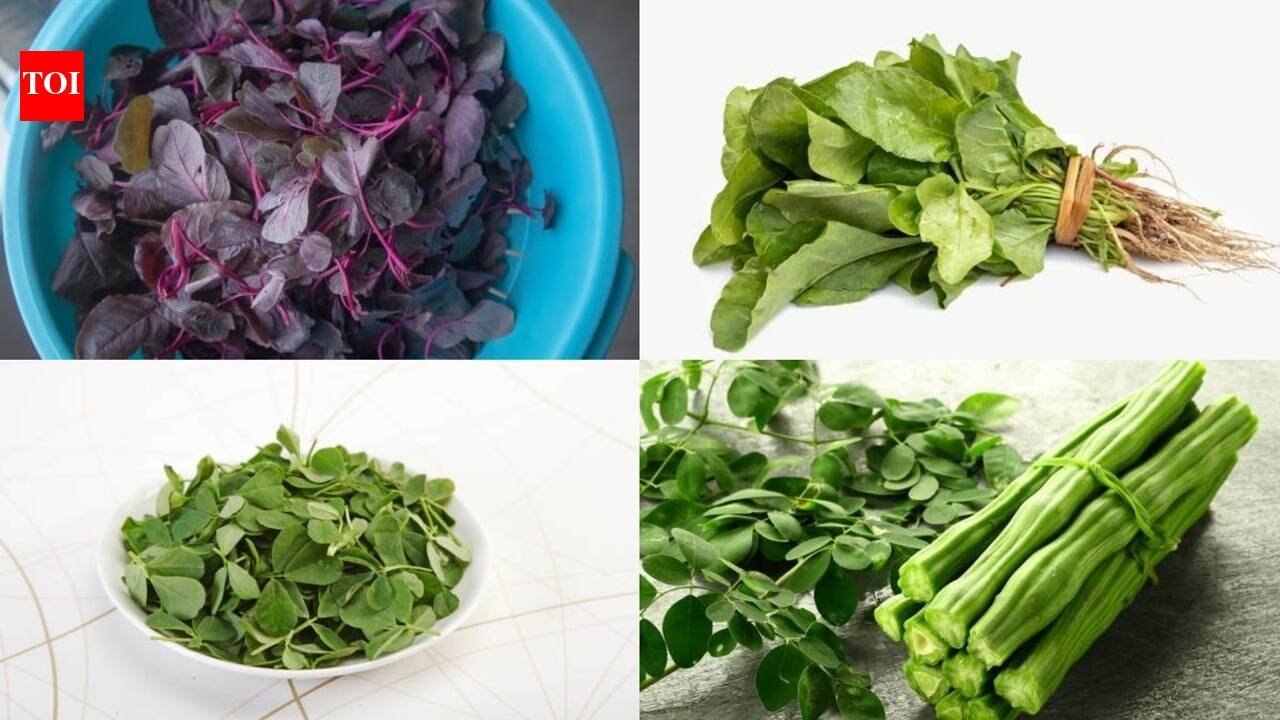
If there’s one leafy green that gets talked about the most, it’s spinach, and it earns that reputation fairly. It’s loaded with iron, which makes it a genuinely useful addition for anyone dealing with low energy or mild anaemia, though the iron in spinach is a plant-based, non-heme form that the body doesn’t absorb quite as efficiently as iron from meat. Pairing it with something rich in vitamin C, like a squeeze of lemon or a side of tomatoes, actually helps your body absorb more of it. Beyond iron, spinach brings in a decent dose of calcium and fibre too, and it’s versatile enough to go into everything from a simple palak sabzi to a quick soup or even a smoothie if you’re trying to sneak greens into your morning routine.
Fenugreek leaves (Methi)
Methi has a slightly bitter edge that not everyone loves right away, but it’s worth pushing through, because this leafy green punches well above its weight nutritionally. It’s a solid source of iron and fibre, and some early research suggests fenugreek may also help support healthy blood sugar levels, though it shouldn’t replace any prescribed treatment for diabetes. The bitterness actually mellows out beautifully when cooked with a bit of garlic, onion, and a pinch of sugar, which is exactly why methi thepla and methi aloo have stuck around as household favourites for generations. It’s one of those greens that tastes better the more you get used to it.
Amaranth leaves (Chaulai/Thotakura)
Amaranth leaves don’t get nearly as much attention as spinach or methi, but they genuinely deserve a spot on this list. They’re particularly rich in calcium, making them a smart choice for anyone looking to support bone health without relying entirely on dairy. Amaranth also brings a good amount of iron and fibre to the table, plus a decent dose of vitamin A, which supports eye health and skin. It cooks down beautifully in a simple stir-fry with garlic and mustard seeds, and its mild, slightly earthy flavour makes it an easy green to introduce to kids who might otherwise turn their nose up at something more bitter like methi.
Drumstick leaves (Moringa)
Moringa leaves have quietly built a reputation as something of a superfood in recent years, and for once, the hype is fairly well earned. They’re exceptionally rich in calcium, iron, and fibre, alongside a genuinely impressive spread of vitamins and antioxidants that few other leafy greens can match in such small quantities. A small handful goes a long way nutritionally, which is part of why moringa powder has become popular as an easy add-in for smoothies and soups for people who don’t have easy access to the fresh leaves. If you do get your hands on fresh moringa leaves, a simple sabzi with dal or a light sauté with garlic brings out their flavour nicely without overwhelming it.
Mustard greens (Sarson)
Mustard greens are best known for making sarson ka saag, that rich, slow-cooked Punjabi dish traditionally paired with makki di roti, but their nutritional value goes well beyond just flavour. They offer a good amount of calcium and fibre, along with a decent iron content, and their slightly peppery, bold flavour makes them a genuinely enjoyable green rather than something you eat purely out of obligation. Cooking them low and slow with a bit of ghee helps mellow their sharpness while keeping most of their nutrients intact, and leftover saag reheats well too, making it a practical option for meal prep during the colder months when mustard greens are in season.
Disclaimer:
This article is for general informational purposes only and does not constitute medical advice. Nutrient absorption and individual needs can vary based on age, health status, and existing medical conditions. Please consult a qualified doctor or registered dietitian before making significant dietary changes, especially if managing anaemia, diabetes, or other health conditions.