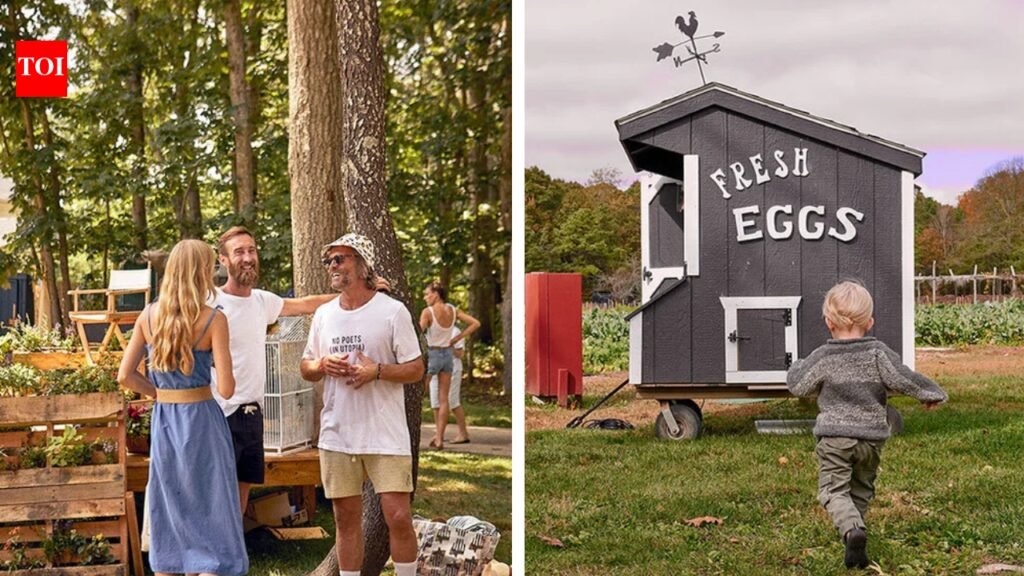
A wooded property on Long Island has become a place where farming, animal care and community activities share the same space. The project is Mama Farm, founded by actress Isabella Rossellini in Brookhaven, New York, in 2013. According to the Peconic Land Trust, Rossellini donated a conservation easement in 2012 that protects 20.8 acres of the property. The farm combines food production with biodiversity initiatives and educational activities for families and children. Its community-supported agriculture programme also connects members with the food grown on the land, making the property a working example of how conservation and community life can go hand in hand.
From a wooded property to a protected farmstead
Rossellini established Mama Farm with the idea of bringing agriculture and nature together. The original 27-acre property provided space for growing food while retaining its woodland character. Protecting the land became an important part of the project. The Peconic Land Trust helped conserve 20.8 acres through a conservation easement. This legal arrangement restricts certain forms of development and land use to preserve a property’s natural or agricultural value. The land remains privately owned, but the agreement helps protect it from development that could compromise its conservation purpose.The arrangement is particularly relevant on Long Island, where development can put pressure on open spaces and agricultural land. Protecting most of the property helps ensure that farming and nature remain part of its future. Mama Farm’s current website describes the property as 28 acres, while earlier accounts refer to the original farmstead as 27 acres. Its activities have also expanded beyond growing food to include animal care, biodiversity and environmental education.
Growing food while caring for biodiversity
At Mama Farm, farming practices are closely connected with its environmental goals. According to the farm’s official website, crops are grown from heirloom seeds using organic and regenerative agricultural techniques. Farmer Patty Gentry is associated with its growing operations. The farm says it avoids pesticides, herbicides, insecticides and environmentally harmful fertilisers. These practices reflect its aim of producing food while limiting the potential impact of agriculture on the surrounding environment.Animals are another part of the property. Its sanctuary includes heritage-breed chickens and turkeys, sheep, goats, quail, ducks and other animals. According to Mama Farm, the animals are not slaughtered, although eggs and honey are among the products offered through its community-supported agriculture programme. The use of heirloom seeds and heritage breeds also highlights the importance of agricultural diversity. By keeping traditional varieties and breeds part of a working farm, Mama Farm connects food production with the preservation of older agricultural practices.
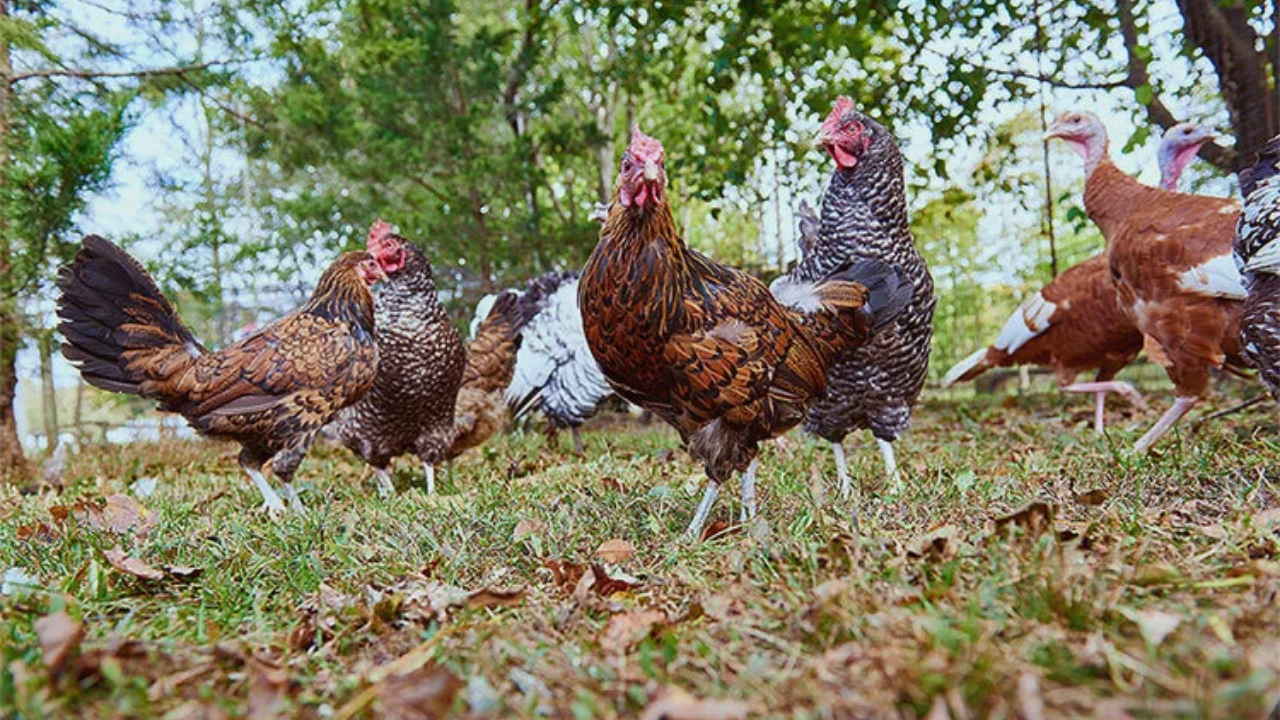
Mama Farm runs a community-supported agriculture (CSA) programme through which members receive shares of the farm’s produce (Image Credit: Mama Farm)
How the community-supported agriculture programme works
Mama Farm runs a community-supported agriculture (CSA) programme through which members receive shares of the farm’s produce. The model creates a direct connection between the people growing food and those who consume it. Mama Farm offers eggs and honey through its CSA programme, while vegetable shares are arranged with farmer Patty Gentry. The programme connects members with local food production and gives them a closer understanding of where their food comes from.The programme also helps make farming more accessible. Growing food requires planning, attention to the seasons and ongoing care for the land. A CSA gives members a closer view of that process and encourages a relationship with the farm that goes beyond shopping. At Mama Farm, the programme forms part of a wider effort to bring people closer to agriculture while maintaining the property’s role as a protected working landscape.
Children’s activities, workshops and a place to gather
Mama Farm’s work extends beyond food production. Its activities include workshops, children’s programmes, theatre and avant-garde films, offering visitors different ways to explore environmental themes and community life. The farm’s website describes its atmosphere as inspired by the Italian piazza, a traditional public square where people gather and exchange ideas. This concept reflects the intention to create a shared space where visitors can spend time together, learn and engage with their surroundings.Children can encounter farm animals and explore the outdoors, while workshops provide opportunities to learn about nature and agriculture. These activities bring environmental themes into the farm’s community programmes. The conservation easement provides a foundation for these initiatives by helping protect the land on which they take place.Mama Farm brings together sustainable agriculture, animal care and community participation, showing how protected land can remain productive and accessible. Through the project, Rossellini has linked the preservation of a New York farmstead with practical activities that connect people to food, animals and the natural environment. Its approach demonstrates how conservation can become part of everyday community life while helping safeguard agricultural land for the future.