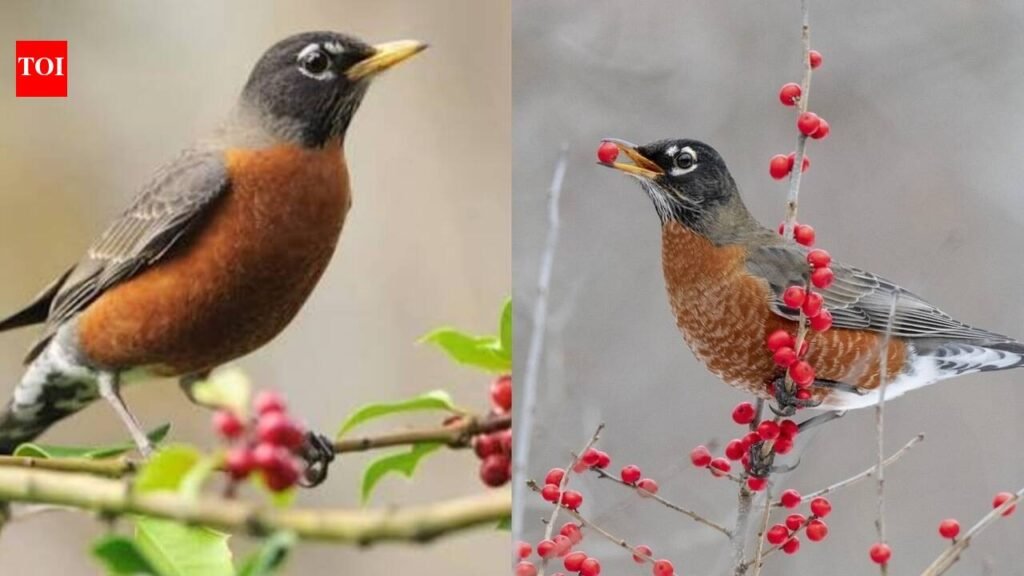
As the crisp air of autumn settles in and gardens begin trading their summer blooms for golden leaves, many bird lovers start wondering how to keep their feathered visitors coming back even as natural food sources dwindle. While seed feeders and suet blocks are the usual go-to options, there is one surprisingly simple trick that seasoned birdwatchers swear by: leaving out a single humble fruit. Robins, with their cheerful red breasts and curious hopping gait, are known to be irresistibly drawn to this offering, and gardeners who try it often report a noticeable increase in robin visits throughout the entire autumn season. Here is why this trick works so well and how you can use it to turn your garden into a robin haven this year.
The fruit in question: Raisins
The unassuming hero of this hack is the humble raisin. It might not sound glamorous, but robins have a genuine weakness for these small, sweet, dried fruits. Robins commonly symbolize the arrival of spring, though they’re actually a familiar sight all year round, and as temperatures begin to dip in autumn, their usual food sources start becoming harder to come by. That is precisely where raisins step in as an easy, energy-dense snack that robins find genuinely hard to resist, making them one of the simplest additions any gardener can make to their outdoor feeding routine this season.
Why autumn makes this trick especially effective
Winter can become a struggle for robins, with the drop in temperature disrupting their usual routine and putting pressure on their food supply of wild berries, insects and seeds, and that decline actually begins setting in well before winter arrives, right around autumn. As the ground hardens and insect activity slows, robins increasingly rely on fruit to make up the bulk of their diet. In fact, the National Audubon Society notes that fruit accounts for perhaps 60% of a robin’s diet year-round, which explains why a steady offering of raisins during this transitional season can make such a noticeable difference to how often robins visit your garden.
Why Robins specifically love raisins
Part of what makes raisins so appealing to robins comes down to convenience as much as taste. Robins tend to enjoy raisins because they are sugary and sweet, and being quick to eat and small to carry, they suit skittish birds like robins who can grab a piece and go. This matters more than it might seem, since robins are naturally cautious birds, always alert to potential predators, and food that can be snatched up quickly without lingering in the open gives them the confidence to keep returning. Over time, as a robin gets used to finding raisins in the same spot, it often becomes a loyal, near-daily visitor, delighting gardeners with its familiar presence.
An important safety warning for dog owners
Before rushing to scatter raisins across your garden, there is a genuinely important caution to keep in mind, particularly for households with dogs. Wildlife experts have flagged that raisins, while perfectly safe for birds, are toxic to dogs, and even a small amount can cause serious harm if ingested. If you have a dog, or if a neighbour’s dog could wander into your garden, the safest approach is to place raisins somewhere inaccessible to pets, such as on a raised bird table or inside an enclosed ground feeder, or to consider a safer alternative like mealworms or a soft bird food mix instead, which robins enjoy just as readily.
How to set raisins out the right way
Simply tossing a handful of raisins onto the grass is not the most effective approach. Since robins are natural ground feeders, low, open feeding spots tend to work best rather than hanging feeders typically used for seed mixes. A shallow dish, a garden table, or even a flat feeding tray placed near a hedge or shrub gives robins both easy access to the food and a nearby retreat if they feel threatened. Soaking raisins briefly in water before putting them out can also make them softer and easier for small robin beaks to manage, particularly as the weather turns cooler and drier food becomes harder to break down.
Other foods that work alongside raisins
While raisins are a stand-out choice, robins are not fussy eaters, and pairing them with a few other options can make your garden even more inviting. Soft foods such as suet, sunflower hearts, and small chopped pieces of apple or pear are readily eaten by robins, especially since they are natural ground feeders that prefer accessible, low-lying food over anything hidden away in tall feeders. Mealworms, whether live or dried, are considered a particular favourite and tend to draw robins in almost immediately, making them a useful addition if you are hoping for quicker results than raisins alone might offer.
Building a robin-friendly garden beyond food
Feeding is only part of the equation when it comes to encouraging robins to settle into your garden long-term. A compost pile, for instance, generates natural warmth and tends to attract the small invertebrates robins instinctively hunt for, giving them yet another reliable food source close to home. Avoiding pesticide use is equally important, since it protects the insects robins rely on and ensures anything they do eat from your garden remains safe. Providing a shallow dish of clean water for drinking and bathing, along with some dense shrubs or hedging for shelter, rounds out a space robins are far more likely to treat as home.
What to avoid feeding robins
Not every kitchen scrap is suitable for these small birds, and it helps to know what to leave out of the mix. Seed blends containing large items like dried peas, beans, rice, or wheat are unsuitable for robins, since their small beaks and bodies are not built to handle them. Bread, while often eaten by birds, lacks the nutritional value robins need to stay warm and energised through the colder months, and milk should never be offered, as birds are simply unable to digest it properly. Sticking to soft, energy-rich foods like raisins, mealworms, and chopped fruit remains the safest and most effective route.
A small habit with a big reward
What makes this particular hack so appealing is how little it actually demands. A small handful of raisins, something most households already have tucked away in a kitchen cupboard, can be the difference between robins passing briefly through your garden and robins choosing to make it a regular stop throughout autumn. Watching one hop confidently across the lawn, pause to size up its surroundings, and then dart in for a quick bite is a small, quietly rewarding moment that many gardeners look forward to as the season cools. With autumn now well underway, it might be worth checking your pantry for that overlooked box of raisins and giving this simple, expert-backed trick a try.
Disclaimer:
This article is intended for general informational purposes and reflects commonly observed bird-feeding practices. Robin behaviour can vary by region, local food availability, and individual bird habits, so results are not guaranteed. Always use unwaxed, pesticide-free fruit when feeding garden birds, avoid leaving out spoiled or mouldy food, and consult local wildlife or gardening authorities for region-specific advice on responsible bird feeding.