
Ofgem has announced a seven per cent reduction, the equivalent of £117, to the energy price cap for the period covering April 1 to June 30, 2026. According to the energy regulator, this change comes to a reduction of around £10 a month for the average household using both electricity and gas.
The energy price cap sets the maximum rate per unit and standing charge suppliers can charge households with average energy usage. As a result of this change, families paying direct debit for gas and electricity will pay £1,641 per year.
Notably, Ofgem cited recent Government budget interventions relating to policy costs as the main cause of energy bills falling, with Chancellor Rachel Reeves slashing £150 off costs from July.
Furthermore, Ofgem confirmed a pilot for lower standing charge tariffs will begin from this spring to bring greater choice for consumers, particularly those with low energy usage. This initiative will be available for eligible customers of EDF, E. ON, Octopus and British Gas.

The energy price cap has dropped
|
GETTY
Tim Jarvis, the director general for Markets, at Ofgem, said: “Today’s announcement will be welcome news for many households. Wholesale energy prices have fallen in recent months, and we’re investing in our network to safeguard the future energy system.
“The main driver of today’s reduction is the change to policy costs announced by the Chancellor in the budget. Our focus at Ofgem remains on bearing down on the costs within our control, and unlocking the investment needed to support the transition to a more stable energy system over the longer term.
“We’re also seeing encouraging signs of greater engagement and competition, with switching increasing by almost 20 per cent year on year. More households are choosing time‑of‑use tariffs that offer cheaper off‑peak rates, and suppliers are offering a wider range of products, including deals with savings on evenings or weekends.
“The price cap protects households from overpaying for energy, but it’s a safety net. Last year, consumers on fixed deals paid around £115 less than the cap on average, so we’d encourage people to speak to their supplier about the options available and consider whether a different tariff or payment method could help bring their bills down further.”
 Ofgem regularly changes the energy price cap every quarter | GETTY
 Britons are saddled with billions in energy debt | GETTY
 Which? energy editor Emily Seymour said: “Households can expect a significant cut to their energy bills in April, which will come as a relief to millions of people struggling with cost-of-living pressures.
“The bulk of this change is expected to be applied to your electricity price per unit, so your exact savings will depend on your usage; look out for communications from your energy provider in the coming weeks to see how it will affect your bills.”
Simon Francis, co-ordinator of the End Fuel Poverty Coalition, reminded families to check the prices of in unit costs and standing charges, rather than focus on the headline “average energy bill”.
Mr Francis said: “We know that energy bills can be confusing and trying to decide when to switch tariffs or change supplier is a big decision which can overwhelm people.”
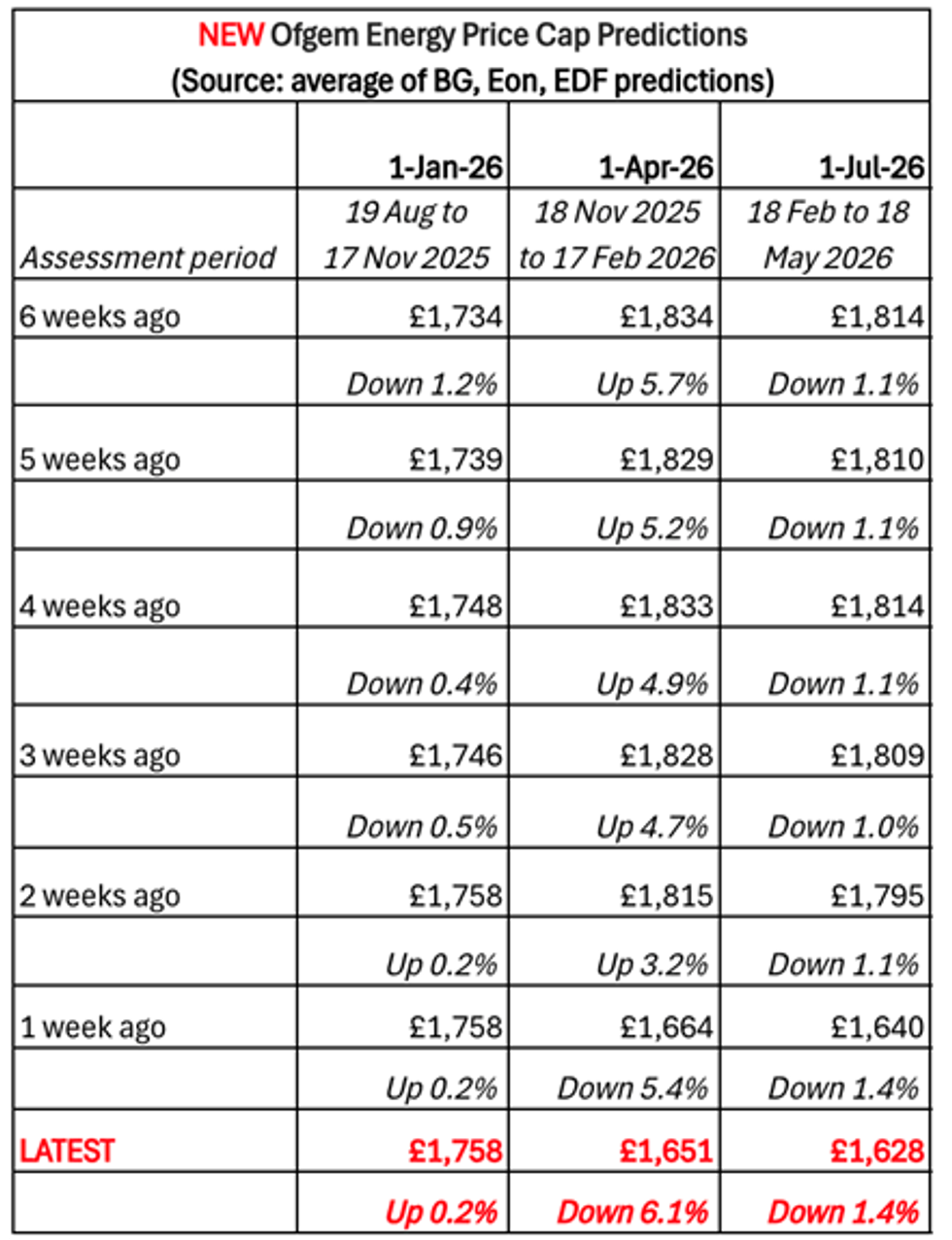 How will the Ofgem energy price cap change this year year? | MARTIN LEWIS / X
Prime Minister Sir Keir Starmer said: “Energy bills are at the front of everybody’s mind, and I know they’ve been too high for too long. I promised to bring bills down and I meant it. And today – because of the actions this Government took at the last budget – the price cap on energy bills has come down by £117.
“That means lower energy bills for millions across the country, but I know there is more to do and my Government is pulling every lever to bear down on the cost of living and protect the pound in the pockets of working people.”
Chancellor Rachel Reeves added : “Cutting the cost of living is this Government’s number one priority, and I know energy bills are one of the biggest concerns. That’s why at the Budget I said we would bear down on energy bills.
“We are cutting the cost of living, cutting the national debt and creating the conditions for growth and investment in every part of the country.”