

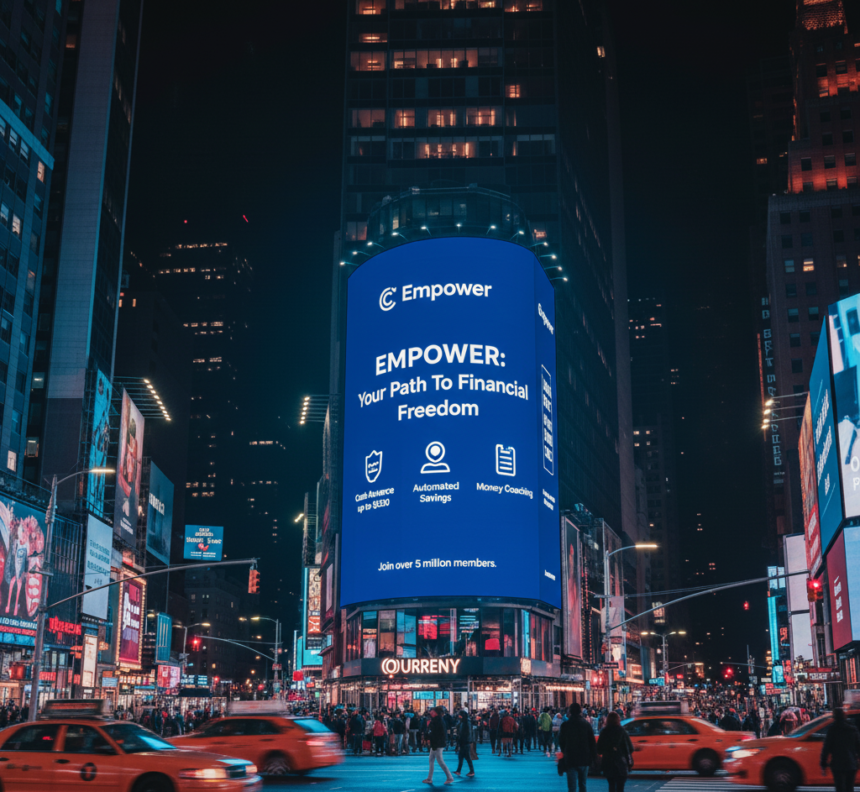
Empower App Review 2026: In today’s rapidly evolving world, the concept of empowerment has transformed from a buzzword into a fundamental human need. True empowerment isn’t about power over others, but power over your own life—the ability to make informed decisions, take meaningful action, and create the future you envision. Whether in personal finance, career development, or emotional well-being, empowerment represents the intersection of knowledge, confidence, and agency that enables individuals to navigate life’s complexities with purpose and resilience.
The digital age has revolutionized how we approach empowerment, providing unprecedented access to tools, information, and communities that previous generations could scarcely imagine. Financial technology platforms like Empower demonstrate how modern solutions can transform daunting challenges into manageable, actionable insights. By securely connecting all aspects of your financial life in one place, such platforms exemplify how seeing the “full picture” fundamentally changes your relationship with money—and by extension, your relationship with possibility itself.
This comprehensive guide explores the multidimensional nature of empowerment across life’s most critical domains. We’ll examine not just what empowerment means theoretically, but how you can practically achieve it through actionable strategies, mindset shifts, and the right technological tools. From building financial independence to cultivating emotional resilience, from advancing your career to strengthening your community, this article provides a roadmap for reclaiming your agency in an increasingly complex world.
The Psychology of Empowerment: Building Your Mental Foundation
Understanding the Empowerment Mindset
Empowerment begins in the mind—specifically, with what psychologists call an “internal locus of control.” This foundational concept refers to the belief that your actions directly influence outcomes in your life, rather than attributing events to external forces, luck, or fate. Research consistently shows that individuals with a strong internal locus of control experience lower stress levels, higher achievement, and greater life satisfaction because they approach challenges as problems to be solved rather than insurmountable obstacles.
The transition from a passive to an empowered mindset involves several cognitive shifts. First is moving from a fixed mindset (“I am who I am”) to a growth mindset (“I can develop and improve”). Second is transforming scarcity thinking (“There’s never enough”) to abundance thinking (“Opportunities exist if I know how to find them”). Third is replacing helplessness (“Things happen to me”) with agency (“I can influence outcomes”). These shifts don’t happen overnight, but through deliberate practice and self-awareness, they gradually reshape how you interpret and respond to life’s circumstances.
Neuroscience reveals that empowerment actually changes brain structure and function. When we make decisions and take actions aligned with our values and goals, we reinforce neural pathways associated with agency and self-efficacy. Conversely, prolonged experiences of powerlessness can diminish these same pathways. This neuroplasticity means that empowerment isn’t just a psychological concept—it’s a physiological reality that we can actively cultivate through consistent, intentional practices.
The Self-Efficacy Cycle: How Confidence Builds Upon Itself
At the heart of psychological empowerment lies self-efficacy—the belief in your capacity to execute behaviors necessary to produce specific performance attainments. Psychologist Albert Bandura identified four primary sources of self-efficacy: mastery experiences (past successes), vicarious experiences (seeing others succeed), verbal persuasion (encouragement from others), and physiological feedback (interpreting bodily states positively). Understanding these sources allows you to strategically build your self-efficacy in any domain of life.
The empowerment process follows a predictable cycle that begins with small wins. When you set and achieve manageable goals, you generate evidence of your capability, which boosts confidence to tackle slightly larger challenges. This upward spiral creates momentum where each success fuels the next. Financial empowerment provides a clear example of this cycle—when people gain visibility into their complete financial picture through platforms like Empower, they can set achievable targets like reducing unnecessary subscriptions or increasing retirement contributions by 1%. Each small victory builds confidence to tackle more complex financial decisions.
Overcoming Psychological Barriers to Empowerment
Despite understanding its benefits, many people encounter psychological barriers that impede their empowerment journey. Common obstacles include:
-
Imposter Syndrome: The persistent fear of being exposed as a “fraud” despite evidence of competence
-
Perfectionism: The belief that anything less than perfect is unacceptable, leading to paralysis
-
Fear of Responsibility: Anxiety about the consequences of making autonomous decisions
-
Learned Helplessness: A conditioned belief that one’s actions don’t affect outcomes
Cognitive-behavioral techniques offer powerful tools for overcoming these barriers. These include identifying and reframing disempowering self-talk, gradually exposing yourself to decision-making in low-stakes situations, and consciously celebrating small victories regardless of the outcome. Financial empowerment platforms indirectly address these barriers by providing data-driven insights that reduce uncertainty and “decision paralysis”—when you can see all your accounts in one secure dashboard with “leading security measures like encryption, multi-factor authentication, and fraud protection,” the unknown becomes knowable, and what’s knowable becomes manageable.
Financial Empowerment: Taking Control of Your Economic Destiny
The Foundation of Financial Wellness
Financial empowerment represents one of the most tangible forms of personal agency—the ability to make informed decisions about your resources to support your life goals. According to the Consumer Financial Protection Bureau, financial well-being consists of four elements: control over day-to-day finances, capacity to absorb financial shocks, freedom to make choices that allow you to enjoy life, and being on track to meet financial goals. True financial empowerment addresses all four dimensions simultaneously.
Modern financial technology has revolutionized accessibility to empowerment tools that were once available only to the wealthy. As demonstrated by platforms like Empower, “getting good at money starts when you see the full picture of your investments, cash, credit, and other accounts.” This holistic visibility transforms financial management from a series of disconnected, stressful decisions into a coordinated strategy aligned with your values and life stages. When your financial life becomes transparent and integrated, you shift from reactive money management to proactive wealth building.
The psychology behind financial decision-making reveals why integration matters. Behavioral economists have identified numerous cognitive biases that undermine sound financial choices, from present bias (overvaluing immediate rewards) to loss aversion (fearing losses more than we value equivalent gains). By providing a complete, real-time view of your financial landscape, integrated platforms help counter these biases by contextualizing decisions within your broader financial picture and long-term objectives.
Building Your Financial Empowerment Framework
Creating lasting financial empowerment requires a systematic approach that evolves with your life circumstances. The following framework provides a roadmap applicable across income levels and life stages:
1. Assessment and Awareness: The foundational step—understanding exactly where you stand financially. This means more than knowing your bank balance; it involves calculating your net worth, understanding cash flow patterns, identifying all liabilities, and assessing risk exposure. Digital tools that securely connect all your accounts provide this comprehensive view efficiently and accurately. As Empower notes, such integration helps you “save smarter and spend better” by revealing patterns and opportunities that remain invisible when accounts are examined in isolation.
2. Goal Alignment and Prioritization: Financial goals often conflict in the short term—saving for retirement may compete with saving for a down payment or funding education. Empowerment comes from establishing clear priorities based on your values and time horizons. Effective platforms help you “consider all the details before moving money” and evaluate trade-offs systematically. Research shows that people who align their financial decisions with personally meaningful goals experience significantly higher satisfaction and follow-through rates.
3. Strategic Implementation: This phase translates awareness and goals into action through budgeting, debt management, investing, and protection strategies. Automation plays a crucial role here—by establishing systematic transfers and investments, you leverage behavioral consistency while minimizing decision fatigue. For those with sufficient assets, advisory services can provide professional guidance. As Empower explains, “Advisory services are provided for a fee by Empower Advisory Group” for those investing over specific thresholds, offering personalized strategies beyond what automated tools provide.
4. Continuous Monitoring and Adaptation: Financial lives aren’t static—income changes, markets fluctuate, goals evolve, and unexpected events occur. Regular review processes ensure your strategy remains aligned with current realities. Integrated platforms excel here by providing real-time visibility into how various accounts and investments interact, enabling timely adjustments. This ongoing engagement transforms financial management from an annual chore to an integral part of your empowered life strategy.
Navigating Major Financial Transitions with Confidence
Life transitions often present both financial challenges and opportunities for empowerment. Whether changing jobs, starting a business, getting married, having children, or approaching retirement, each transition requires financial reassessment and strategic adjustment. Empower specifically highlights one common transition: “Roll over your old retirement savings. Changing jobs? You have options for managing your old retirement plan.” Such guidance exemplifies how targeted information at decision points transforms potentially overwhelming choices into manageable decisions.
Consider the job change scenario: research indicates that Americans change jobs 12 times on average during their working lives, often leaving retirement assets scattered across multiple former employers’ plans. Each transition represents an empowerment opportunity—to consolidate accounts for better visibility, adjust investment strategies to reflect changing time horizons, or convert traditional retirement assets to Roth accounts during lower-income years. Without integrated tools and clear guidance, these opportunities often go unrealized, resulting in fragmented retirement savings that undermine long-term security.
Retirement planning itself represents the ultimate financial empowerment challenge—transitioning from wealth accumulation to sustainable distribution across potentially decades of retirement. This phase introduces complex decisions about Social Security timing, withdrawal strategies, tax optimization, and healthcare funding. Those who approach retirement with a comprehensive view of all assets—including old employer plans they may have forgotten—enter this life stage with significantly greater confidence and security.
Digital Tools and Technological Empowerment
The Digital Empowerment Revolution
Technology has fundamentally democratized access to empowerment tools across virtually every life domain. In the financial realm, platforms like Empower demonstrate how digital solutions transform complex challenges into manageable processes: “Tech that helps power your wealth strategy” through integration, visualization, and personalized guidance. This represents just one facet of a broader technological empowerment movement that includes health monitoring apps, educational platforms, civic engagement tools, and professional development networks.
The psychological impact of well-designed empowerment technology cannot be overstated. When tools reduce cognitive load (the mental effort required to process information), they free up mental resources for higher-order decision-making and creative problem-solving. Financial platforms that consolidate information from multiple accounts perform exactly this function—instead of spending mental energy tracking down statements and reconciling numbers, users can focus on strategy and goal achievement. This shift from administrative burden to strategic engagement represents a fundamental empowerment multiplier.
Security considerations represent a critical aspect of digital empowerment tools. As noted in Empower’s materials, “We offer leading security measures like encryption, multi-factor authentication, and fraud protection to keep your data safe.” Trust in these protections enables users to fully engage with digital tools without reservation. This security-confidence relationship extends beyond financial technology to health apps, legal platforms, and other sensitive domains—empowerment requires both capability and the psychological safety to exercise that capability fully.
Maximizing Your Use of Empowerment Technology
While technology provides unprecedented empowerment opportunities, its benefits aren’t automatic. Strategic implementation follows several key principles:
1. Intentional Integration: Rather than accumulating disconnected apps and tools, create an integrated technology ecosystem where tools work together to provide comprehensive insights. For financial empowerment, this might mean connecting budgeting software with investment platforms and banking apps to create a complete financial dashboard. The principle of “seeing the full picture” applies universally—whether tracking health metrics, professional development, or personal projects.
2. Data Literacy Development: Tools provide data, but empowerment comes from interpretation. Developing basic data literacy—understanding trends, correlations, and meaningful metrics—transforms raw information into actionable insight. Quality platforms support this development through clear visualizations, contextual explanations, and educational resources. As you enhance your data literacy, you progressively shift from passive consumer to active analyst of your own information.
3. Automation with Oversight: Automation handles repetitive tasks and enforces positive habits (like regular investing), but human oversight ensures alignment with evolving goals and circumstances. The most effective empowerment tools balance automation with opportunities for review and adjustment. Financial platforms exemplify this balance through features like automated portfolio rebalancing paired with periodic strategy reviews with human advisors when appropriate.
4. Continuous Evaluation: Technology evolves rapidly, as do your needs. Regularly assessing whether your current tools continue to serve your empowerment goals ensures you benefit from advancements while avoiding “tool fatigue” from maintaining obsolete systems. This evaluation should consider not just features but also data portability—can you easily export your information if you decide to switch platforms?
The Future of Empowerment Technology
Emerging technologies promise to further accelerate the empowerment revolution. Artificial intelligence and machine learning enable increasingly personalized recommendations by identifying patterns across vast datasets. Blockchain technology offers new models for identity management and asset control. Virtual and augmented reality create immersive environments for skill development and decision simulation. As these technologies mature, they’ll further reduce barriers between individuals and the tools needed to shape their lives according to their values.
Financial technology offers a glimpse into this future. Imagine AI that doesn’t just analyze your spending patterns but understands your life transitions and proactively suggests adjustments—detecting that your commuting costs have disappeared (indicating possible remote work) and suggesting retirement contribution increases or reallocation of those funds toward other goals. Or visualization tools that use VR to help you experience different retirement scenarios not as abstract numbers but as lived possibilities. These advancements will further close the gap between information and insight, between possibility and action.
Career and Professional Empowerment
Defining Professional Agency in the Modern Workplace
Career empowerment extends beyond promotions and salary increases to encompass genuine agency in your professional trajectory—the ability to shape your work according to your strengths, values, and life circumstances. In an era of rapid technological disruption and shifting workplace norms, professional empowerment means developing both the skills and the mindset to navigate change proactively rather than reactively. This includes traditional advancement within organizations but increasingly encompasses portfolio careers, entrepreneurship, and remote work arrangements.
The foundation of professional empowerment is what economists call “transferable human capital”—skills, knowledge, and relationships that retain value across employers, industries, and economic conditions. Unlike organization-specific knowledge that ties your value to a particular company, transferable capabilities provide optionality and resilience. Building this capital requires strategic investment in continuously relevant skills (especially digital literacy and adaptive thinking), diverse professional networks, and a personal brand that communicates your unique value proposition.
Psychological factors significantly influence professional empowerment. Research identifies “career self-efficacy” as a critical determinant of both satisfaction and advancement—the belief that you can successfully perform the tasks necessary to achieve your career objectives. This self-efficacy develops through what psychologists call “enactive mastery experiences” (tackling challenging projects successfully) and is reinforced by supportive mentors and professional communities. Modern digital platforms amplify these traditional development pathways by providing access to global learning resources and professional networks previously limited by geography and organizational boundaries.
Strategies for Building Career Empowerment
Building lasting professional empowerment requires a multipronged approach that balances immediate performance with long-term development:
1. Skill Stacking for Strategic Advantage: Rather than pursuing isolated skills, develop complementary skill combinations that create unique professional value. For example, combining data analysis with storytelling, or technical expertise with cross-cultural communication. This “T-shaped” development—deep expertise in one area complemented by broad complementary skills—increases both immediate contribution and long-term adaptability. Online learning platforms have dramatically reduced barriers to strategic skill development, making continuous learning an accessible empowerment strategy regardless of location or schedule constraints.
2. Network Ecology Cultivation: Professional networks function as empowerment multipliers, providing access to opportunities, information, and support. Strategic network development moves beyond collecting contacts to cultivating diverse relationships across industries, seniority levels, and functional areas. Research shows that “weak ties” (acquaintances rather than close colleagues) often provide the most valuable new information and opportunities because they connect you to different information networks. Digital platforms like LinkedIn have transformed network scaling, but the most empowered professionals balance digital connections with meaningful in-person relationships.
3. Visibility and Value Communication: Empowerment requires that your contributions are recognized and valued. This involves both performance and perception—delivering tangible results while ensuring decision-makers understand their significance. Effective value communication connects your work to organizational priorities and quantifies impact whenever possible. In increasingly distributed work environments, this communication requires intentionality since casual visibility in physical offices has diminished. Tools that track and visualize contributions (project management platforms, digital portfolios) can help bridge this gap.
4. Boundary Setting and Energy Management: True empowerment includes the ability to establish healthy boundaries that prevent burnout and preserve capacity for strategic thinking. This involves negotiating workload, protecting focused work time, and aligning assignments with developmental goals. Research on “job crafting” demonstrates how employees can proactively reshape their roles to better match their strengths and passions—an empowerment strategy that benefits both individuals and organizations through increased engagement and innovation.
Image Prompt: An infographic titled “The Four Pillars of Career Empowerment” with four columns: 1) Skill Stacking (icon: overlapping gears), 2) Network Ecology (icon: interconnected dots), 3) Value Communication (icon: megaphone with upward arrow), 4) Boundary Setting (icon: shield with clock). Below each pillar, include 2-3 brief actionable strategies.
Navigating Career Transitions with Agency
Career transitions—whether voluntary moves, necessary pivots due to industry disruption, or returns after caregiving breaks—represent both vulnerability and opportunity for empowerment. Those who approach transitions strategically can emerge with greater agency, while those who react passively often experience diminished professional standing. The empowerment framework for transitions includes several key components:
Financial Preparedness: Career flexibility correlates directly with financial resilience. An emergency fund covering 3-6 months of expenses provides the confidence to make strategic rather than desperate career moves. Those with comprehensive financial visibility (as provided by platforms like Empower) can accurately assess their transition capacity and make informed decisions about retraining, entrepreneurship, or accepting lower initial compensation in exchange for long-term potential.
Identity Integration: Major career changes often challenge professional identity. Empowerment during transitions involves consciously integrating past experiences into a coherent narrative that demonstrates continuity of capability rather than discontinuity of roles. This narrative development—articulating how previous skills and knowledge transfer to new contexts—is both a psychological process and a practical marketing tool when networking and interviewing.
Experimentation Before Commitment: The most empowered career transitions involve testing new directions through projects, consulting, or education before making full commitments. This “small bets” approach, popularized by innovation experts, reduces risk while providing real-world feedback about fit and opportunity. Digital platforms facilitate this experimentation through freelance marketplaces, online course portfolios, and low-cost business testing environments.
Support System Activation: Transition research consistently shows that social support significantly predicts successful outcomes. Empowered professionals consciously activate both emotional support networks (for resilience) and strategic support networks (for information and opportunity access). Many also engage formal coaches or mentors who provide objective perspective during uncertain periods.
Empowerment Through Community and Relationships
The Social Dimension of Personal Agency
While empowerment is often framed as an individual achievement, human beings are fundamentally social creatures whose agency is both expressed through and constrained by relational contexts. True empowerment therefore includes the ability to establish, maintain, and navigate relationships that support rather than undermine personal growth and autonomy. This social dimension encompasses intimate partnerships, family systems, professional networks, and broader community connections—each offering both resources for empowerment and potential constraints that require navigation.
Psychological research reveals a paradox: the relationships that often feel most empowering—those providing unconditional support and acceptance—can sometimes foster dependency that ultimately undermines agency. Conversely, relationships that challenge us and hold us accountable often strengthen our capacity for autonomous action. The most empowering relationships balance these elements, providing a “secure base” from which to explore and grow while encouraging increasing self-reliance. This dynamic mirrors effective parenting that gradually increases a child’s autonomy while maintaining connection—a pattern that applies to mentoring, coaching, and even therapeutic relationships throughout adulthood.
Community-level empowerment represents another critical dimension. Sociologists distinguish between “power over” (domination), “power to” (individual agency), “power with” (collective action), and “power within” (personal consciousness). The most transformative empowerment strategies operate across all four dimensions, helping individuals develop personal agency while also participating in collective efforts to address systemic barriers. Digital platforms have dramatically expanded possibilities for “power with” by enabling issue-based communities that transcend geographical limitations—from financial literacy groups to professional associations to social change movements.
Building Empowering Relationships and Communities
Cultivating relationships that genuinely enhance rather than diminish personal agency requires intentional practices:
1. Reciprocal Support Systems: Empowering relationships balance giving and receiving, creating mutual rather than one-way dependency. This reciprocity builds resilience for both parties—research shows that providing support can be as psychologically beneficial as receiving it, activating similar reward pathways in the brain. Practical implementation might involve skill exchange arrangements (trading financial planning advice for technology coaching), accountability partnerships for goal achievement, or formal support circles with structured reciprocity.
2. Communication for Agency: Language patterns significantly influence empowerment dynamics. Relationships that foster agency tend to use language that: (1) focuses on possibilities rather than limitations, (2) frames challenges as temporary and solvable, (3) emphasizes choice and personal responsibility without blame, and (4) balances empathy with expectation of capability. These patterns can be consciously cultivated through practices like “possibility-focused” conversations that explore options before obstacles, or “agency-affirming” feedback that acknowledges effort while focusing on controllable factors.
3. Boundary Navigation Skills: Since even supportive relationships can encroach on autonomy, empowerment requires skillful boundary navigation. This involves clearly communicating needs and limits while maintaining connection—a balance captured by the concept of “differentiation” in family systems theory. Digital tools ironically both complicate and facilitate boundary management: constant connectivity can blur work-life boundaries, while communication platforms provide unprecedented control over availability and interaction modes. The most empowered individuals use technology intentionally rather than reactively in their relationships.
4. Community Selection and Creation: Empowerment flourishes in environments that normalize growth, value diverse contributions, and balance support with challenge. Actively selecting or creating such communities represents a powerful empowerment strategy. This might involve joining professional organizations with strong development cultures, participating in learning communities around shared interests, or even forming virtual mastermind groups. The financial empowerment space demonstrates this principle—platforms like Empower effectively create communities of practice around financial wellness, where users benefit from both tools and the implicit knowledge that others are engaged in similar journeys.
Collective Empowerment: From Personal Agency to Social Impact
The most profound forms of empowerment extend beyond individual benefit to create positive change in communities and systems. This collective dimension recognizes that many barriers to empowerment—structural inequality, discriminatory policies, unequal resource distribution—cannot be overcome through individual effort alone. Participating in collective empowerment efforts paradoxically enhances personal agency by providing perspective on systemic forces, developing advocacy skills, and creating meaningful connection to purposes larger than oneself.
Financial empowerment offers clear examples of this individual-collective connection. While personal financial management enhances individual agency, broader financial literacy initiatives address systemic barriers. Advocacy for transparent fee structures in financial services, support for policies that expand retirement plan access, and community wealth-building programs all represent collective empowerment efforts that create environments where individual financial agency can flourish. Platforms that serve individual needs while supporting broader financial education (through resources, partnerships, or advocacy) thus operate at both empowerment levels simultaneously.
Digital technology dramatically scales collective empowerment possibilities. Crowdfunding platforms enable community support for individual projects while establishing patterns of mutual aid. Petition sites translate individual concerns into collective voice. Social media can amplify marginalized perspectives and coordinate action across geographical boundaries. The most empowering digital platforms recognize this dual potential—serving individual needs while facilitating connection to broader movements and communities of practice.
Health and Wellness Empowerment
The Foundation of Holistic Well-being
Health empowerment represents perhaps the most fundamental dimension of personal agency—the ability to make informed decisions about your physical, mental, and emotional well-being. In an era of information overload and conflicting health advice, true empowerment means developing the critical thinking skills to navigate complex choices while maintaining alignment with your values and life circumstances. This extends beyond reactive healthcare to proactive wellness practices that enhance resilience, energy, and capacity for all other life domains.
The biopsychosocial model of health recognizes that well-being emerges from the interaction of biological, psychological, and social factors. Empowerment in this holistic framework means developing agency across all three dimensions: understanding your unique biological predispositions and responses, cultivating psychological resources for stress management and motivation, and creating social environments that support rather than undermine health behaviors. Digital health tools increasingly integrate these dimensions, much as financial platforms integrate diverse accounts—providing a comprehensive view that enables more informed decisions.
Behavioral science reveals why health empowerment proves particularly challenging: many health decisions involve trading immediate gratification for long-term benefits, a cognitive task humans are notoriously poor at executing consistently. Additionally, health behaviors are often habitual rather than deliberate, embedded in daily routines and environmental cues. Effective empowerment strategies therefore address both conscious decision-making and subconscious habit formation, using technology not just for information delivery but for behavior design through reminders, tracking, and environmental adjustments.
Strategies for Health Empowerment Across Life Domains
Building lasting health empowerment requires approaches tailored to different aspects of well-being:
Physical Health Empowerment: This dimension extends beyond medical care to daily practices that maintain and enhance physical capacity. Key strategies include:
-
Informed Self-Monitoring: Using wearable technology and tracking apps to understand personal patterns rather than relying on population averages. The most empowering approaches focus on trends rather than isolated data points, much as financial empowerment focuses on cash flow patterns rather than daily balances.
-
Preventive Action Systems: Establishing regular screening schedules and preventive practices based on personal risk factors rather than waiting for symptoms. Digital tools excel at providing reminders and tracking compliance with these often-postponed actions.
-
Nutritional Autonomy: Developing food selection and preparation skills that balance pleasure, nutrition, and sustainability. In an era of conflicting dietary advice, empowerment means understanding fundamental principles while recognizing individual variation in response.
Mental and Emotional Empowerment: Psychological well-being provides the foundation for all other empowerment domains. Key strategies include:
-
Emotional Literacy Development: Building vocabulary and awareness for nuanced emotional states, recognizing that what we can name we can better manage. Digital mood tracking tools can enhance this literacy by revealing patterns and triggers.
-
Cognitive Flexibility Training: Developing the ability to consciously reframe situations and generate alternative perspectives. This mental skill parallels financial empowerment’s requirement to consider multiple options before making money decisions.
-
Stress Resilience Systems: Creating personalized toolkits for stress management that include both immediate techniques (breathing exercises, brief movement) and longer-term strategies (nature exposure, creative expression, social connection).
Lifestyle Integration: Since health behaviors must be sustained amidst competing priorities, the most effective empowerment strategies seamlessly integrate with existing routines. This might involve:
-
Environmental Design: Structuring physical and digital environments to make healthy choices easier and unhealthy choices more difficult—what behavioral scientists call “choice architecture.”
-
Habit Stacking: Attaching new health behaviors to existing routines (like doing mobility exercises while coffee brews or reviewing health metrics during weekly financial check-ins).
-
Social Embedding: Incorporating health behaviors into social activities (walking meetings, cooking with friends) to leverage social motivation while strengthening relationships.
Image Prompt: A circular diagram titled “The Integrated Health Empowerment Model” with three concentric circles. The innermost circle: Physical Health (icons: heart, apple, running figure). Middle circle: Mental/Emotional Health (icons: brain, conversation bubble, meditation figure). Outer circle: Lifestyle Integration (icons: calendar, home, people). Arrows should show bidirectional influence between all elements.
Navigating Healthcare Systems with Agency
Even with excellent personal health practices, everyone eventually interacts with formal healthcare systems. These interactions present particular empowerment challenges due to information asymmetry, time constraints, and the stress of illness. Empowerment in this context involves:
Pre-Visit Preparation: Research shows that prepared patients receive better care. Preparation includes documenting symptoms with timelines, preparing prioritized question lists, gathering relevant test results, and clarifying decision priorities (what matters most when trade-offs are necessary). Digital tools increasingly facilitate this preparation through standardized templates and integration with electronic health records.
Communication Skills Development: Effective patient-provider communication balances respect for expertise with assertive advocacy for personal needs and values. Techniques like “teach-back” (asking providers to explain in your own words) ensure understanding, while agenda-setting at visit beginnings ensures priority issues are addressed. The growing availability of visit recording (with permission) allows review of complex information when stress may interfere with processing.
System Navigation Competence: Healthcare systems involve complex insurance, referral, and billing processes. Empowerment includes developing basic literacy in these areas—understanding insurance terminology, knowing appeal processes for denied claims, and recognizing billing errors. Some financial empowerment platforms are beginning to incorporate healthcare expense tracking and planning, recognizing the significant intersection between financial and health decision-making.
Chronic Condition Management: For those with ongoing health conditions, empowerment shifts from episodic to continuous self-management. This involves understanding condition fundamentals, recognizing early warning signs, implementing prescribed management plans, and knowing when to seek professional help. Digital tools have revolutionized chronic disease management through remote monitoring, medication reminders, and virtual support communities that reduce the isolation often associated with chronic illness.
Overcoming Systemic Barriers to Empowerment
Recognizing Structural Limitations
While personal empowerment strategies are essential, they operate within systems that present unequal barriers. True empowerment requires recognizing these structural realities while developing strategies to navigate and ultimately change them. Common systemic barriers include:
Economic Inequality: Financial systems often advantage those with existing capital through mechanisms like compounding returns, credit access differentials, and investment minimums. While platforms like Empower attempt to democratize access by offering services at various asset levels (“Personal Strategy® advisory services are available when you invest more than $100,000 with us”), structural barriers persist in financial literacy education, banking access in underserved communities, and intergenerational wealth transfer.
Information Asymmetry: Empowerment requires information, but critical knowledge is often concentrated among professionals or behind paywalls. While the internet has democratized information access, it has also created confusion through misinformation and information overload. Quality financial platforms address this by providing “tools and advice from real people to help you fund your best life,” but broader systemic solutions require financial literacy integration into standard education and workplace benefits.
Cognitive Capitalism: In knowledge economies, empowerment increasingly requires specific cognitive skills and digital literacies that are unevenly distributed. Those without access to quality education, technology, or neurotypical cognitive patterns face additional barriers. The most empowering tools and platforms incorporate universal design principles—multiple ways of accessing information and taking action—to reduce these cognitive barriers.
Time Scarcity: Empowerment strategies often require time for learning, planning, and implementation—a resource disproportionately scarce among those working multiple jobs, providing extensive caregiving, or managing health challenges. Truly empowering solutions recognize this constraint through efficiency (like financial platforms that consolidate information) and integration (combining empowerment activities with existing responsibilities).
Strategic Navigation of Systemic Constraints
Within existing systems, strategic approaches can maximize agency despite constraints:
Resource Optimization: Identifying and fully utilizing available resources represents a foundational empowerment strategy. This might include employer benefits often underutilized (retirement matching, educational assistance, employee assistance programs), community resources (public libraries offering financial literacy programs, community college courses), or government programs. Financial empowerment specifically involves identifying tax-advantaged accounts, claiming eligible deductions and credits, and understanding entitlement programs.
Network Leverage: When individual resources are limited, networks can provide access to information, opportunities, and support. Strategic network development focuses on diversity (connecting across socioeconomic groups) and reciprocity (offering value even when unable to offer financial resources). Digital platforms have dramatically reduced the cost of network building, though the most valuable connections often still require in-person nurturing.
Incremental Systems Change Participation: While individual action cannot transform systems alone, participation in collective efforts creates incremental change while enhancing personal agency through skill development and community connection. This might involve advocacy for policy changes (like automatic retirement plan enrollment), participation in cooperative models (credit unions, buying clubs), or support for organizations addressing systemic barriers.
Adaptive Goal Setting: Within constrained systems, empowerment often requires adapting aspirations to available pathways while maintaining core values. This doesn’t mean abandoning ambitious goals but rather identifying intermediary steps that build capability within current constraints. Financial empowerment exemplifies this approach—starting with small, consistent savings even when amounts seem insignificant, because the habit and system establishment matter as much as the initial amounts.
The Role of Technology in Reducing Systemic Barriers
Well-designed technology can mitigate—though not eliminate—systemic empowerment barriers:
Access Democratization: Digital tools reduce geographical and temporal barriers to services. Telehealth brings specialist care to rural areas, online education provides skill development regardless of location, and financial platforms offer investment management previously requiring physical presence at financial institutions. However, this democratization depends on internet access and digital literacy, creating new divides that require addressing.
Automated Decision Support: Algorithms can help overcome cognitive biases and information overload by highlighting optimal choices based on individual circumstances. In finance, robo-advisors provide diversified portfolio management at lower costs than human advisors. In health, decision support tools help patients weigh treatment options based on personal values. The key empowerment consideration is transparency—understanding how recommendations are generated and maintaining ultimate human agency.
Community Scaling: Digital platforms enable communities of practice around empowerment goals that would be geographically impossible. Parents of children with rare conditions, aspiring entrepreneurs in niche markets, or people pursuing unusual career paths can find support and expertise online. These communities provide both practical resources and psychological validation that counter the isolation often experienced when pursuing non-traditional paths.
Data Portability: As digital tools proliferate, the ability to move personal data between platforms becomes crucial for maintaining agency. Regulations like GDPR in Europe and emerging standards in various industries increasingly recognize this need. In financial services, data aggregation APIs allow users to connect accounts across institutions—a capability central to platforms like Empower that emphasize “securely connect all your accounts in one place.”
Measuring Your Empowerment Progress
Quantitative and Qualitative Metrics
Sustainable empowerment requires tracking progress to maintain motivation and make strategic adjustments. Effective measurement balances quantitative metrics with qualitative assessment across life domains:
Financial Empowerment Metrics:
-
Net Worth Tracking: The most comprehensive financial metric, calculated monthly or quarterly to observe trends beyond market fluctuations.
-
Financial Preparedness Ratios: Emergency fund coverage (months of expenses), debt-to-income ratio, savings rate percentage.
-
Goal Progress Indicators: Specific metrics tied to goals—retirement savings as percentage of target, education fund progress, debt reduction timelines.
-
Behavioral Metrics: Consistency in financial routines (weekly money dates completed), decision quality (impulse purchases as percentage of spending).
Platforms like Empower facilitate these measurements by providing integrated views: “Connect your accounts to see your investments, cash, credit, and more in one place.” This integration transforms measurement from a burdensome manual process into an automatic byproduct of using the platform, exemplifying how well-designed tools reduce the friction of empowerment practices.
Career Empowerment Metrics:
-
Skill Acquisition Tracking: New competencies developed, certifications earned, projects completed outside comfort zone.
-
Network Growth and Diversity: New meaningful professional connections, diversity across industries and seniority levels.
-
Value Creation Evidence: Projects with measurable impact, positive feedback received, responsibilities expanded.
-
Market Value Indicators: Interview invitations, recruiter contacts, compensation relative to market benchmarks.
Health Empowerment Metrics:
-
Biometric Trends: Resting heart rate, blood pressure, sleep quality scores, energy levels.
-
Behavior Consistency: Exercise adherence, nutritional pattern compliance, preventive care completion.
-
Resilience Indicators: Stress recovery speed, sick days, mental clarity ratings.
-
System Navigation Success: Healthcare understanding scores, preparation effectiveness for appointments.
Relationship and Community Metrics:
-
Support Exchange Balance: Ratio of giving to receiving in key relationships.
-
Boundary Effectiveness: Ability to maintain important boundaries without relationship damage.
-
Community Contribution: Meaningful participation in groups and causes.
-
Loneliness and Connection Scales: Subjective ratings of social satisfaction.
The Empowerment Dashboard Concept
Just as financial platforms provide integrated dashboards, a personal empowerment dashboard brings together metrics across life domains to reveal patterns and synergies. Creating such a dashboard—whether digital or analog—involves:
1. Domain Selection: Choosing 4-6 life domains most important to your empowerment journey. Common selections include finances, career, health, relationships, personal growth, and community contribution.
2. Metric Identification: Selecting 2-3 meaningful metrics per domain that balance leading indicators (behaviors you control) with lagging indicators (outcomes you influence). For financial empowerment, this might pair savings rate (behavior) with net worth growth (outcome).
3. Visualization Design: Creating clear, simple visualizations that highlight trends rather than isolated points. Color coding (green for progress, yellow for attention needed, red for intervention) enhances quick interpretation.
4. Review Rhythm Establishment: Setting regular review intervals—weekly for behavioral metrics, monthly for progress metrics, quarterly for strategic assessment. These reviews should include both data examination and reflective questions about what the patterns suggest.
5. Adjustment Integration: Using dashboard insights to inform strategy adjustments. The most effective dashboards connect directly to decision processes—when financial dashboard shows savings rate declining, it triggers examination of spending patterns and potential adjustments.
Digital tools increasingly support such integrated dashboards through APIs that connect data from various domains. Some financial platforms are expanding beyond strictly financial metrics to include related life goals, recognizing that “your financial happy place” connects to multiple life dimensions. This expansion mirrors the holistic nature of true empowerment.
The Psychology of Sustainable Progress
Measurement supports empowerment only when approached with psychologically healthy patterns:
Process vs. Outcome Focus: While outcomes matter, sustainable empowerment emphasizes process consistency. Research shows that process-focused individuals maintain motivation better because they can control behaviors even when outcomes fluctuate. Financial empowerment exemplifies this—you can’t control market returns, but you can control savings rate and investment costs.
Growth Mindset Application: Viewing metrics as feedback for adjustment rather than judgment of worth. This involves celebrating progress while viewing setbacks as learning opportunities rather than failures. The language of “experiments” rather than “tests” frames measurement more productively.
Comparative Wisdom: Using comparison judiciously—benchmarking against personal past performance and evidence-based standards rather than unrealistic social comparisons. Financial comparison illustrates this danger—comparing to peers with different circumstances creates dissatisfaction, while comparing to your own progress maintains motivation.
Integration with Values: Ensuring metrics align with personal values rather than external expectations. The most empowered individuals periodically reassess whether they’re measuring what matters rather than what’s easily measurable. This values alignment transforms measurement from a chore into a meaningful conversation with yourself about the life you’re creating.
The Future of Empowerment: Trends and Opportunities
Technological Convergence and Holistic Platforms
The future of empowerment lies in increasingly integrated platforms that address multiple life domains through seamless technological convergence. We’re moving beyond single-purpose apps toward ecosystems that recognize how financial decisions impact health outcomes, how career choices affect relationship quality, and how all domains interact in creating life satisfaction. These holistic platforms will likely feature:
Cross-Domain Intelligence: Algorithms that identify patterns across life areas—recognizing that career stress correlates with health metric changes or that financial anxiety affects relationship dynamics. This intelligence will provide more contextual recommendations, such as suggesting financial adjustments during career transitions or health interventions during periods of financial stress.
Predictive Personalization: Moving beyond reactive tools to predictive systems that anticipate empowerment needs based on life patterns and upcoming transitions. Imagine a platform that knows your child starts college in five years and suggests not just savings strategies but career development opportunities to increase income, health maintenance plans to avoid disruption, and even relationship strengthening activities to prepare for the empty nest transition.
Integrated Advisory Services: Blending human expertise with algorithmic efficiency across domains. Future platforms might connect you with financial advisors who consider health cost projections, career coaches who understand financial implications of career moves, and health professionals who recognize the financial stress component of conditions. This multidisciplinary approach mirrors how our lives actually function—as integrated wholes rather than separate domains.
Gamification and Social Integration: Applying engagement techniques from gaming and social platforms to make empowerment practices more sustainable. This might include challenges that combine financial, health, and career behaviors; social accountability groups with shared empowerment goals; or visualization tools that make abstract progress more tangible through virtual environments.
Societal Shifts and Empowerment Democratization
Broader societal trends are creating new empowerment opportunities:
The Longevity Economy: Increasing lifespans are transforming traditional life sequencing, creating new needs for empowerment across extended timelines. Financial empowerment must address 50+ year retirements, career empowerment must accommodate multiple career chapters, and health empowerment must optimize for decades of active aging. Platforms serving this emerging reality will need to integrate these extended timelines into their tools and advice.
Remote Work Normalization: The widespread acceptance of remote and hybrid work creates unprecedented geographical flexibility, but also requires new empowerment skills for boundary management, self-motivation, and digital collaboration. Future empowerment platforms will likely incorporate features specifically addressing distributed work realities—from tools that optimize home office setups for productivity and health to financial calculators that account for location-independent income variations.
The Purpose Economy: As basic needs are increasingly met in developed economies, more people seek work and lives aligned with personal meaning. Empowerment tools will evolve to help individuals identify and pursue purpose, measuring success not just in financial terms but in contribution and fulfillment. This might involve values clarification tools, impact tracking features, and communities organized around shared purposes rather than just shared interests.
Regulatory Evolution: Increasing recognition of data rights and digital citizenship is leading to regulations that enhance individual agency. Laws regarding data portability, algorithmic transparency, and digital accessibility all create environments where empowerment tools can flourish. The most forward-looking platforms are already designing for these standards, recognizing that trust is the foundation of true empowerment.
Personal Empowerment in an Uncertain World
Ultimately, the future of empowerment lies in developing the capacity to thrive amid uncertainty and change. The most valuable empowerment strategies will be those that build:
Adaptive Intelligence: The ability to learn, unlearn, and relearn as circumstances evolve. This goes beyond specific skills to meta-skills of pattern recognition, systems thinking, and rapid skill acquisition.
Resilience Multipliers: Practices and systems that enhance recovery from setbacks across domains. These might include financial buffers that create career flexibility, health habits that provide energy during stressful transitions, or relationship networks that offer support during challenging periods.
Values-Centered Navigation: Strong connection to personal values that provides guidance when external reference points shift. In a world of rapid change, internal compasses become increasingly valuable for maintaining direction amid disruption.
Contribution Orientation: The understanding that personal empowerment finds its fullest expression in positive contribution to others and to systems. This outward focus paradoxically enhances personal agency by creating meaning, building supportive networks, and generating the satisfaction that fuels ongoing growth.
Conclusion: Your Empowerment Journey
True empowerment is not a destination but a continuous journey of expanding agency across life’s domains. It begins with the decision to see your life as something you can actively shape rather than passively experience. From that fundamental choice flows the practical work of building systems, developing skills, cultivating relationships, and navigating structures—all while maintaining the self-compassion necessary for sustainable growth.
The financial empowerment space offers a powerful metaphor for this broader journey. Just as platforms like Empower help individuals “see the full picture” of their financial lives, true holistic empowerment involves developing that integrated view across all important domains. It means recognizing how your financial choices affect your health options, how your career decisions impact your relationships, and how your daily habits either move you toward or away from your envisioned future.
As you continue your empowerment journey, remember that small, consistent actions create compounding returns in agency just as they do in finance. The weekly money date, the daily learning habit, the regular health check-in—these routines build the foundation for responding effectively to life’s inevitable challenges and opportunities. And just as diversified investments reduce risk, diversified empowerment—across multiple life domains—creates resilience when any single area faces difficulty.
Perhaps most importantly, recognize that empowerment is both deeply personal and fundamentally communal. Your unique path will reflect your values, circumstances, and aspirations. Yet walking that path alongside others—through mentorship, community, and collective action—multiplies both the joy and the impact of the journey. In cultivating your own agency, you inevitably create possibilities for others to do the same, contributing to a world where more people can fund their best lives, pursue their purpose, and contribute their unique gifts.