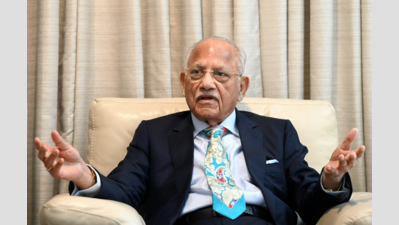
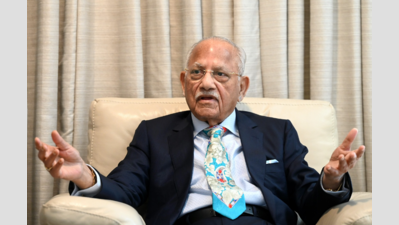
It was a patient’s death in 1979 that drove Dr Prathap C Reddy to lobby Prime Minister Indira Gandhi for the import of medical equipment duty-free. A few years later, the cardiologist convinced Rajiv Gandhi to pioneer an in-flight smoking ban. In an interview with Pushpa Narayan, Reddy, who turns 93 on Feb 5, says Indians are at high risk for non-communicable diseases. “But lifestyle and meds can bring them under control.” The founder of Apollo Hospitals, a heart attack survivor, has lived with diabetes for nearly 50 years. Excerpts: You left a thriving career in the US to return to India.My father asked me to come back to serve people here. At the time, India could diagnose coronary artery diseases but lacked facilities for angioplasty and open-heart surgery. In 1979, I lost a 38-year-old patient who could not afford treatment abroad. Seeing his widow and young children, I asked myself: if Indian doctors can save lives in the US, why not here at home? I made repeated trips to Delhi to meet Indira Gandhi and convince her to bring cutting-edge equipment to India. Finally, import duties were slashed from 300% to 0% on the condition that 25% of treatments would be free. Banks funded us, cement and steel came at subsidised prices, and we built the first multi-speciality Apollo Hospital in Chennai in 1983. Tell us about your battles to promote public health.A day before Apollo Chennai opened, a large “casualty” sign went up outside one of the wards. I found it unacceptable. Why would trauma patients want to be wheeled into “casualty” rooms? I changed it to “emergency” despite resistance from staff. Today, it is standard across India. I have also consistently pushed for health policy reform and insurance. When I met Prime Minister Narendra Modi, I pitched medical tourism, later branded “Heal in India”. Have you achieved your goal?We stuck to our core principles, the 4Cs of clinical excellence, compassionate care, cost-effectiveness and cutting-edge technology. It has guided us in building several hospitals, with a network of more than 10,000 beds across India. We brought the best equipment for the best doctors, who ensure they train many others to replicate their success.We have matched some of the best hospitals in the world such as the Cleveland Clinic in terms of numbers and outcomes. We pioneered proton therapy in South-East Asia, with new centres planned for Mumbai in 2026 and Delhi in 2027. They will have the next-generation upgrades for superior tumour conformity.To tackle the growing burden of cancer, we will be part of a clinical trial with a company in Australia that has been developing flash therapy. It is an emerging cancer treatment delivering ultra-high radiation doses in milliseconds, sparing healthy tissues. We can’t afford to bring the entire technology at `800cr now because it is still in the clinical trial phase. But we will be a part of the clinical trials after buying some of the FDA-approved equipment. How do you foresee the next few decades of healthcare?Our doctors and surgeons stay ahead with the latest technology—using robotics to boost precision, cut infections and speed recovery. But our future focus is preventive medicine. Take ProHealth, for instance, an AI-driven package that draws on 25 million past check-ups to predict risks and craft custom wellness plans. It screens heart, lungs, cancer markers, metabolism and sleep — for `9,000 — with health coaches, app tracking and specialist support to keep you on course. Apollo is now upgrading to a premium tier, adding genetic screening, calcium scoring, and advanced cancer markers. The app will refine predictions and tailor therapies, shifting from cure to prevention. This will cost `1 lakh and must be repeated once every 10 years, but it is worth the money. So, if the person is at risk of breast cancer, all they need to do is have a mammogram once a year.Most people don’t do annual health checks because they think they are healthy. We tell people that they are healthy only if they are told they are healthy. What about costs? Most insurance companies don’t cover preventive checks.Insurers skip preventive checks and skimp on inpatient cover too. Doctors push robotic surgery for better precision and quicker recovery, but companies say no, claiming laparoscopy does the job cheaper. The low cost provided by govt insurance makes it impossible to run hospitals in tier-2 and tier-3 cities. We started Apollo Munich Health Insurance in 2006 to link our hospitals with cashless claims. ‘Regulators said we couldn’t play both sides, so we had to let go of control. Now it’s on us to nudge insurers toward prevention, to shift from fixing to preventing. In my native town in Aragonda, we screened residents for prevention and early detection of diseases with an insurance cover of `1 a day. We also offer free and mandatory preventive health checks for hospital staff and their families. What are your recommendations for the govt?It’s time to put India on the global healthcare map. We must fling open doors for medical tourism. Visa-on-arrival for friendly nations would double patient inflows overnight. Nearly 400 hospitals, including Apollo’s branches, are ready to deliver world-class care at a fraction of the cost of developed nations. We have qualified doctors who can save patients’ lives and skilled nursing staff who can provide world-class care. Medical tourism will build credibility, hospital revenues, and, most crucially, jobs. We can retain skilled nurses and technicians with better pay and work environments. What advice would you give to Indian youth?Like any other Indian, I have all the health risks. I have been living with diabetes for 50 years. I have hypertension, high cholesterol and was overweight at 105kg. About 15 years ago, I had a heart attack. But preventive health checks, early diagnosis and treatment, diet and exercise have kept me going. I still walk for 20 minutes every day, including seven minutes at a brisk pace. I have lost 15kg. My blood pressure and sugar levels are under control. We have long known that Indians have a genetic predisposition for some non-communicable diseases. What we must understand is that they can be brought under control with lifestyle changes and the right medication.