

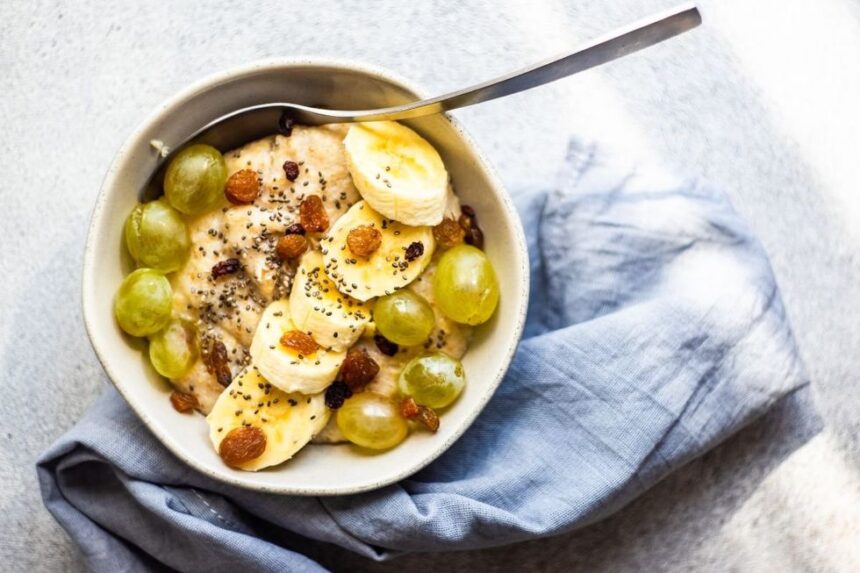
A registered dietitian has revealed the optimal approach to preparing oats for those seeking consistent energy levels and effective fat reduction.
Alexander LeRitz, a nutrition specialist at JM Nutrition, advises that combining oats with the right ingredients is key for appetite management and weight control.
“The most effective way to eat oats for energy, appetite, and weight loss is by balancing oats with a good source of protein and healthy fat,” LeRitz told GB News.
Put simply, protein decelerates the digestive process while helping maintain muscle mass during weight loss, and fat contributes to lasting satisfaction.
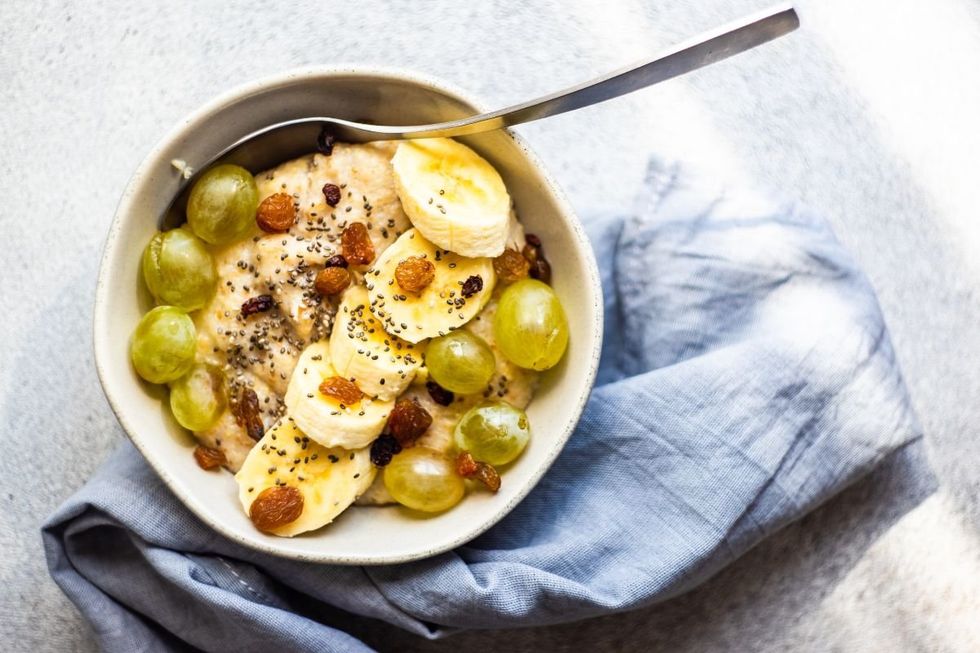
Adding protein to your porridge will decelerate digestion and promote fullness
|
GETTY
LeRitz adds that it’s important to choose steel-cut or traditional rolled varieties over their instant counterparts, noting that while they require additional cooking time, they offer considerable advantages.
These less processed options break down more gradually in the body, resulting in extended feelings of fullness compared to quick-cook alternatives.
“That slower release of glucose is linked to better appetite control and improved energy balance over the day,” the dietitian explained.
A properly constructed bowl incorporating protein, fibre, and healthy fats transforms oats into a considerably more powerful tool for managing hunger and maintaining steady energy throughout daily activities.
Certain additions can significantly boost the slimming potential of an oat-based breakfast. LeRitz identifies protein-rich and fibre-dense ingredients as particularly valuable choices for those watching their weight.
“Protein-rich and fibre-dense ingredients such as milk, Greek yoghurt, seeds, or fruit tend to make oats more filling and balanced,” he stated.
These nutritious toppings work by moderating the speed at which food moves through the digestive system, which helps regulate blood glucose levels. The result is hunger remaining suppressed for several hours after eating.
Cooking oats in milk or soy milk rather than water provides an immediate protein enhancement, while a scattering of nuts or seeds delivers both satisfying texture and sustained fuel.
However, LeRitz cautions that certain popular toppings can swiftly derail weight-loss efforts.
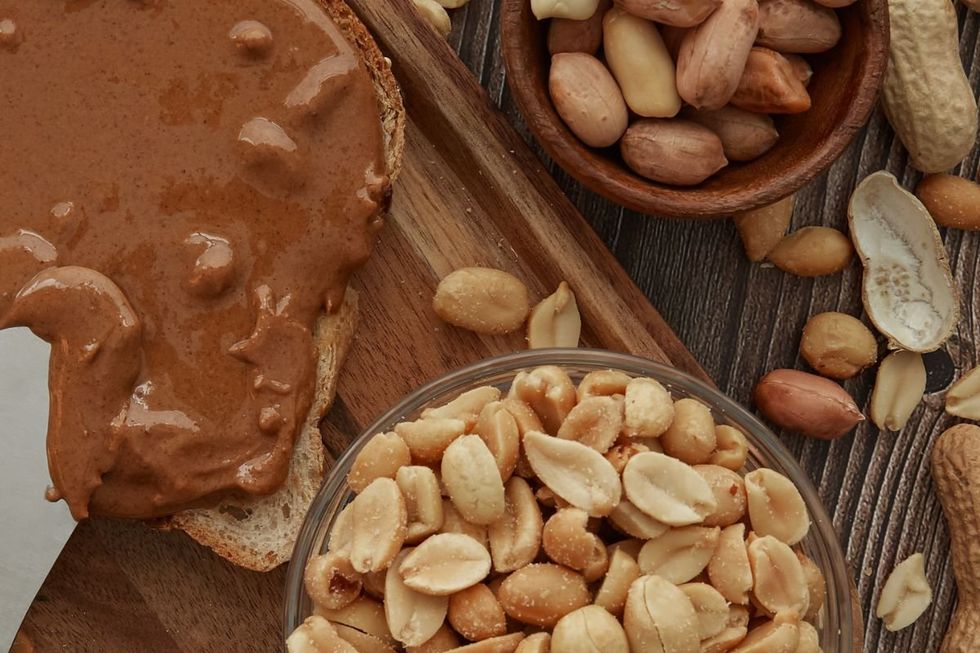
Flavoured peanut butter can add hundreds of calories to a dish without increasing fullness
|
GETTY
“Maple syrup, flavoured nut butters, granola, or coconut flakes may sound harmless in small amounts, but together they can add hundreds of calories that don’t necessarily increase fullness,” he warned.
Toppings serve a function beyond mere flavour enhancement, as they fundamentally alter how the body processes the meal.
Unmeasured portions or sugar-laden additions can transform an otherwise healthy breakfast into one that works against slimming objectives.
LeRitz advocates for small, deliberate quantities of nutrient-rich ingredients rather than generous helpings of sweeter options.