

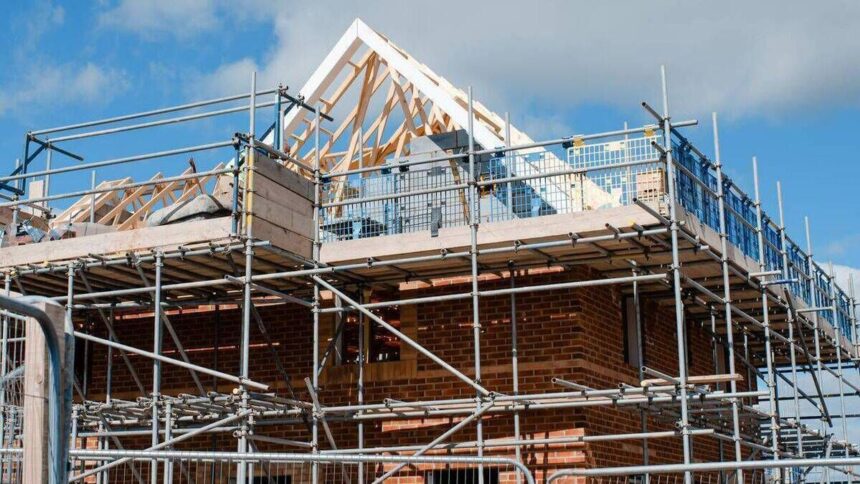
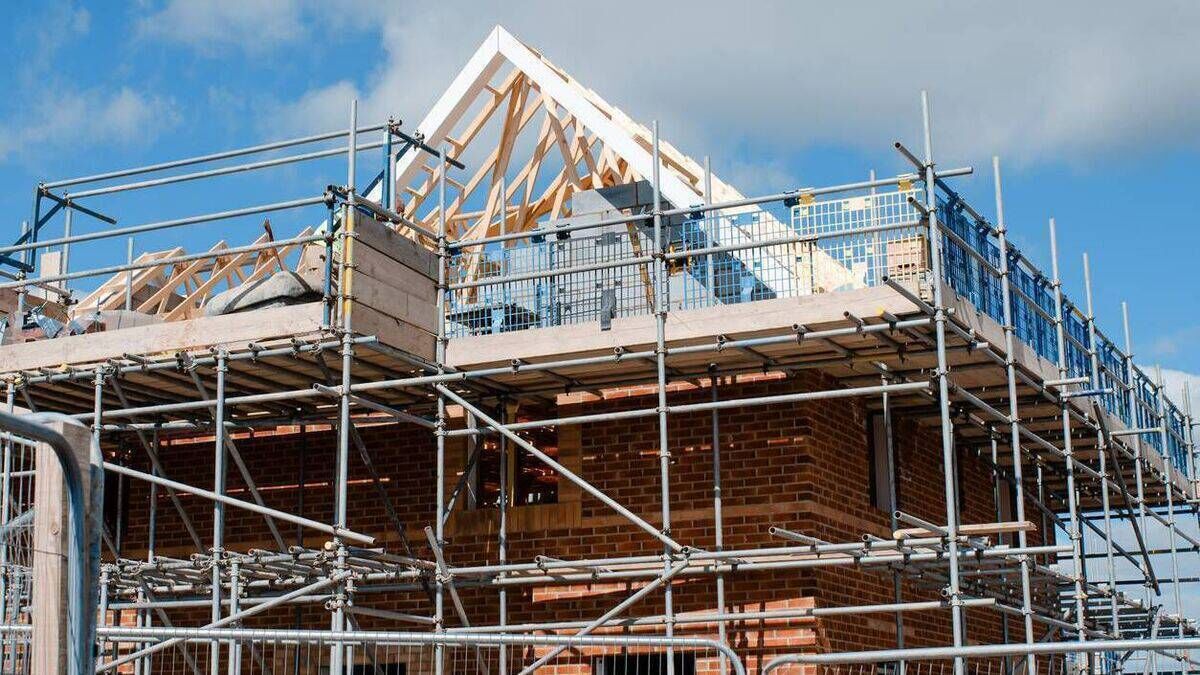
The construction sector saw another decline in activity during January with the residential sector extending its current period of contraction to nine months, the latest AIB Construction Purchasing Managers Index (PMI) shows.
The sector’s PMI reading for January stood at 48.6, which is marginally better than the 48.4 recorded in December but still below the breakeven level of 50. This is the ninth straight month in a row a PMI reading of below 50 has been recorded.
Senior economist at AIB, John Fahey, said the PMI shows that “activity levels in the sector remained subdued at the start of the year” adding that the weakness is “broad-based” across the three sub-sectors of the construction industry.
All three sub-sectors registered a contraction with the best performing one of the three being commercial construction. “The pace of decline in this sector eased for a second consecutive month,” Mr Fahey said.
“Meanwhile, the residential sector extended its current period of contraction to nine months, with the pace of decline worsening compared to the previous month.”
Throughout much of 2025, the PMI recorded declining activity across the residential construction sector. During the year, a total of 36,284 new homes were completed which was a 20.4% increase from the number recorded in 2024.
It is also the highest annual figure since the series began in 2011. This increase was driven by a surge in apartment completions, which reached 12,047 in 2025, up 38.7% year-on-year.
However, the total still falls short of the revised 2025 target of 41,000 homes, agreed in November 2024. The Government has set the target of 300,000 new homes by 2030.
Civil engineering remained the weakest of the three subsectors but the rate of contraction eased slightly.
Mr Fahey said that there were some “encouraging news” in some of the other main components of the survey for January.
“The new orders index, which is regarded as a leading indicator, recorded expansion for the second successive month, with the pace of growth improving to its fastest rate since March of last year,” he said.
“There was also a further increase in staffing levels in the sector, with the current period of job creation extending to three months.” However, some firms reported that project start dates had been put back, limiting activity.
Input buying rose for the third month running, however, input costs also increased at a slightly faster pace than at the end of 2025.
Copper was a key item mentioned as having risen in price over the month. Suppliers’ delivery times lengthened again in January, and to a broadly similar extent to that seen in the previous month.
Constructors upped their usage of sub-contractors in January, the second successive month in which this has been the case. In turn, sub-contractor availability decreased at the fastest pace since August last year and the rates they charged increased rapidly.
In terms of construction firms’ outlook for the year ahead, optimism regarding increasing activity levels over the coming 12 months improved for a second consecutive month and is now at its highest reading in a year.
More than 34% of respondents predicted a rise in construction activity over the coming year, while 10% were pessimistic.
Firms anticipate being busier over the course of 2026, with some noting that more tenders were becoming available.