
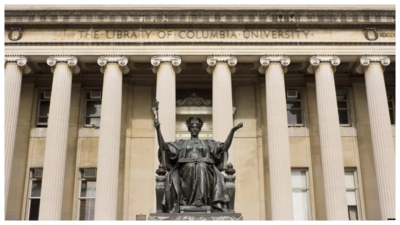
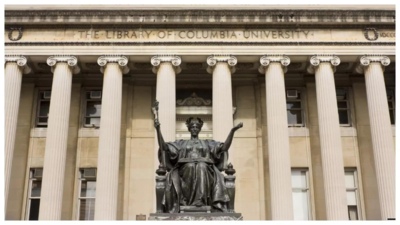
Columbia University and Barnard College have joined Harvard University in challenging the Trump administration’s restrictions on international students. On January 20, both institutions signed an amicus brief supporting Harvard’s lawsuit in the 1st Circuit Court of Appeals. The brief highlights the critical contributions of international students, stating that they have “cured diseases, invented transformational technologies, and founded companies that have fueled American economic growth,” according to reporting by the Columbia Spectator.The brief emphasizes that student visa recipients play an important role in making U.S. colleges and universities world-class research institutions. It argues that canceling visas—even for one university—could undermine the entire system of higher education in the country.
Strong support from Ivy League and other universities
A total of 48 universities, including all eight Ivy League institutions, signed the brief. Columbia and Barnard had previously not joined a similar June 2025 brief concerning the cancellation of more than $2.2 billion in federal funding for Harvard. This time, the action is focused specifically on student visas and enrollment rights, showing strong support for international students across the country.The brief also points out that Congress intentionally designed U.S. immigration laws to allow American universities to attract the best students from around the world. These students contribute to cutting-edge research, technology development, and innovations that benefit the United States, as well as enhancing the education of all students on campus.
Columbia at the center of federal actions
During Trump’s second term, Columbia became a central figure in federal actions affecting universities. In March 2025, the federal government canceled $400 million in funding for Columbia, making it the first university to face such a large-scale cut. The Trump administration also took action against Harvard, revoking its Student and Exchange Visitor Program (SEVIS) certification on May 22, 2025. This prevented Harvard from enrolling international students and required current students to transfer to another university or risk losing their legal status.Columbia has one of the largest international student populations in the United States. In the 2024-25 academic year, nearly 39 percent of students at Columbia were international. In April 2025, four Columbia students saw their visas revoked by the federal government, according to the Columbia Spectator. These actions highlighted how federal policies directly affect students’ lives and the universities that rely on international talent.
Legal challenges and temporary court blocks
Following Harvard’s SEVIS revocation, a federal judge temporarily blocked the order, stating that Harvard would “sustain immediate and irreparable injury” if the revocation were allowed to move forward. A few days later, the federal government paused the scheduling of new student visa appointments. In June 2025, Trump issued a proclamation banning international students studying at Harvard from entering the United States. This proclamation was also temporarily blocked by a federal judge the next day.The legal process is ongoing, and it is unclear when a final decision will be made in Harvard’s lawsuit. The amicus brief filed by Columbia, Barnard, and other universities stresses that U.S. higher education depends on attracting top talent from around the world. Limiting visas for even one university could have long-term consequences for research, innovation, and education in the country.
Why this matters
More than students, international students are researchers, innovators, and contributors to U.S. society. This is why universities like Columbia and Barnard believe that policies that restrict their admissions would weaken the competitiveness of the country in science, technology, and business. The current legal battle brings to the fore the salience of protecting international student rights and keeping U.S. universities as global centers of learning and research.