

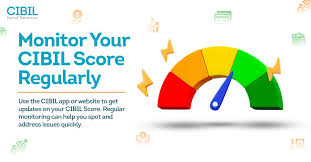
Your CIBIL score is a crucial financial metric that lenders use to evaluate your creditworthiness. Whether you’re applying for a loan, credit card, or mortgage, a good CIBIL score can make all the difference. The official CIBIL website (TransUnion CIBIL) is the most trusted platform to check your credit score, understand your credit report, and take steps to improve it.
In this comprehensive guide, we’ll cover:
✅ How to check your free CIBIL score
✅ Understanding your CIBIL report
✅ Tips to improve your credit score
✅ Common CIBIL-related FAQs
Let’s dive in!
1. What is the CIBIL Website?
[Image Prompt: A screenshot of the official CIBIL website homepage with key sections highlighted.]
The CIBIL website (www.cibil.com) is the official portal of TransUnion CIBIL, India’s leading credit bureau. It provides individuals and businesses with access to their credit scores and reports, helping them monitor and improve their financial health.
Key Features of the CIBIL Website:
✔ Free CIBIL Score Check – Get a free credit score once a year.
✔ Detailed Credit Report – View your complete credit history.
✔ CIBIL Score Simulator – See how financial actions impact your score.
✔ Dispute Resolution – Raise disputes for errors in your report.
✔ Credit Monitoring Alerts – Get notified about changes in your credit profile.
2. How to Check Your CIBIL Score for Free?
[Image Prompt: A step-by-step infographic showing how to check CIBIL score online.]
Checking your CIBIL score is simple and can be done in a few steps:
Step 1: Visit the Official CIBIL Website
Go to www.cibil.com and click on “Get Your Free CIBIL Score”.
Step 2: Fill in Your Details
Enter your:
-
Name
-
Email ID
-
Phone Number
-
PAN Card (mandatory)
-
Date of Birth
Step 3: Verify Your Identity
You’ll receive an OTP on your registered mobile number for verification.
Step 4: Access Your CIBIL Score & Report
Once verified, you can view and download your CIBIL score and report.
💡 Pro Tip: You can check your CIBIL score for free once a year. For frequent checks, consider a paid subscription.
3. Understanding Your CIBIL Report
Your CIBIL report contains detailed information about your credit history. Here’s how to read it:
Key Sections in a CIBIL Report:
-
Personal Information – Name, DOB, PAN, etc.
-
Contact Details – Addresses and phone numbers linked to your credit profile.
-
Employment Information – Your current and past employment details.
-
Account Information – List of loans, credit cards, and repayment history.
-
Enquiry Information – Records of lenders who checked your credit score.
-
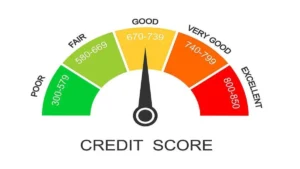
CIBIL Score – A 3-digit number (300-900) indicating creditworthiness.
🔍 Check for Errors: If you find discrepancies, raise a dispute on the CIBIL website to correct them.
4. How to Improve Your CIBIL Score?
A low CIBIL score can hurt your loan approval chances. Follow these proven tips to boost your score:
✅ Pay Bills on Time – Late payments negatively impact your score.
✅ Keep Credit Utilization Below 30% – Don’t max out credit cards.
✅ Avoid Multiple Loan Applications – Too many hard inquiries lower your score.
✅ Maintain a Healthy Credit Mix – A balance of secured & unsecured loans helps.
✅ Check Your CIBIL Report Regularly – Fix errors immediately.
📈 Did You Know? A CIBIL score above 750 is considered excellent and increases loan approval chances.
5. Common CIBIL-Related FAQs
Q1. Is checking CIBIL score free?
Yes, you can check your CIBIL score for free once a year on the official website.
Q2. What is a good CIBIL score?
A score above 750 is considered good, while below 600 may lead to loan rejections.
Q3. How long does it take to improve CIBIL score?
It can take 3-6 months of disciplined credit behavior to see improvement.
Q4. Can I get a loan with a low CIBIL score?
Some lenders offer high-interest loans, but improving your score is better for favorable terms.
6. Why is the CIBIL Website Important?
[Image Prompt: A comparison image showing loan approval rates with good vs. bad CIBIL scores.]
The CIBIL website is essential because:
✔ Helps in Loan Approvals – Banks check your score before lending.
✔ Identifies Fraud – Detect unauthorized credit inquiries.
✔ Improves Financial Discipline – Regular monitoring encourages better credit habits.
7. External Resources for Better Credit Health
For deeper insights, check out these authoritative resources:
-
RBI Guidelines on Credit Scores – Understand regulatory aspects.
-
BankBazaar CIBIL Guide – Tips to improve credit health.
-
TransUnion Global – Learn about global credit practices.
Conclusion
Your CIBIL score is a vital part of your financial identity. By regularly checking your score on the CIBIL website, understanding your report, and following best credit practices, you can secure better loan terms and financial stability.