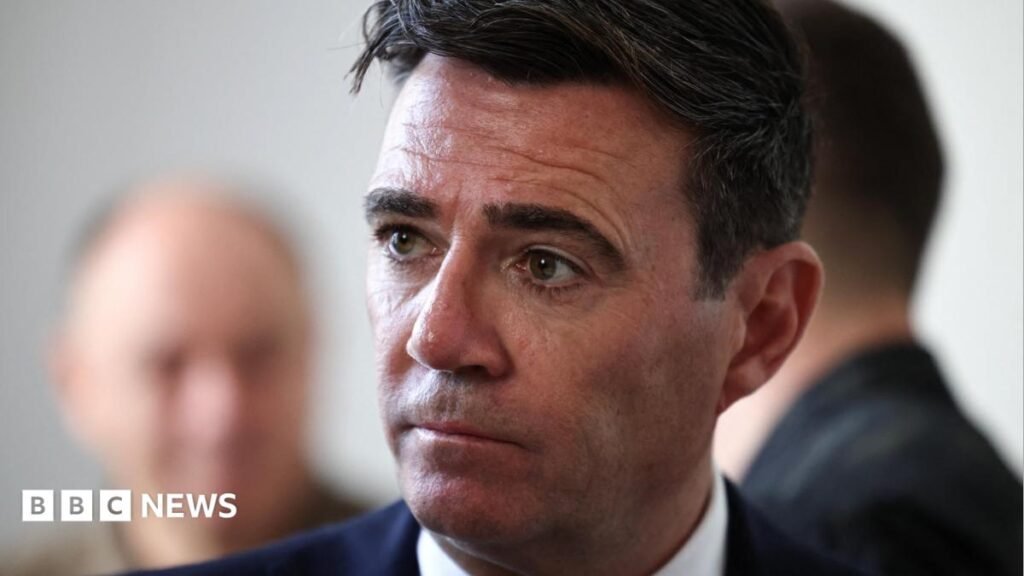
Burnham said: “I am in South Wales today because the answers to the UK’s challenges will not come from an echo chamber. They will come from the places that know their own strengths, and from a government willing to listen and then act.
“Good jobs in every community, in every part of the UK. That is what I want every leader in this country signed up to.”
He will meet the Welsh government’s deputy first minister Sioned Williams at the visit.
Williams said the visit was “a positive example of governments working together to improve people’s lives”.
She will call for a “fair share of the UK government’s steel fund”, an “energy social tariff to support those facing fuel poverty and struggling with high energy bills”, and high standing charges in Wales to be addressed.
She added: “Wales is an energy-rich nation. People should see that reflected in good jobs, stronger communities and lower bills.”
The National Economic Council was created by the Gordon Brown administration in 2008, and has been revived by Burnham.
A previous meeting brought together government ministers and English local authority mayors.
Downing Street said the prime minister wanted to discuss “how we will drive good growth in every postcode across the UK” with the first ministers.
The Welsh government said: “We look forward to discussing shared challenges, including ensuring growth and investment in all the countries represented, and support for families facing the continuing cost-of-living crisis.
“This is alongside further discussions with the UK government to progress broader priorities in Wales, including fair funding and extending devolution.”
Plaid Cymru has pressed the UK government for discussions over more powers and funding for the Senedd – Wales’s parliament – and the Welsh government in Cardiff.
First Minister Rhun ap Iorwerth had his first meeting with the new prime minister on the sidelines of the Glasgow Commonwealth Games in July.
At the time, ap Iorwerth said it was “too early” to know whether the new Labour prime minister would agree to his calls.
Downing Street said then that the prime minister wanted an “open and ongoing dialogue” with the first minister.