
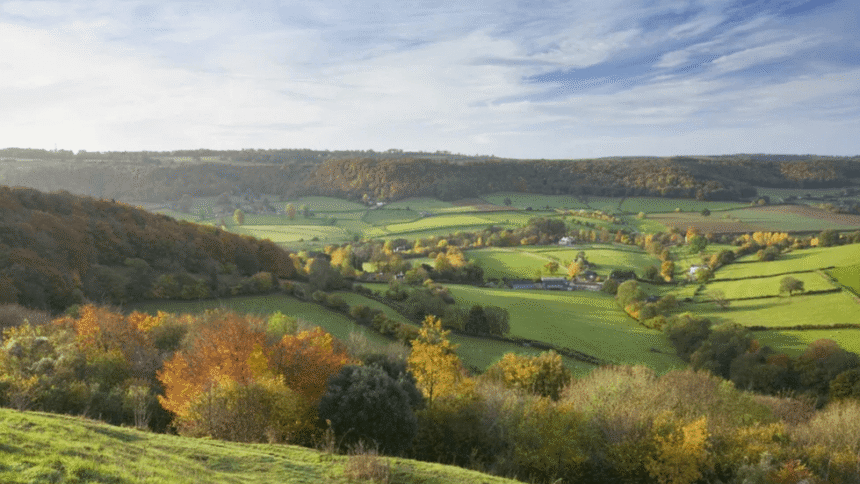
Rural officials across England have signed up to plans aimed at making the British countryside more ethnically diverse, under a wide-ranging initiative coordinated by Department for Environment, Food and Rural Affairs (Defra).
Internal reports described rural England as a largely “white environment” and urged urgent action to broaden its appeal.
In the Chilterns, engagement programmes have been developed specifically to target Muslim communities in nearby Luton.
Recruitment drives will prioritise increasing workforce diversity, while promotional materials will feature ethnic minority individuals and be translated into multiple “community” languages.
Research commissioned by Defra also examined practical barriers that may deter certain groups from visiting rural areas.
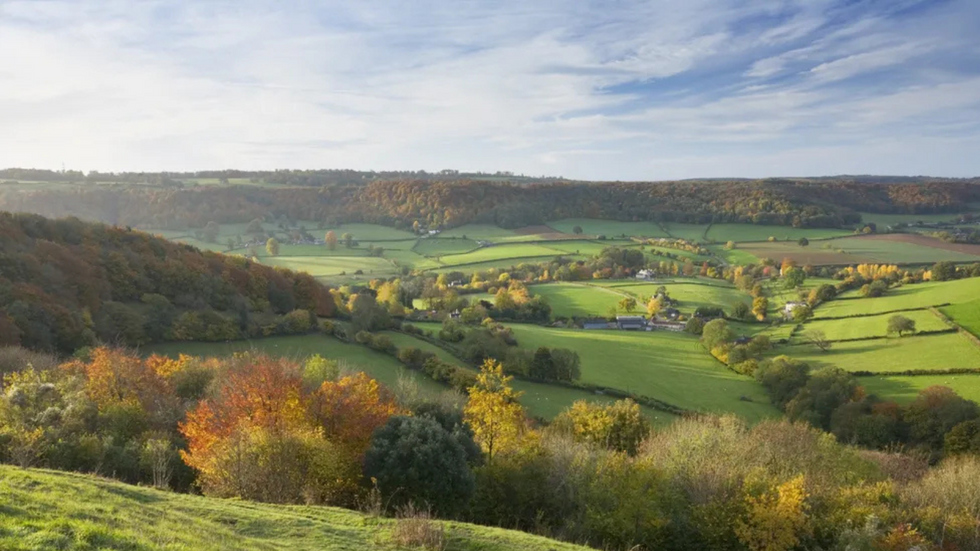
Internal reports described rural England as a largely ‘white environment’
| GETTY
The Malvern Hills National Landscape said: “Many minority peoples have no connection to nature in the UK because their parents and their grandparents did not feel safe enough to take them or had other survival preoccupations.”
It added: “While most white English users value the solitude and contemplative activities which the countryside affords, the tendency for ethnic minority people is to prefer social company (family, friends, schools).”
A 2019 report overseen by Julian Glover warned that national landscapes could feel exclusionary.
WOKE MADNESS – READ THE LATEST:
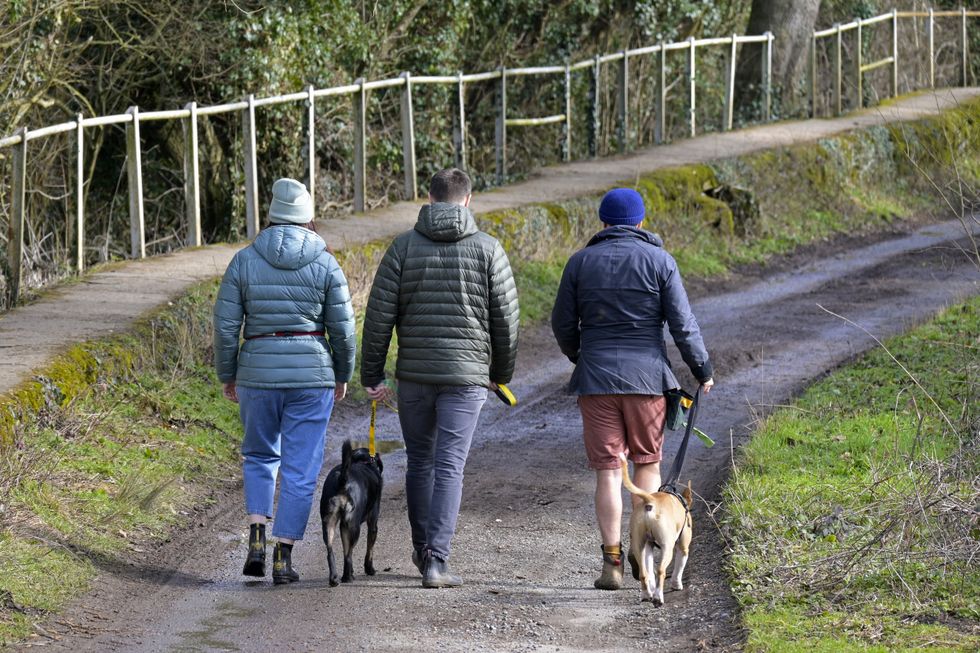
One recommendation suggests dogs should be kept under stricter control to ease fears
|
GETTY
It cautioned: “Our countryside will end up being irrelevant to the country that actually exists.”
In 2022, Defra commissioned a £108,000 study titled “Improving the ethnic diversity of visitors to England’s protected landscapes”.
The research found that first-generation immigrants often perceive protected areas as spaces designed for white, middle-class people.
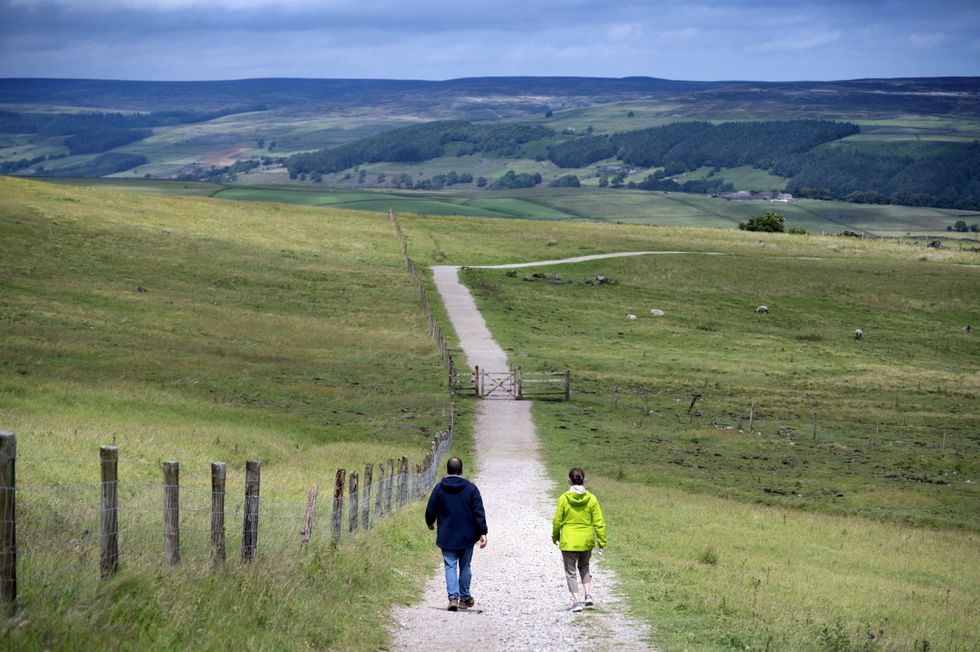
Research found that first-generation immigrants often perceive protected areas as spaces designed for white, middle-class people
|
GETTY
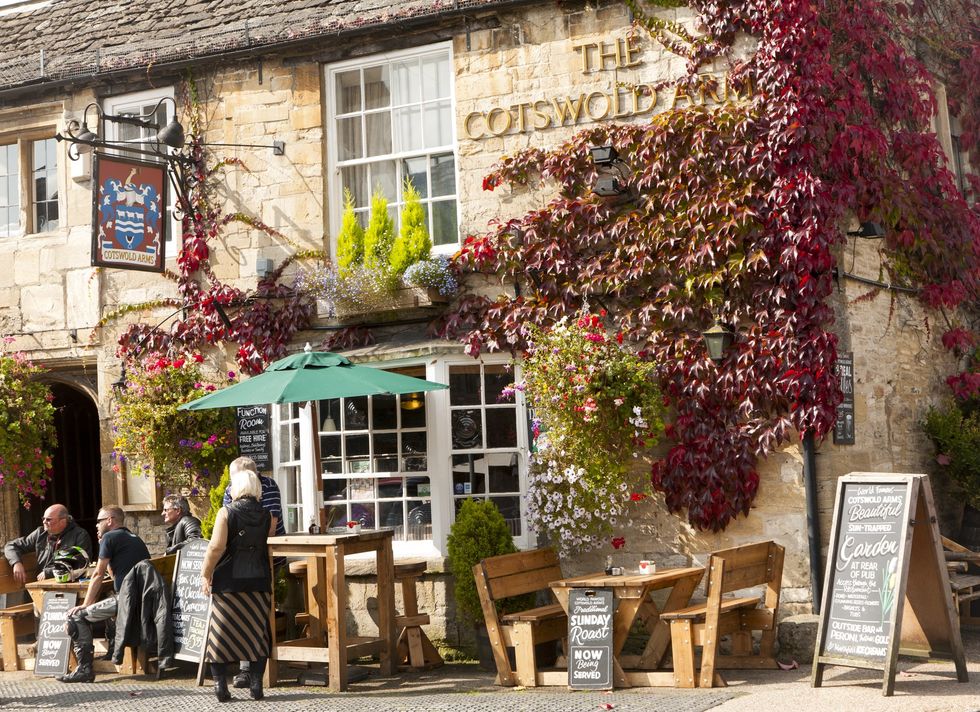
Traditional pubs were identified as a particular concern in the report
|
GETTY
Nidderdale National Landscape in North Yorkshire acknowledged that ethnic minority visitors may have concerns about how they will be received and pledged to provide more inclusive information reflecting different cultural interpretations of the countryside.
Cranborne Chase, which spans Dorset, Wiltshire, Hampshire and Somerset, plans to target communities where English is not a first language.
Dedham Vale in Suffolk, famously painted by John Constable, has committed to identifying barriers faced by under-represented groups.
Last year, the Government laid out its vision for improving access to Britain’s rural areas.
At the time, a Defra spokesman said: “We will work with government, public bodies, businesses, civil society and communities to support people engaging with nature in their own ways and encourage them to do this safely and appropriately through continued promotion of the countryside code.
“We want to equip communities with the resources, knowledge and skills so they can respond to societal and environmental issues in their neighbourhoods.”