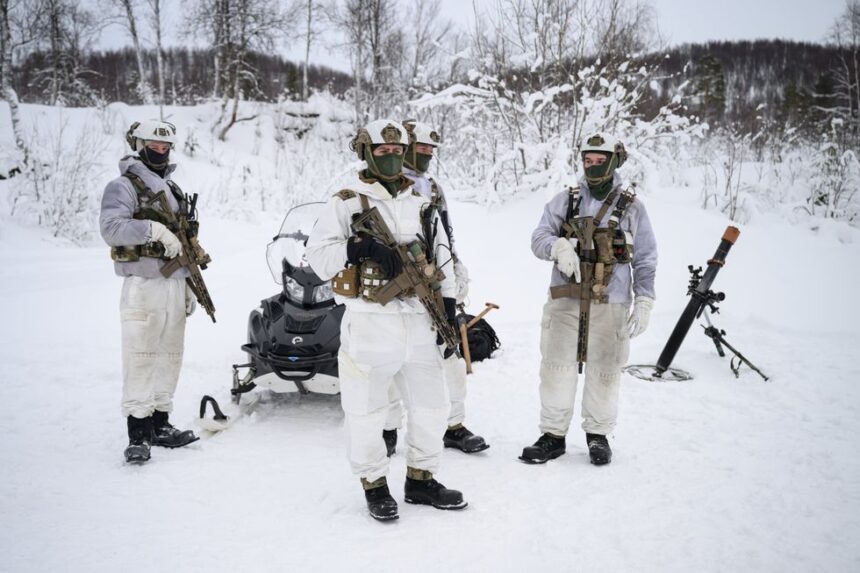
Britain is “struggling” to keep pace with Europe’s military rearmament despite the growing threat from Russia, a leading defence think tank has warned.
A major new study found the UK is falling behind on key defence commitments, with capability gaps in armoured vehicles, warships and ground-based air defence systems.
The annual Military Balance report – a global comparison of armed forces compiled by the International Institute for Strategic Studies (IISS) – showed Europe accounted for 21 per cent of total global defence spending last year.
Germany’s surge alone represented a quarter of all European growth since 2024.
Even if Britain brings forward its ambition to spend 3 per cent of GDP – around £113billion – on defence to 2029, it would still trail Berlin, which is on course to spend a similar amount next year.
Germany is expected to allocate 3.05 per cent of GDP to defence by 2029.
While Russia’s trackable military expenditure fell in 2025 compared with growth of 56.9 per cent the previous year, the report’s authors suggested this may reflect financial reforms and efficiency measures within Moscow’s defence ministry.
Despite the dip, the think tank warned that the threat from Russia to Europe is rising, with an expanding arsenal of long-range weapons capable of striking targets across the continent.
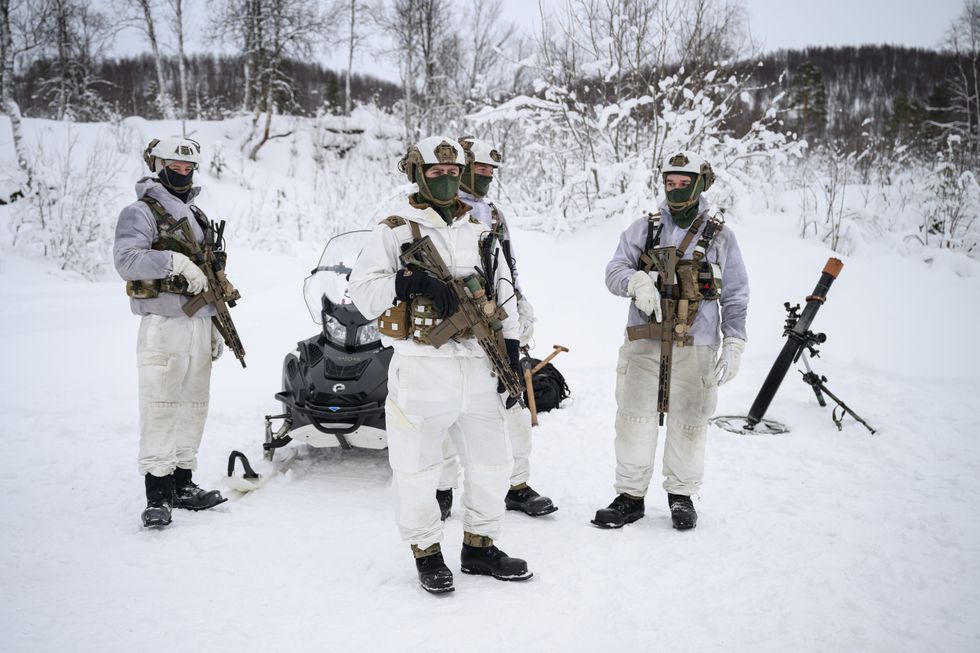
Several gaps in the UK’s defence funding were identified
|
GETTY
Dr Bastian Giegerich, director-general of the IISS, said: “There is little indication that Russia’s ability to continue its war against Ukraine for the fifth year is diminished. And its threat to wider Europe is growing.
“We judge that by 2030 – and assuming that production and recruitment continue at the same pace – Russia will be capable of closing the shortfalls that exist between its current manpower and equipment holdings and those required to meet its new expanded force structure.”
Defence Secretary John Healey said he wants the war in Ukraine to end next year and for British troops to be deployed as part of a coalition force securing a negotiated peace.
In an interview with Times Radio he said: “I want to see 2026 [as] the year that this war does end. I want to be the defence secretary that deploys UK troops into Ukraine, because that will mean we’ve got a negotiated peace in place.”
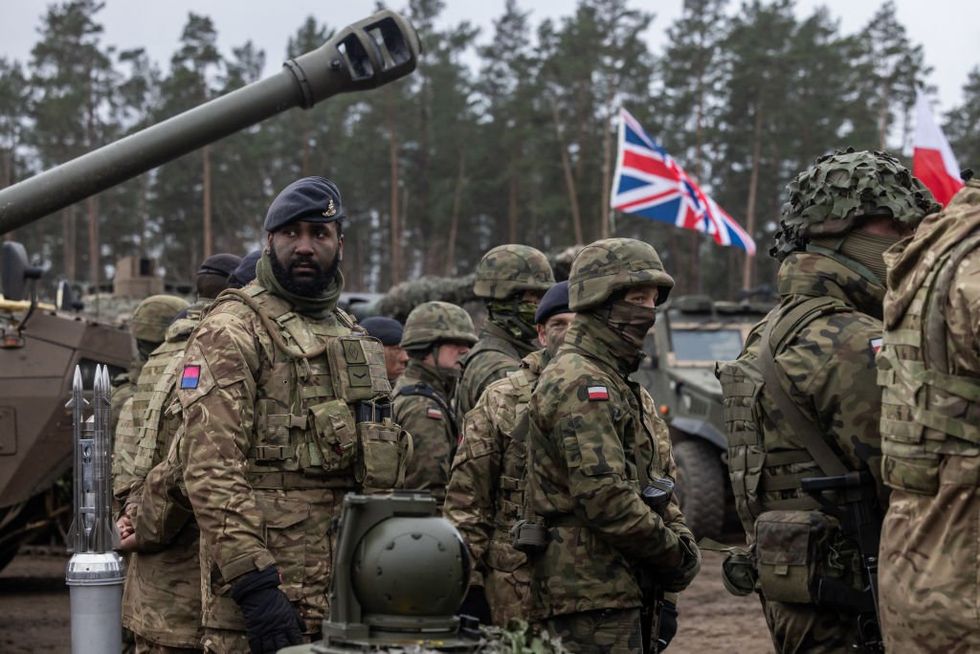
Nato said core defence spending should be set at 3.5 per cent of GDP by 2035.
|
GETTY
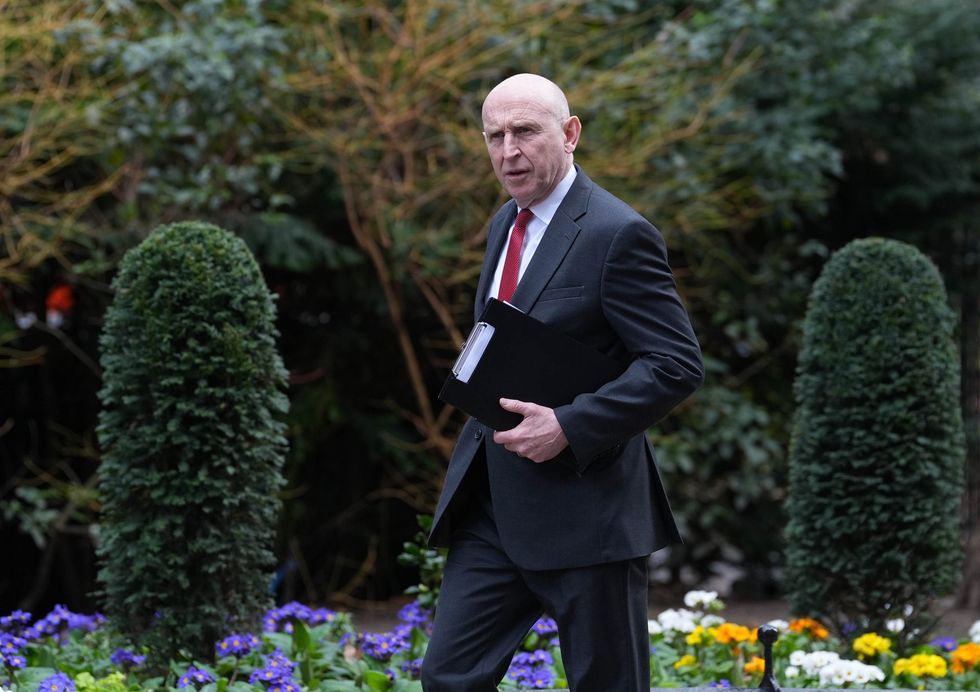
John Healey, who has said he wants to see the Russia-Ukraine war ends this year
|
PAAddressing claims that Ukrainian President Volodymyr Zelensky was acting as a roadblock to peace, he said: “People can see who the real problem and block on peace is and that is President Putin.”
Fenella McGerty, senior fellow for defence economics at the think tank, said the UK’s budget deficit was less concerning than that of some other European nations, including France.
Separate IISS analysis also found Russian defence spending is slowing.
Ruben Stewart, senior fellow for land warfare, said: “It is fair to say the rate of rearmament of the continental European countries is significantly faster and more rapid [than the UK].”
He added that Britain faces gaps in armoured vehicles and self-propelled artillery systems, and is not modernising at the same pace as some European allies.
The UK has pledged to increase defence spending to 3.5 per cent of GDP by 2035 in line with Nato commitments.
However, officials estimate a £28billion funding gap over the next four years.
The pressure comes as Labour has yet to publish its long-awaited defence investment plan – originally expected last autumn – despite calls from industry leaders including Charles Woodburn, chief executive of BAE Systems.