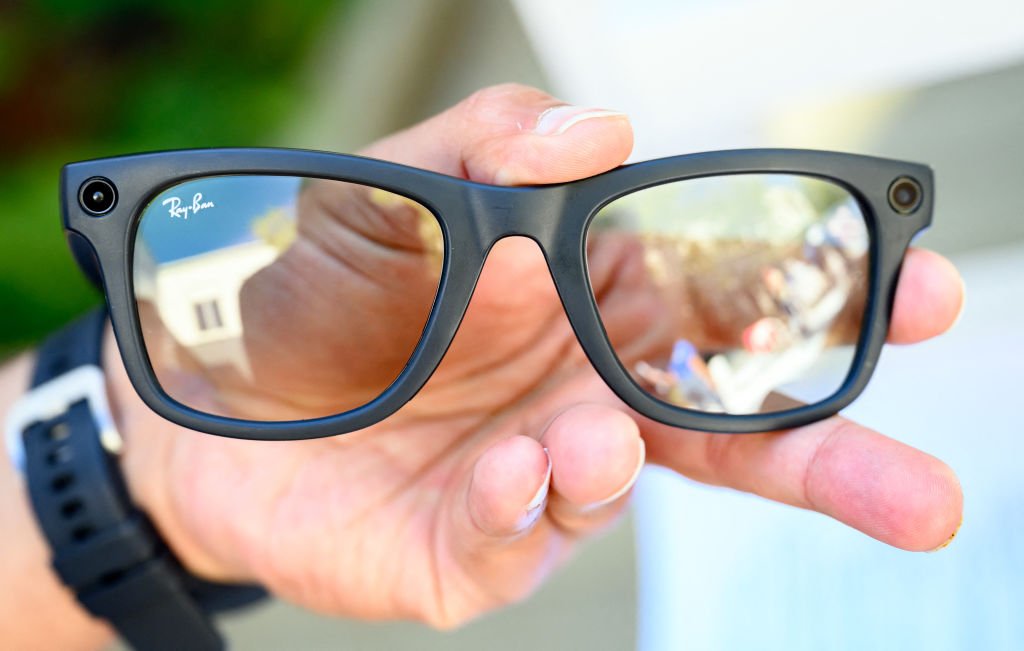

A pair of Ray-Ban Meta 2nd generation smart glasses is seen on display at Meta’s headquarters in Menlo Park, California, on Sept. 27, 2023. Josh Edelson/AFP via Getty Images
Brisbane City Council will ban smart glasses from all public swimming pools it manages to protect the safety and privacy of families and children.
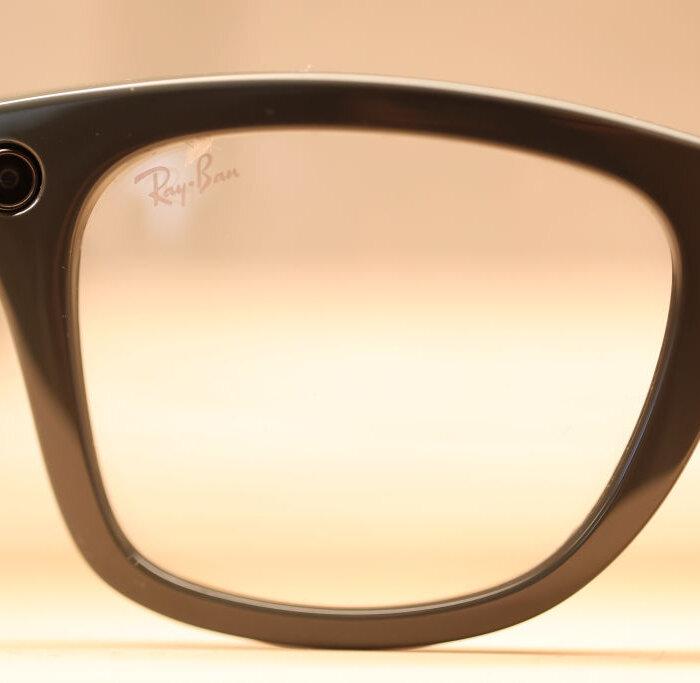
Smart glasses can look like typical eyewear, but basic models often include features such as video and audio capture, retailing online for as little as $30 (USD $21).
The glasses can film video without the subject being aware they are being recorded.
Conditions of entry at Brisbane’s 21 public pools will now exclude the use of any camera-enabled devices-including mobile phones, cameras and smart glasses-without express approval by staff.
The council said the ban would help address concerns about women and children being filmed in changing areas.
“Recent concerns about smart glasses being used to film people without their knowledge or consent are understandably making people think more about their privacy,” Lord Mayor Adrian Schrinner said in a statement provided to The Epoch Times.
Related Stories

“Families should be able to enjoy their local pool without worrying that someone might be secretly filming them or their children.”
The council said smart glasses are becoming progressively cheaper to obtain and harder to spot as they look like typical accessories.
Digital Rights Watch’s head of policy, Tom Sulston, highlighted the need for people to be able to access public areas without fear of unwanted video surveillance.
“We look forward to seeing not just councils following Brisbane’s lead, but also state and federal governments,” he said.
Luke Twyford, principal commissioner from the Queensland Family and Child Commission, said the community expected such standards.
“All Queensland children should be and feel safe in public spaces and places,” he said.
“Child harm and abuse can be hard to recognise, and all organisations need to ensure the services and spaces they operate are safe for children and prevent exploitation.”
The ban follows recent reports that UK cinemas are considering restrictions on smart glasses amid concerns they could be used to pirate films.
Global Surge in Smart Glasses
The IDC also predicted that smart-glasses prices will continue to fall, making the technology more accessible as cheaper competitors proliferate.
A recently launched set of $89 smart glasses launched by Anko, which belongs to the Kmart department store chain, sold out in under a week.
“As Australia’s privacy regulator we are giving serious consideration to the issues raised by surveillance wearables and monitoring their market presence in order to understand if scrutiny and intervention is required or warranted,” she said in an August statement.