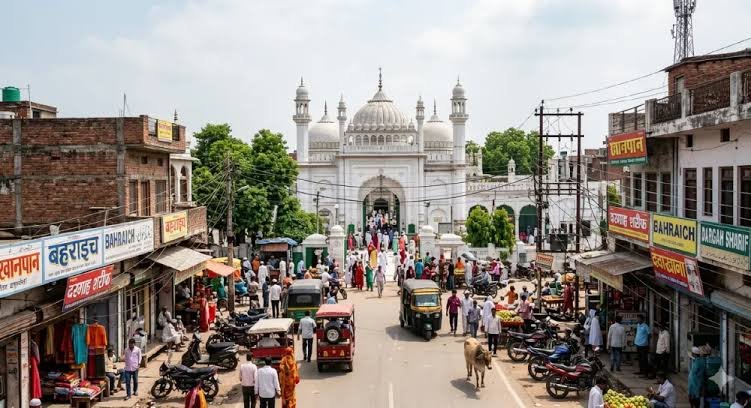
Unveiling the Layers of Bahraich’s Glorious Past
Nestled on the banks of the sacred River Saryu in Uttar Pradesh, Bahraich is not just another district on India’s map—it is a living testament to thousands of years of civilization, spirituality, and cultural confluence. The history of Bahraich is as deep and flowing as the river that nourishes its lands, carrying stories from the age of gods, epic heroes, medieval warriors, and modern visionaries. In recent times, “Bahraich history” has become a trending topic as people seek to understand the deep roots of this ancient city.
Bahraich History is a tapestry woven with threads from Hindu mythology, Buddhist traditions, and Islamic influences, making it a unique destination for historians, pilgrims, and curious travelers alike. With its rich heritage spanning over five millennia, Bahraich offers a fascinating journey through time that connects the epic age of the Ramayana to the corridors of British colonial rule and beyond .
This comprehensive exploration of Bahraich history will take you through its mythological origins, ancient temples, medieval fortifications, cultural evolution, and its modern-day significance. Whether you’re a student of history, a spiritual seeker, or someone simply intrigued by India’s diverse heritage, the story of Bahraich promises to captivate and inspire.
The Mythological Origins: When Gods Walked the Earth
The Capital of Lord Brahma
According to ancient scriptures and local tradition, Bahraich’s history begins in the realm of mythology itself. It is believed that this sacred land was once the capital of Lord Brahma, the creator of the universe in Hindu cosmology . The city’s very name is thought to have evolved from “Brahma-ich” or “Brahma’s seat,” pointing to its divine origins. This celestial connection gives Bahraich a unique place in the spiritual geography of India.
The dense forests that surrounded the area were known as the Gandharv Forest, and it was here that Lord Brahma is said to have established a sanctuary for Rishis (sages) and Sadhus (holy men) to perform their penance and worship . The presence of fast-flowing rivers and dense green forests made this region an ideal location for spiritual pursuits, attracting ascetics and seekers of truth from across the subcontinent .
The Saryu River: A Sacred Lifeline
The River Saryu, which flows through Bahraich, is not just a geographical feature but a sacred entity mentioned prominently in the Ramayana. This holy river is believed to have been blessed by Lord Rama himself, adding to the spiritual significance of the region. The banks of Saryu have witnessed thousands of years of civilization, with temples and ghats dotting its shores.
For devotees, taking a dip in the Saryu is considered purifying, much like the Ganges. The river continues to be the lifeline of Bahraich, supporting agriculture, providing water, and serving as the backdrop for countless religious ceremonies. The deep connection between the city and the river is an integral part of Bahraich history.
The Pandavas’ Visit During Exile
The epic Mahabharata also finds a place in Bahraich’s history. It is said that during their 13-year exile, the Pandavas—along with their mother Kunti—visited this sacred region . The tranquil environment of Bahraich and its spiritual energy provided solace to the exiled princes. Local traditions still remember this visit, and certain sites in and around the city are associated with the epic heroes.
Rishis and Their Ashrams
The ancient history of Bahraich is replete with mentions of great sages who made this region their home. Rishi Valmiki, the author of the Ramayana, is believed to have lived here . Other prominent sages like Rishi Balark and Rishi Ashtwakra also chose this region for their spiritual practices . The ashrams of these sages were centers of learning and spiritual discourse, attracting students from far and wide.
The Kingdom of Luv: Ramayana’s Living Legacy
Lord Rama’s Son and His Kingdom
One of the most significant chapters in Bahraich history is its association with Luv, the son of Lord Rama. According to the Puranas, King Luv ruled this region, establishing his kingdom in what is now Bahraich . This connection to the Ramayana gives Bahraich a special place in the hearts of devotees across India.
The name “Bahraich” itself may also have connections to Lord Bharata, another son of Lord Rama, suggesting that the region was an important part of the Ayodhya kingdom. The area’s strategic location and fertile lands made it a valuable addition to the Kosala kingdom that Lord Rama and his descendants ruled.
The Luv-Kush Connection
The twin brothers Luv and Kush are central figures in the Ramayana’s Uttara Kanda. While Kush is traditionally associated with the region around modern-day Kushinagar, Luv’s kingdom encompassed the area that includes present-day Bahraich. This division of the kingdom among Rama’s sons ensured that the legacy of the Ikshvaku dynasty continued in this region.
This Ramayana connection is not just a matter of ancient texts but lives on in local traditions, festivals, and the names of places in and around Bahraich. It forms the spiritual backbone of the region’s identity.
Ancient Temples and Their Significance
The mythological importance of Bahraich is reflected in its numerous ancient temples that continue to draw pilgrims:
Mari Mata Mandir
The Mari Mata Mandir is one of the most significant temples in Bahraich, believed to be over 5,000 years old . This temple is dedicated to the Mother Goddess and is a powerful center of Shakti worship in the region. The temple’s ancient architecture and the energetic atmosphere make it a must-visit site for anyone interested in Bahraich history.
Jangli Nath Mandir
Another ancient temple that stands as a testimony to the city’s rich spiritual heritage, the Jangli Nath Mandir is associated with Lord Shiva. The temple’s name suggests a connection to the dense forests that once covered the region, where Lord Shiva is often depicted as a forest-dwelling ascetic.
Payagpur Temple
Payagpur Temple is another important religious site in the Bahraich region. It is believed to be associated with the legendary sage Payag, who performed intense penance here. The temple’s serene location and spiritual ambiance attract devotees seeking peace and blessings.
Other Ancient Shrines
Bahraich is home to numerous other ancient temples that contribute to its spiritual landscape:
-
Shri Shiv Shakti Mandir in Nai Basti
-
Beriya Samay Mata Mandir
-
Bhangad Nath Temple
-
Hanuman Mandir
These temples are not just places of worship but architectural treasures that preserve the artistic and building traditions of their respective periods.
The Medieval Period: Forts, Sultans, and New Dynamics
The Rise of Bahraich Fort
One of the most prominent landmarks of medieval Bahraich history is the Bahraich Fort, believed to date back to the 16th century . This fort stands as a silent witness to the changing power dynamics in the region. Its impressive structure reflects a blend of different architectural styles and tells the story of a time when Bahraich was an important center of political and military activity .
Historical records suggest that the fort was constructed during the rule of the Mughal Empire or local chieftains under their suzerainty. The fort’s strategic location near the river and on trade routes made it an important military outpost.
The Muslim Influence
Bahraich’s history took a new turn with the arrival of Muslim rulers and the spread of Islam in the region. The district saw the construction of several mosques and Islamic shrines, including the famous Dargah of a local saint. This period added a new layer to Bahraich’s already diverse cultural fabric.
The syncretic nature of Bahraich’s culture is evident in how Hindu and Muslim communities have coexisted here for centuries, often sharing religious sites and participating in each other’s festivals. This cultural harmony has been an enduring feature of Bahraich history.
The Battle of Bahraich: A Historical Turning Point
One of the most significant events in Bahraich history is the Battle of Bahraich, a conflict that reshaped the political landscape of the region. This battle represents the complex power struggles that characterized medieval India .
The Battle of Bahraich is often associated with the shrine of a local Sufi saint, whose presence during the conflict became a symbol of peace and reconciliation . This battle and the stories surrounding the saint are preserved in local ballads and oral traditions that continue to be narrated .
The Influence of the Awadh Dynasty
During the rule of the Nawabs of Awadh, Bahraich became an important district within the kingdom. The Nawabs, known for their love of art, culture, and architecture, contributed to the development of the region. Their patronage of poets, musicians, and craftsmen enriched Bahraich’s cultural landscape.
The administrative systems introduced by the Nawabs, along with their revenue policies, shaped the socio-economic structure of the region. This period saw the growth of towns and villages, improvement in agricultural practices, and flourishing of trade.
The Modern Era: From Colonial Rule to Independence
The British Administration
The advent of British rule brought significant changes to Bahraich. The district became part of the British East India Company’s territories and, later, the British Raj. The British introduced new administrative structures, revenue systems, and communication networks, including the establishment of schools, hospitals, and postal services.
Bahraich’s strategic location and fertile lands made it an important agricultural district during British rule. The region became known for its production of grains, sugarcane, and other crops, which were often exported to other parts of the country.
Contributions to India’s Freedom Struggle
Bahraich also played its part in India’s fight for independence. Local leaders and common people participated in various movements, including the Non-Cooperation Movement, the Civil Disobedience Movement, and the Quit India Movement. The spirit of nationalism swept through the district, with people from all communities coming together for the cause of freedom.
The role of Bahraich in the freedom struggle is a proud chapter in its history. Many unsung heroes from this region sacrificed their lives for the nation’s independence.
Post-Independence Development
After India gained independence in 1947, Bahraich became a part of the state of Uttar Pradesh. The post-independence period saw efforts towards development, including improvement in infrastructure, agriculture, and education.
Bahraich continued to develop as an important commercial and administrative center. The district administration, local businesses, and social organizations worked towards improving the quality of life of the people.
Bahraich’s Cultural Heritage: The Ballad of the Saint
Ballads and Oral Traditions
One of the unique aspects of Bahraich history is its rich tradition of ballads and oral storytelling. Local ballads preserve the memory of important events, including the Battle of Bahraich and the role of the shrine in maintaining peace . These ballads are not just historical records but living cultural expressions that are sung in local dialects during festivals and community gatherings.
The ballads often mix historical facts with mythological elements, creating a rich narrative tapestry that captures the imagination of listeners. Through these songs, the history of Bahraich is passed down from one generation to the next, ensuring that the collective memory of the community remains alive.
Folk Music and Dance
Bahraich’s folk traditions are an integral part of its cultural heritage. The region’s folk music, often accompanied by instruments like the dholak and harmonium, reflects the joy and sorrow of rural life. Local festivals and celebrations are incomplete without folk songs and dances that have been performed for centuries.
The Shrine and Its Legends
The shrine at Bahraich is central to the region’s cultural and spiritual identity. According to local legend, this shrine was a site of miracle and reconciliation . The saint associated with the shrine is believed to have intervened during a critical historical moment, bringing peace to warring parties and establishing a tradition of harmony that continues to this day .
People from different communities visit the shrine, seeking blessings and offering prayers. The shrine’s popularity is a testament to the syncretic nature of Bahraich’s culture, where spiritual figures are revered across religious boundaries.
The Geographical and Spiritual Landscape of Bahraich
The Saryu River: Eternal Flowing Grace
The Saryu River is more than just a water body in Bahraich history—it is the region’s lifeblood and spiritual essence. Mentioned in the Ramayana as the river of Ayodhya, its significance extends to Bahraich, where it continues to shape the landscape and lifestyle of the people.
The ghats along the river serve as venues for religious ceremonies, including aartis, pind daan, and other rituals. The river also supports local livelihoods, with many people depending on it for fishing, agriculture, and transportation.
The Dense Forests
Bahraich’s historical identity is inextricably linked with its forests. The Gandharv Forest, which once covered much of the region, has been mentioned in ancient texts as a place where gods and sages dwelled . Even today, the region’s forests are home to diverse flora and fauna, with Katarniaghat Wildlife Sanctuary being a notable example .
These forests were not just habitats for wildlife but also centers of spiritual activity. The sages who lived here drew inspiration from the solitude and beauty of the forest, developing philosophies and practices that have enriched Hindu spirituality.
The Biodiversity of Bahraich
The Katarniaghat Wildlife Sanctuary, located near Bahraich, represents the region’s rich biodiversity. This sanctuary, part of the larger Dudhwa Tiger Reserve, is home to diverse wildlife species, including tigers, rhinos, and numerous bird species . The sanctuary’s forests and wetlands are crucial for maintaining ecological balance in the region.
For nature lovers and researchers, the sanctuary offers opportunities for wildlife safaris, bird watching, and ecological studies. It is a reminder of the region’s natural heritage, which has coexisted with its human history for millennia.
Bahraich in the Ramayana Context
Luv, Kush, and the Ikshvaku Legacy
Bahraich’s connection to the Ramayana and the Ikshvaku dynasty is a source of immense cultural pride. The fact that Luv, the son of Rama, ruled this region establishes Bahraich as an important part of the epic’s geography .
The Ramayana is not just a religious text but a foundational narrative of Indian culture. The places mentioned in it are considered sacred, and Bahraich’s inclusion in this narrative elevates its spiritual status. Pilgrims visit Bahraich seeking to connect with this ancient legacy.
The Gandharv Forest Connection
The mention of Gandharv Forest in Bahraich history opens up connections to other mythological narratives. In Hindu mythology, the Gandharvas are celestial musicians known for their artistic talents. The fact that such a forest existed in this region suggests that Bahraich was considered a place of cultural refinement and spiritual beauty.
Brahma’s Connection
The belief that Lord Brahma developed the Gandharv Forest for sages and sadhus as a place of worship adds another layer to Bahraich’s divine status . Brahma, as the creator god, choosing this region for spiritual purposes, indicates that Bahraich was considered a microcosm of cosmic creation.
Ancient Temples and Architectural Heritage
Architectural Styles through the Ages
Bahraich’s temples showcase various architectural styles that have evolved over thousands of years. The oldest temples like Mari Mata Mandir exhibit features typical of ancient Indian architecture, including intricate carvings, traditional shikharas, and sanctum sanctorums designed according to Vastu Shastra.
Temples from the medieval period show influences from different dynasties that ruled the region, including the Mughals and Nawabs. The incorporation of arches, domes, and other Islamic architectural elements in some shrines reflects the syncretic nature of Bahraich’s architectural heritage.
Preservation Efforts
Preserving these ancient temples and historical structures is crucial for maintaining Bahraich’s cultural identity. The Archaeological Survey of India (ASI) and local authorities are involved in conservation efforts, ensuring that these heritage sites survive for future generations.
Public awareness about the importance of heritage conservation is also increasing. Local communities are participating in restoration efforts, recognizing that preserving these monuments is essential for preserving Bahraich’s history.
Religious Practices and Festivals
The religious practices associated with these temples are as important as their architecture. Festivals like Navratri, Shivratri, and Ram Navami are celebrated with great enthusiasm, bringing communities together. The rituals, music, and dances associated with these celebrations are part of living cultural traditions that have been passed down through generations.
Bahraich Fort: Medieval Power and Prestige
Architecture and Features of Bahraich Fort
The Bahraich Fort, located in the heart of the city, is a remarkable structure that showcases the military and architectural skills of its builders. Its high walls, robust gates, and strategic location on the banks of the Saryu demonstrate its importance as a defensive structure .
Inside the fort, remnants of palaces, barracks, and temples tell the story of a bustling political center. Walking through the fort, visitors can almost hear the echoes of a bygone era when this fortress was the seat of power .
The Fort’s Role Through History
The fort played a crucial role in the political history of Bahraich. It served as the residence of local rulers, a center of administration, and a military stronghold. Its control changed hands multiple times as different rulers sought to establish their dominance over the region.
The fort also served as a refuge for the local population during times of conflict. The thick walls and strategic position provided safety, ensuring that the people of Bahraich could survive periods of instability.
The Fort and Local Heritage
Even today, the Bahraich Fort remains a symbol of the city’s historical importance. It is a popular site for tourists and history enthusiasts who want to experience a tangible connection to Bahraich’s past. The fort also serves as a venue for cultural events, reminding people of the rich history embedded in its walls.
Socio-Cultural Fabric of Bahraich
A Melting Pot of Cultures
Bahraich’s history is a testament to its role as a cultural melting pot. The city has been home to people of different religious, linguistic, and social backgrounds for centuries. This diversity is reflected in its festivals, food, language, and lifestyles.
The syncretic culture of Bahraich is evident in how communities celebrate each other’s festivals. Hindus participate in Muslim festivals like Eid, and Muslims join in Hindu celebrations like Diwali and Holi. This mutual respect and participation strengthen the social fabric and create a unique cultural identity.
Language and Literature
The linguistic heritage of Bahraich includes Awadhi, Hindi, and Urdu. Awadhi, a dialect of Hindi, is the native language of the region and has a rich literary tradition. Folk songs, ballads, and stories in Awadhi preserve the oral history of Bahraich.
Urdu, with its association with the Nawabs, has also left its mark on the region’s literature and poetry. The shayari (Urdu poetry) tradition found in Bahraich reflects the region’s cultural sophistication.
Cuisine: The Taste of Bahraich
Bahraich’s cuisine is a delicious blend of Awadhi and North Indian flavors. Mutton kebabs, biryani, and various breads are popular, reflecting the region’s Mughal-influenced culinary heritage. Vegetarian dishes, including those made from locally grown lentils and vegetables, are also an integral part of the local diet.
The street food of Bahraich is particularly famous, with local delicacies like chaat, samosas, and sweets tempting visitors. Food is an important part of the region’s culture, with community feasts being organized during festivals and celebrations.
Bahraich Today: Heritage Meets Modernity
Tourism Potential
Bahraich’s rich history, ancient temples, wildlife sanctuary, and cultural traditions make it a promising tourism destination. The Bahraich Fort, temples, and the Katarniaghat Wildlife Sanctuary are key attractions .
Promoting heritage tourism could significantly boost the local economy. Developing infrastructure, providing better visitor facilities, and creating awareness about the region’s attractions can attract more tourists, contributing to local development.
Infrastructure Development
Bahraich has seen significant infrastructure development in recent decades. Better roads, improved healthcare facilities, and educational institutions have enhanced the quality of life. The district is also connected to other cities through road and rail networks.
The government’s focus on developing Uttar Pradesh’s tourism infrastructure could benefit Bahraich. Projects like the development of the Ramayana Circuit under the Swadesh Darshan scheme could put Bahraich on the national tourism map.
Challenges and Opportunities
Like many historical cities, Bahraich faces challenges in balancing development with heritage conservation. Urbanization can lead to the degradation of historical sites and loss of cultural identity. Sustainable development that respects heritage while meeting contemporary needs is essential.
The opportunities are immense. By positioning itself as a heritage and spiritual tourism destination, Bahraich can create jobs, attract investment, and preserve its cultural legacy for future generations.
Frequently Asked Questions about Bahraich History
Where is Bahraich located?
Bahraich is a city and district in the state of Uttar Pradesh, India. It is situated on the banks of the River Saryu, which is considered sacred in Hindu mythology.
What is the mythological significance of Bahraich?
According to Hindu mythology, Bahraich was the capital of Lord Brahma, the creator god. It was also known as part of the Gandharv Forest, a place for sages and sadhus. King Luv, the son of Lord Rama, ruled from this region .
Which ancient temples are located in Bahraich?
Bahraich has several ancient temples, including the 5,000-year-old Mari Mata Mandir, Jangli Nath Mandir, Payagpur Temple, and many others like Shri Shiv Shakti Mandir, Beriya Samay Mata Mandir, and Bhangad Nath Temple .
What is the Bahraich Fort?
The Bahraich Fort is a historical fortification located in the city, believed to date back to the 16th century. It is a key historical landmark and tourist attraction .
What is the Katarniaghat Wildlife Sanctuary?
Katarniaghat Wildlife Sanctuary is a protected area near Bahraich, part of the Dudhwa Tiger Reserve. It is known for its rich biodiversity, including tigers, rhinos, and various bird species .
How is Bahraich connected to the Ramayana?
Bahraich is linked to the Ramayana because King Luv, son of Lord Rama, ruled this region. The River Saryu is also mentioned in the epic .
Why is Bahraich historically significant?
Bahraich is historically significant due to its ancient origins dating back to mythological times, its role as a center of power in the medieval period, and its status as a diverse cultural hub in modern times.
The Future of Bahraich’s Heritage
Preserving the Past for the Future
The preservation of Bahraich’s historical heritage is a collective responsibility. The government, community organizations, and citizens must work together to protect ancient temples, forts, and other heritage sites. This involves not just maintaining the physical structures but also documenting and promoting the intangible cultural heritage associated with them.
Digital documentation of historical sites, oral histories, and cultural practices can ensure that Bahraich’s history is preserved for future generations. Social media and digital platforms can also be used to generate awareness about the region’s heritage.
Sustainable Heritage Tourism
Promoting sustainable tourism is key to ensuring that Bahraich’s heritage sites are protected while benefiting the local economy. This involves creating infrastructure that minimizes environmental impact, training local guides, and involving local communities in the tourism industry.
Heritage walks, cultural performances, and craft demonstrations can provide immersive experiences for tourists while generating income for locals. Responsible tourism practices ensure that visitors contribute positively to the community and the preservation of heritage.
Educational Initiatives
Including Bahraich’s history in educational curricula can help young people connect with their heritage. Educational tours to historical sites, interaction with local historians, and documentation of oral traditions can make history learning engaging and relevant.
Schools and colleges can also partner with heritage organizations to conduct research and conservation projects, creating a sense of ownership among the younger generation.
How to Experience Bahraich’s History
Best Time to Visit
The best time to visit Bahraich is during the winter months (October to March) when the weather is pleasant and suitable for sightseeing. The city also experiences a vibrant atmosphere during festivals like Diwali and Holi, offering a unique cultural experience.
Key Historical Sites to Explore
To experience Bahraich’s history firsthand, make sure to visit:
-
Bahraich Fort – A 16th-century fort that stands as a witness to the region’s medieval history .
-
Mari Mata Mandir – One of the oldest temples in the region, over 5,000 years old .
-
Jangli Nath Mandir – An ancient Shiva temple with a fascinating history.
-
Saryu River Ghats – The holy river where many religious ceremonies take place.
-
Katarniaghat Wildlife Sanctuary – For a taste of the region’s natural heritage .
-
Other Temples – Including Payagpur Temple, Shri Shiv Shakti Mandir, and others .
Cultural Experiences
-
Attend a Local Festival – Experience the vibrant celebrations that bring communities together.
-
Listen to a Folk Ballad – The oral traditions of Bahraich offer a unique window into its history.
-
Sample Local Cuisine – Awadhi dishes offer a taste of the region’s rich cultural heritage.
-
Visit a Local Market – The bazaars of Bahraich are a treat for shoppers and culture lovers.
Conclusion: Bahraich’s Eternal Story
The history of Bahraich is a grand narrative that spans millennia, from the mythological age of Brahma to the dynasties of medieval India and into the modern era. Its association with Lord Brahma, King Luv, the Pandavas, and great sages establishes its spiritual significance . The 16th-century fort stands as a reminder of its strategic importance , while the ancient temples continue to be centers of devotion and cultural expression.
Bahraich’s history is also the story of its people—their resilience, their faith, and their ability to create a harmonious society from diverse cultural streams. The syncretic traditions of the city, with its temples, shrines, and shared festivals, offer a model of peaceful coexistence in a diverse country.
As Bahraich looks towards the future, its rich history remains its foundation. By preserving its heritage, promoting sustainable tourism, and telling its stories to the world, Bahraich can ensure that its glorious past continues to inspire future generations. Whether you come as a pilgrim, a historian, or a curious traveler, Bahraich welcomes you to experience its timeless beauty and enduring spirit.
The story of Bahraich is not just a history—it’s a living narrative that continues to unfold every day. And as more people discover its treasures, Bahraich’s place in the cultural and historical landscape of India is sure to shine even brighter.
External Resources for Further Reading
For more information on Bahraich’s history and related topics, explore the following resources:
- District Bahraich Official Website – The official website of Bahraich district, providing administrative and historical information.