

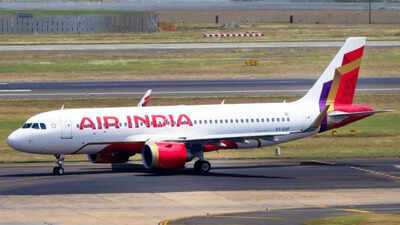
MUMBAI: In a development with direct implications for the investigation into the June 12 fatal Air India Boeing 787 Ahmedabad crash, another Air India Dreamliner saw a fuel control switch move from “run” to “cut-off” after a crew member pressed it to check whether it was locked.
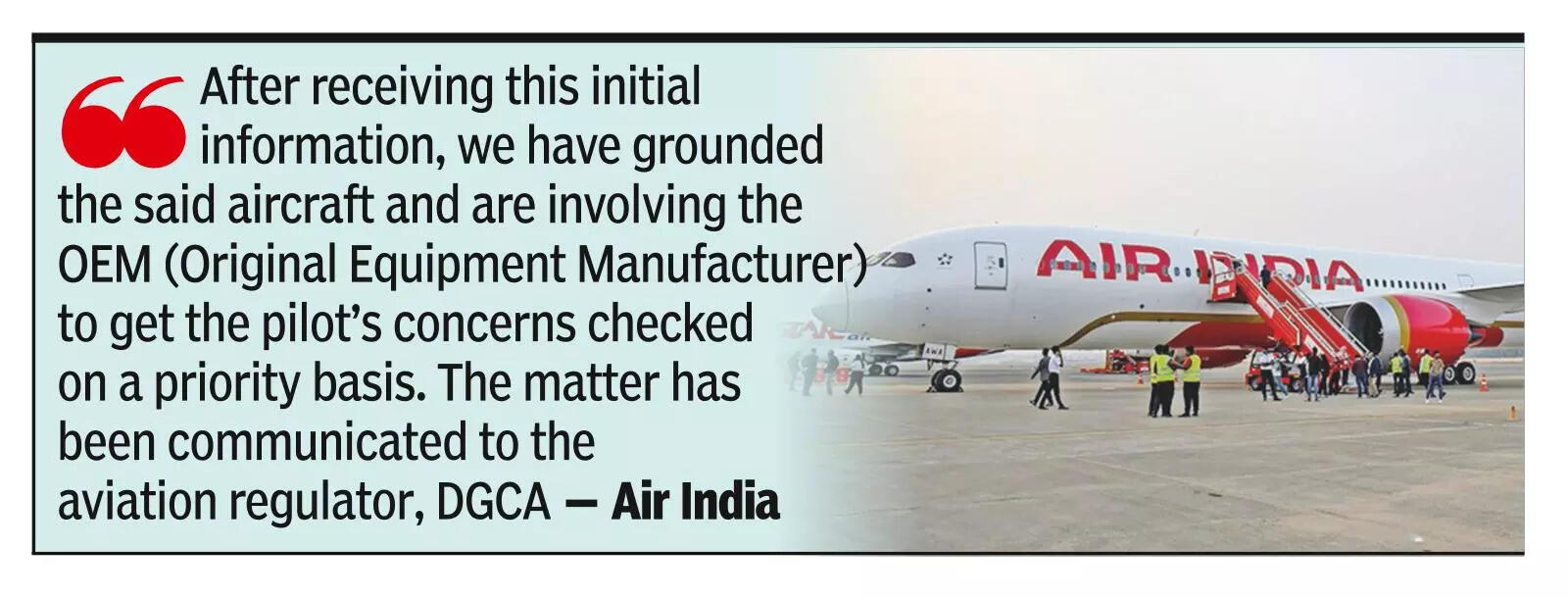
Dreamliner Had Landed In B’luru From London
The switch moved without the required lift action, suggesting the safeguard meant to prevent fuel supply cut off and inadvertent engine shutdown did not function as designed, sources said. The London incident challenges the controversial narrative that the Ahmedabad crash resulted from a deliberate pilot act, pointing instead to a possible and critical technical flaw in the aircraft’s fuel switch design.
The incident occurred on Feb 1 at London Heathrow during engine start of B787 (VT-ANX) operating the 9.05pm Air India flight AI-132 to Bengaluru. The fuel control switches on the 787 require a two-step action: they must be lifted before they can be moved between “run” and “cut-off”. The safety feature is intended to prevent inadvertent fuel shutdown. “The pilot lightly pushed the left fuel control switch to check if its lock feature was working and found it was not because the switch moved though it was not lifted first,” the source said. It again failed to lock the second time. But the third time the switch stayed locked and did not move without lifting. The aircraft departed at 9.40pm for Bengaluru, where it is currently grounded. The London incident brings back to fore the unresolved question around switch design, its locking integrity and the possibility of inadvertent activation, said sources. A senior commander said: “The London incident directly challenges the assumption that fuel switch movement in the Air India crash was manual. Until now, the cut-off transition was treated as near-conclusive evidence of pilot action. The London event shows that uncommanded switch behaviour, through mechanical detent failure, signal corruption or other causes, is a credible failure mode. That places the DGCA’s earlier claim of fleet clearance under scrutiny, as a defect appearing months later suggests inspections may have been visual, non-diagnostic, or incomplete. For AAIB, the implication is clear: fuel cutoff can no longer be equated with intent, the probe must widen to fleet-level and component analysis.”


