

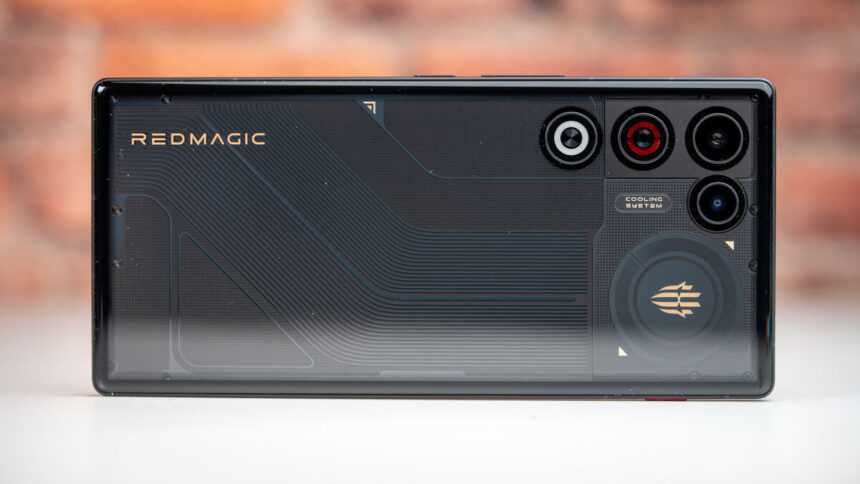
The RedMagic 11 Air takes everything great about the Air 10 and raises its performance to the next level. While it is unapologetically a gaming-first smartphone, it is refined to be slimmer, lighter, and far more powerful than before.
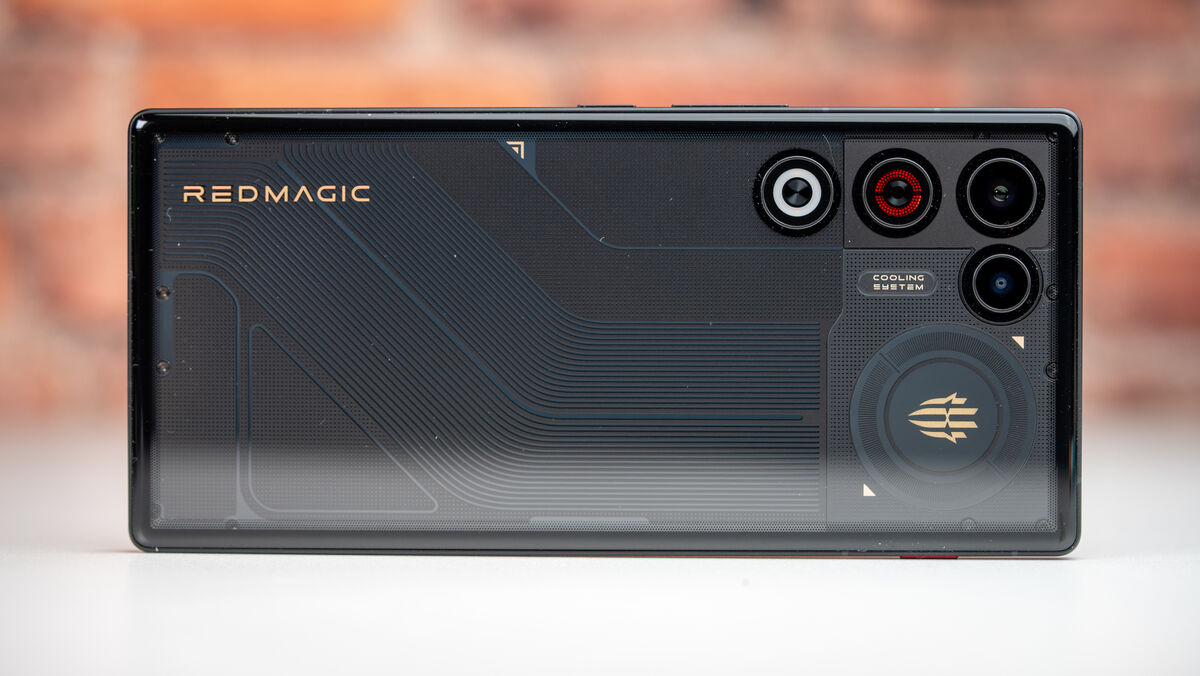
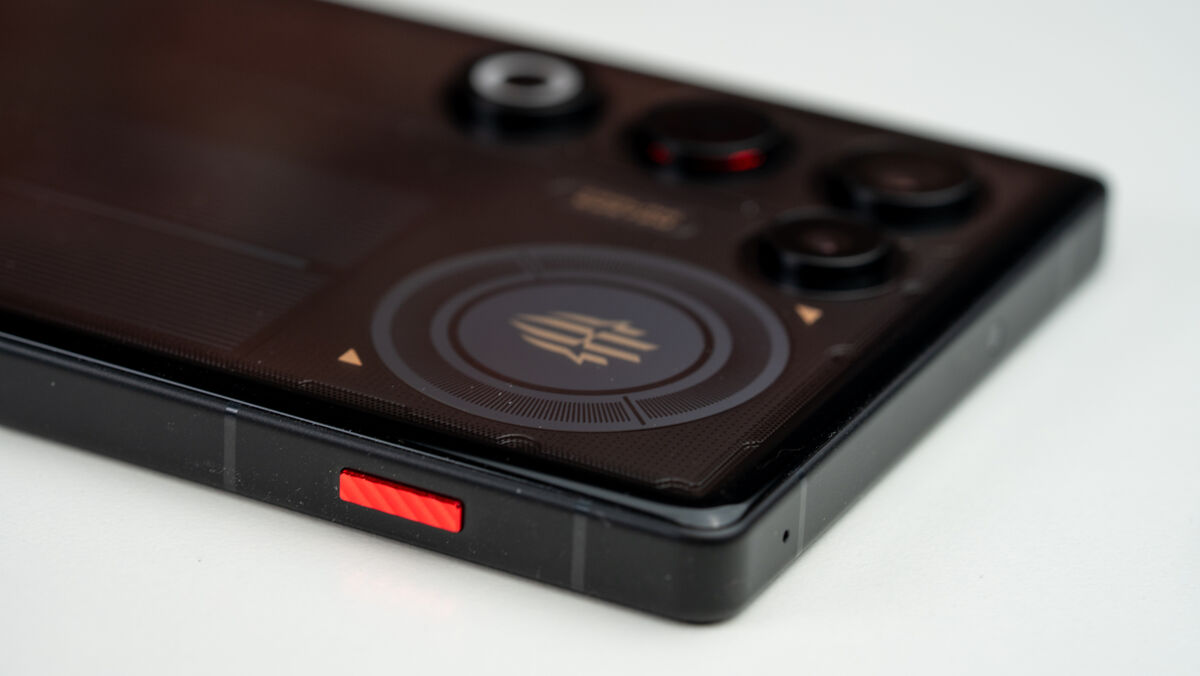
RedMagic has always embraced bold, futuristic design, and the 11 Air carries that forward with a transparent rear panel, visible internal elements, and RGB lighting around the fan and logo. It is clearly a gaming phone, but it feels more refined than the Air 10, and the built-in cooling fan is a big upgrade over its predecessor.
The aluminium alloy frame gives the phone real rigidity, while the glass front and rear add a premium touch. Despite packing serious hardware, the 11 Air is impressively slim at under 8mm thick (the rear cameras protrude an extra 2mm), and my black review unit weighed just over 212g on the scales.
In daily use, it feels noticeably lighter and better balanced than many rival gaming phones. Of course, we’re not talking iPhone Air degrees of lightness and thinness, but considering the hardware under the bonnet, it’s impressively thin and light for a powerful Android handset.
The transparent finish will not be to everyone’s taste, but I appreciate that RedMagic sticks to a strong visual identity rather than chasing mainstream minimalism. IP54 dust and water resistance is a welcome addition too, offering a bit more reassurance during long gaming sessions.
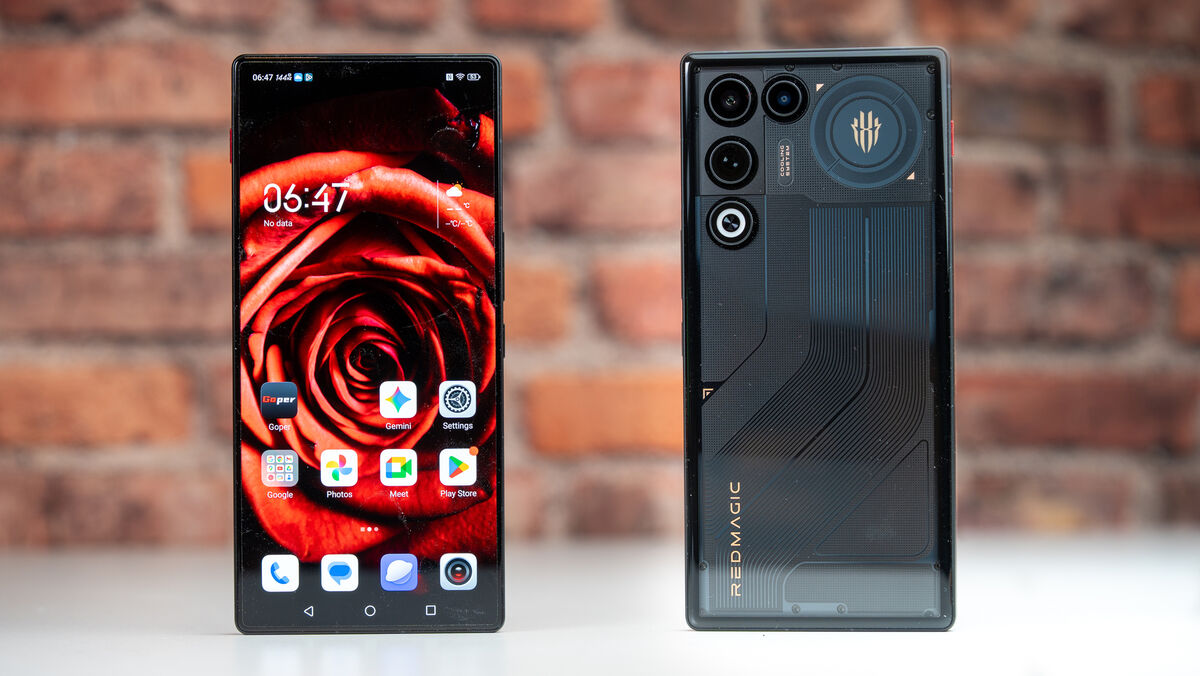
The 6.85-inch OLED display is one of my favourite features of the RedMagic 11 Air. With a 1.5K resolution, 144Hz refresh rate and ultra-thin bezels, it delivers an immersive, edge-to-edge experience that feels purpose-built for gaming.
Colours are vibrant without being oversaturated, brightness is great for outdoor use, and motion looks exceptionally smooth in fast-paced titles. Touch response is excellent thanks to an extremely high touch sampling rate, which makes aiming and rapid inputs feel immediate and precise.
While this is not the absolute brightest panel on the market, it has a good balance between visual quality, responsiveness and power efficiency. For gaming, it is hard to fault.
The 11 Air is powered by the Snapdragon 8 Elite processor and supported by the RedCore R4 gaming chip. My review unit came with 16GB of RAM and 512GB of storage. Performance is outstanding, games load quickly, frame rates remain stable, and demanding titles run comfortably at high settings.
In extended gaming sessions, the phone maintains consistency rather than chasing short bursts of peak performance. That matters more in real-world use, and it shows RedMagic understands its audience.
The upgraded Game Space software allows deep customisation of performance profiles, shoulder triggers, visual enhancements and network behaviour. It can feel overwhelming at first, but once set up, it gives you genuine control over how games run.
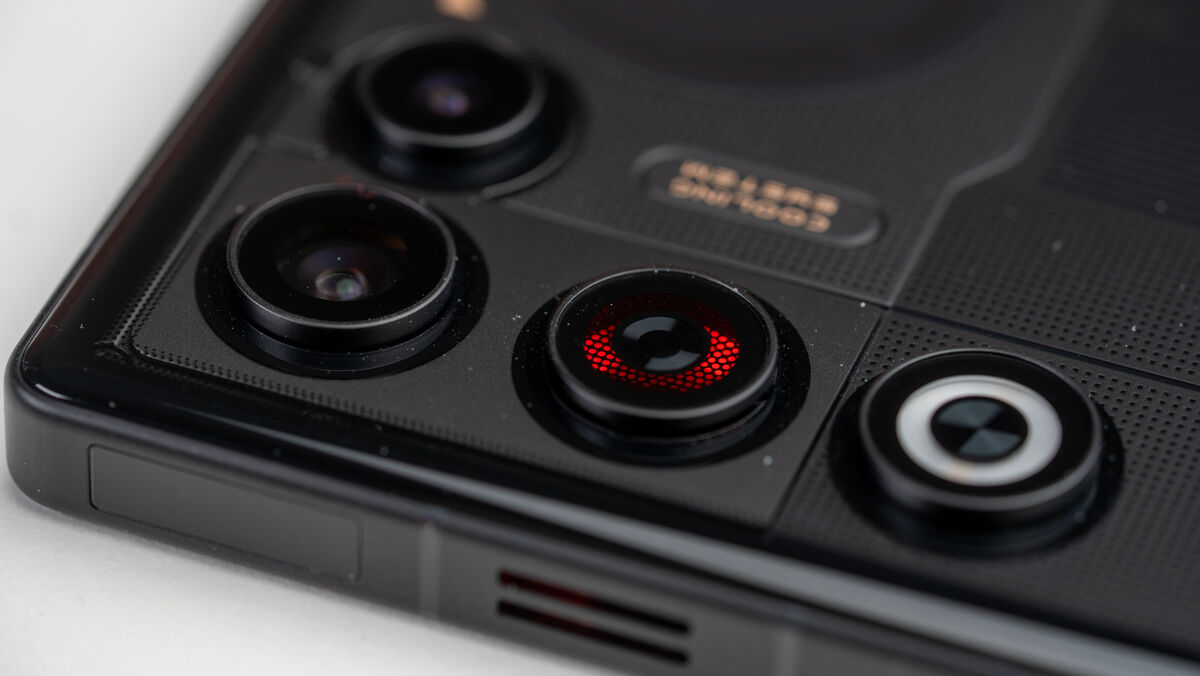
The 520Hz shoulder triggers are among the most responsive I have used on a phone, and they now work in both landscape and portrait modes. They add a console-like feel to shooters and racing games that touch controls alone cannot replicate.
Audio has also been improved, with dual stereo speakers delivering louder, clearer sound than previous generations. Combined with the linear motor’s strong haptics, the 11 Air creates a surprisingly immersive experience without headphones.
The battery capacity is a massive 7,000 mAh for two-day or more battery life, and fast wired charging keeps downtime to a minimum. Charge separation during gameplay helps reduce heat and long-term battery wear, a thoughtful touch for heavy users. One minor downside is that the phone doesn’t come with wireless charging.
Cameras have never been RedMagic’s main focus, and that remains true here. The 50MP main camera produces decent results in good lighting, with reliable colours and effective optical stabilisation. The secondary ultra-wide camera is serviceable, though clearly not a priority.
Low-light performance is acceptable rather than impressive, and this is not a phone I would choose for photography alone. That said, for casual shots, social media and the occasional video clip, it does the job without frustration.
The under-display selfie camera is unobtrusive, keeping the screen uninterrupted, but image quality is merely average. This is a compromise gaming phone buyers are likely to accept.
Having used the RedMagic 10 Air, the jump to the 11 Air feels substantial rather than incremental. In my benchmarks, I saw up to 3x the performance, and while real-world gains vary by game, the difference is immediately noticeable in smoother frame rates, faster load times, and improved thermal stability.
The cooling system has been significantly upgraded, featuring a faster internal fan and more efficient heat-dissipation layers. In practice, this means longer gaming sessions without throttling, something the 10 Air could struggle with under sustained load.
Audio, haptics and shoulder triggers have all seen meaningful improvements, while the overall design is slimmer and lighter without losing the aggressive gaming aesthetic. It feels like RedMagic has taken feedback from the 10 Air and acted on it across the board.
RedMagic OS remains heavily customised, and while it is feature-rich, it is not as polished as stock Android. Menus can feel busy, and mastering all the gaming tools takes time.
That said, stability is good, and features like AI-powered gaming assistance, voice controls, and performance monitoring are useful additions. Once configured, the software largely stays out of the way.
The RedMagic 11 Air is an evolution of RedMagic’s gaming-first philosophy, delivering serious performance in a slimmer, more refined design. It makes sensible compromises outside gaming, but for mobile players, it is one of the most focused and capable phones available at a killer price.
From €499 RedMagic