


Streaming giants including Netflix and Amazon Prime Video risk fines of up to £250,000, or five per cent of revenues, if they offend British viewers under new laws bringing platforms in line with traditional broadcasters.
Major video‑on‑demand services will be placed under “enhanced” regulation by Ofcom and required to follow a new standards code.
Under the rules, companies must ensure news content is reported accurately and impartially and that audiences are protected from harmful or offensive material.
Viewers will be able to lodge complaints directly with Ofcom, which will have the power to impose financial penalties for breaches following a public consultation on the code.
The measures apply to streaming services with more than 500,000 UK users, covering major US platforms such as Netflix, Amazon Prime Video and Disney+, as well as British broadcaster‑run services including ITV and Channel 4.
They will not apply to YouTube, which is regulated separately as a video‑sharing platform under online safety legislation.
The crackdown is intended to align oversight of streaming platforms with that of traditional television broadcasters, some of which operate under stricter rules.
Netflix has previously faced criticism over programmes including 13 Reasons Why, which mental‑health campaigners accused of “glamourising” suicide, prompting the platform to add a warning card.

The measures apply to streaming services with more than 500,000 UK users
|
GETTY
It is also defending a defamation claim linked to Baby Reindeer and has faced scrutiny over true‑crime documentaries such as The Ripper, as well as depictions of real-life royal events in The Crown.
Disney has also attracted controversy over productions including Say Nothing, set during the Troubles, and a drama about the 2005 shooting of Jean Charles de Menezes following 7/7.
The reforms form part of wider changes under the Media Act aimed at modernising broadcasting rules for the streaming era.
The Government is extending prominence rules to ensure public service broadcasters such as the BBC, ITV and Channel 4 can be easily found on smart TVs and connected devices.
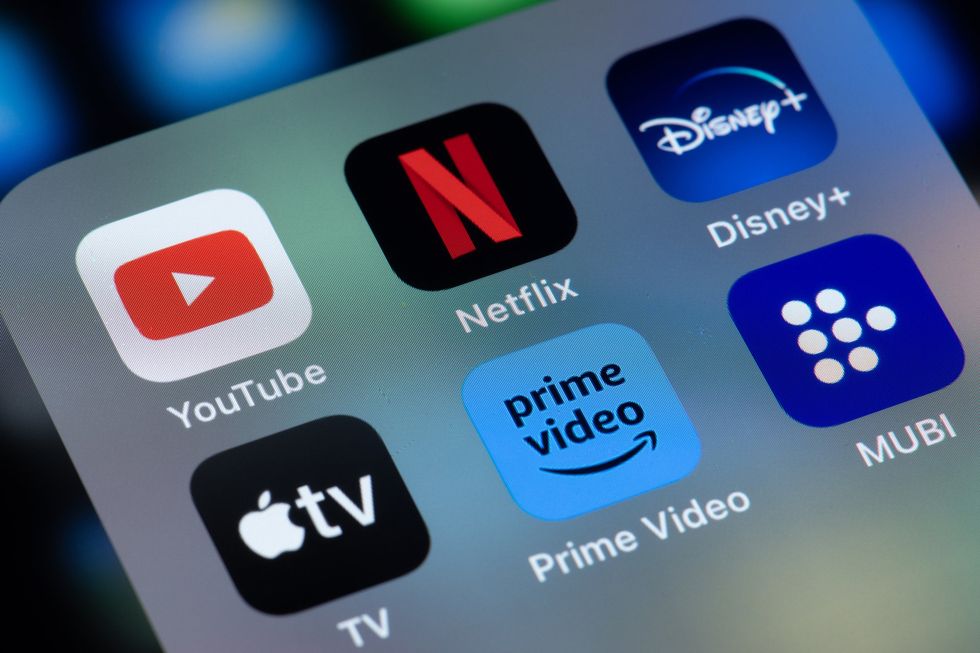
Streaming apps brought under Ofcom regulation
|
GETTY
Ofcom has recommended that prominence requirements should also apply to YouTube, warning that traditional broadcasters risk losing relevance as audiences shift online.
Research by Ofcom shows two thirds of UK households subscribe to at least one of Netflix, Amazon Prime Video or Disney+, while 85 per cent of people use an on‑demand service each month compared with 67 per cent who watch live television.
Younger viewers in particular are increasingly bypassing traditional TV in favour of streaming platforms.
Alongside the new standards code, streaming services will be required to meet accessibility thresholds for disabled audiences, with at least 80 per cent of catalogue content subtitled, 10 per cent audio‑described and five per cent signed.

Squid Game was one of Netflix’s flagship shows last year
|
GETTY
Lisa Nandy said: “We know that the way audiences watch TV has fundamentally changed. Millions now choose to watch content on video‑on‑demand platforms alongside or, in the case of many young people, instead of traditional TV.
“The Media Act introduced vital updates to our regulatory framework which this Government is committed to implementing.
“By bringing the most popular video‑on‑demand services under enhanced regulation by Ofcom, we are strengthening protections for audiences, creating a level playing field for industry and supporting our vibrant media sector that continues to innovate and drive growth across the UK.”