



At least 72 tigers have died in a virus outbreak at two privately operated animal parks in Thailand’s northern province of Chiang Mai, as Bangkok Post reported. The Times of India (TOI) has not independently verified the claims.
What authorities have confirmed
As per the Independent, Thai authorities have launched an investigation into the said virus attack at those popular tourist parks that allow visitors to interact with the big cats. Thailand’s Deputy Agriculture and Cooperatives Minister Amin Mayusoh said laboratory tests conducted on tiger carcasses from parks in Mae Rim and Mae Taeng ruled out avian influenza (bird flu). Tests on chicken carcasses fed to the tigers were also negative for bird flu, according to the Bangkok Post.
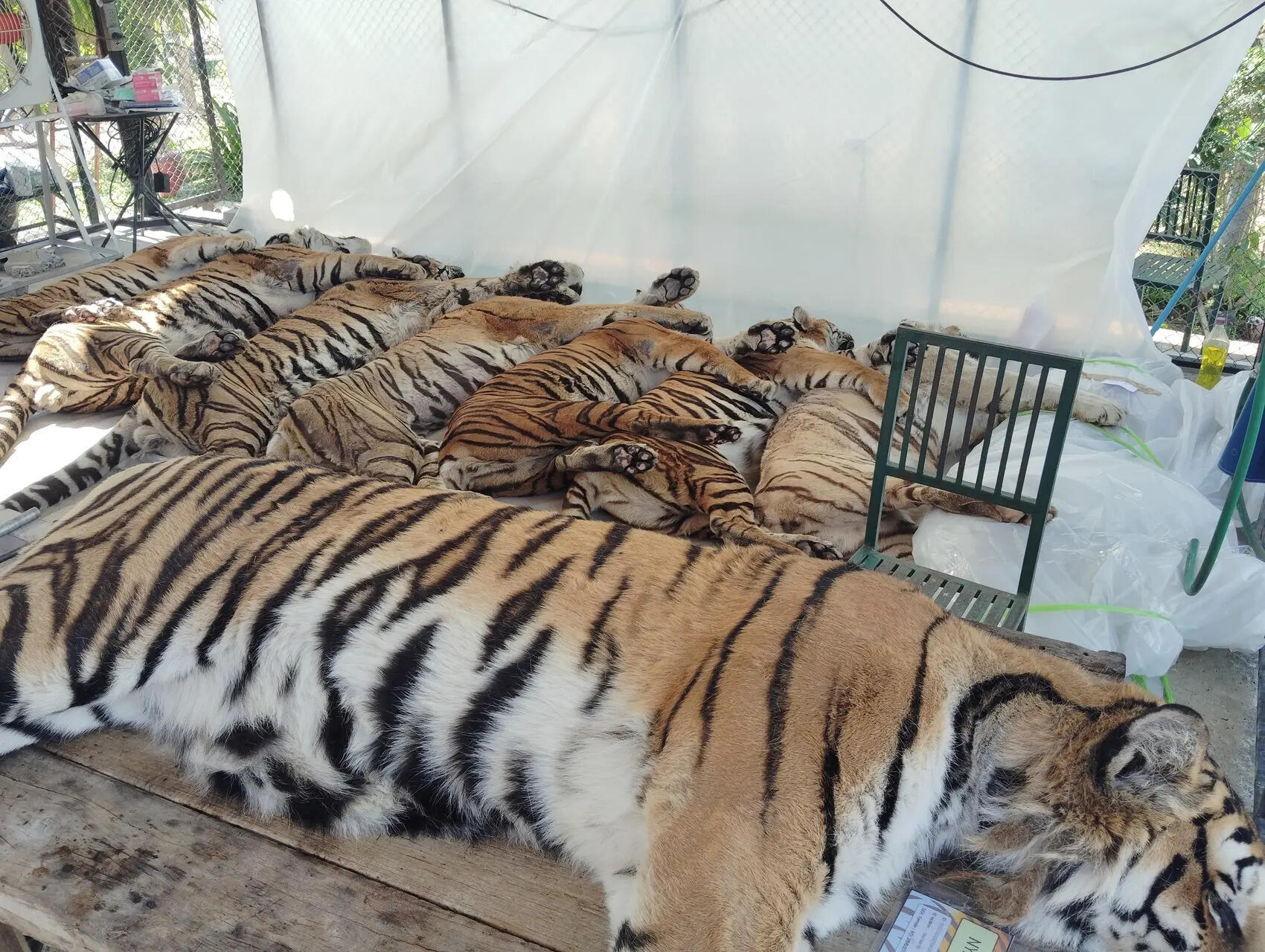
In this handout released by Tiger Kingdom sanctuary in Chiang Mai, bodies of dead tigers are laid in preparation for autopsy near a crematorium in Tiger Kingdom Learning Center in Chiang Mai, Thailand, Thursday, Feb. 12, 2026. (Tiger Kingdom sanctuary in Chiang Mai via AP)
The 72 tigers reportedly died between 9 and 18 February. Somchuan Ratanamungklanon, director-general of Thailand’s Department of Livestock Development, said laboratory results showed the animals had been infected with canine distemper, a viral disease detected in their organs. He stated that earlier speculation about bird flu had been dismissed following testing. Canine distemper, typically found in dogs, can also infect big cats. Officials said the disease spreads easily among animals kept in close quarters, particularly where health monitoring is limited. The illness is often advanced by the time visible symptoms appear. Public Health Minister Pattana Promphat said there was no evidence at this stage that the virus had spread to humans. Authorities added that no further tiger deaths had been recorded after the initial outbreak period, the Bangkok Post reported.Read more: Not just cheetahs: 5 lesser-known wildlife species thriving in Kuno
Details from the parks
The Independent reported that the fatalities occurred across two facilities of Tiger Kingdom Chiang Mai, Tiger Kingdom Mae Taeng and Tiger Kingdom Mae Rim, which together house more than 240 tigers. Between 8 and 19 February, 51 tigers reportedly died at Mae Taeng and 21 at Mae Rim. Authorities confirmed that the remains of the 72 tigers were buried to prevent any risk of them entering the illegal wildlife trade. Initially, cremation had been considered, but due to limited facilities, burial was chosen instead. Officials stated that no skins or teeth were removed and that burial sites were marked with identification numbers. Health officials have placed staff under a 21-day observation period as a precaution, though no veterinarians or park employees have reportedly contracted the virus. The park has been temporarily closed for two weeks to allow for disinfection and sanitation measures.Read more: Japan visa rule change 2026: Walk-in applications end for these 4 south Indian cities
Possible causes and past parallels
Preliminary tests identified the presence of canine distemper virus, a highly contagious disease that affects the respiratory, gastrointestinal and nervous systems. Some samples reportedly also showed bacterial infections linked to respiratory illness. Authorities have not confirmed how the outbreak began. Early speculation included possible infection from feline parvovirus or contaminated raw chicken. Professor Yong Poovorawan of Chulalongkorn University reportedly referenced a 2004 incident in which around 70 tigers at a zoo in Chon Buri died after being fed chicken carcasses during a bird flu outbreak in Thailand. In that case, avian influenza was identified as the cause. Officials also indicated that inbreeding among captive tigers may have weakened immune systems, potentially increasing susceptibility to infection.
Animal welfare concerns
Animal welfare organisations have criticised conditions at tiger tourism facilities, arguing that close interaction between captive wildlife and tourists may heighten stress and disease vulnerability.Groups including Wildlife Friends Foundation Thailand and Peta Asia reportedly said such tragedies could be less likely if wildlife attractions involving direct tourist interaction were avoided. The investigation into the outbreak remains ongoing.