
India is set to remove a statue of iconic British architect Edwin Lutyens as part of its accelerating “decolonisation” drive.
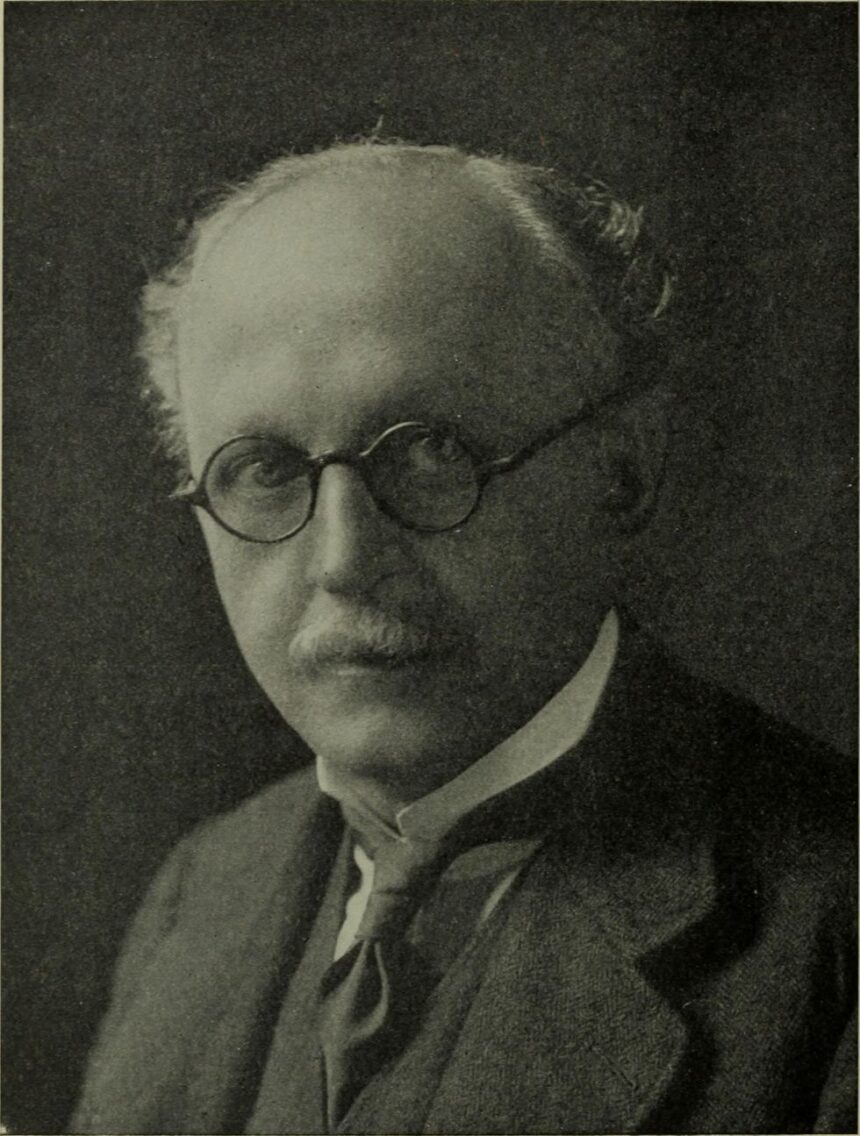
A bust of Sir Edwin will be taken down from the presidential palace, Rashtrapati Bhavan, and replaced with a statue of C. Rajagopalachari – the first Governor-General of India after independence in 1947.
Prime Minister Narendra Modi said: “Today, the country is leaving behind the symbols of slavery and has begun to value symbols related to Indian culture.”
Mr Lutyens was the chief architect tasked with redesigning Delhi after it was declared the imperial capital of British India by George V in 1911.
He drew heavily on traditional Indian and Mughal styles in shaping the new administrative district.
Among his most significant works was Viceroy’s House – designed alongside fellow British architect Herbert Baker – which later became the President’s official residence and was renamed Rashtrapati Bhavan in 1950.
In his monthly radio address, Mr Modi said: “Unfortunately, even after independence, statues of British administrators were allowed to remain in Rashtrapati Bhavan, but those of the nation’s greatest sons were denied space.
“A statue of British architect Edwin Lutyens also stood in Rashtrapati Bhavan. Now, this statue will be replaced by a statue of Rajaji.”
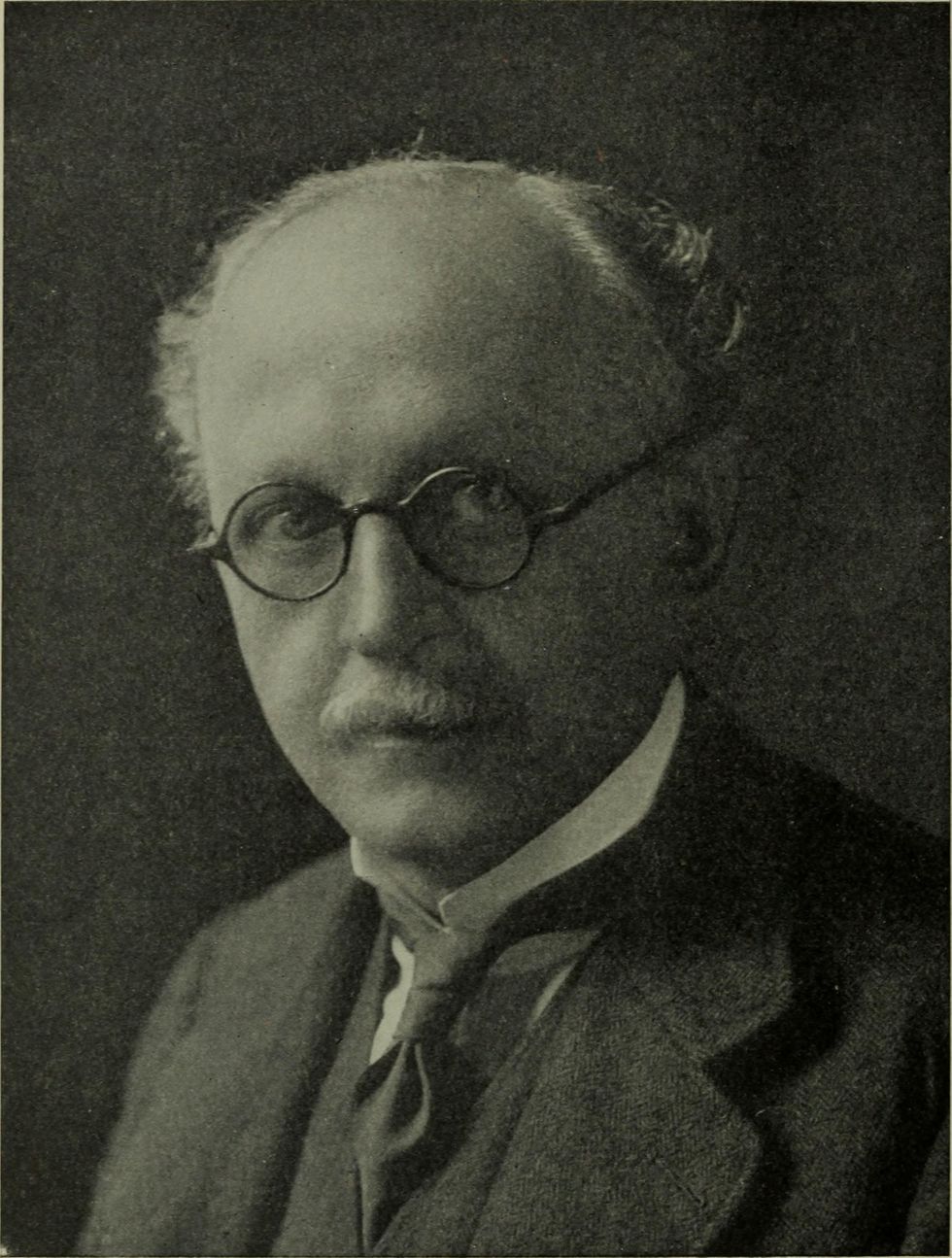
PICTURED: Sir Edwin Lutyens’s bust is set to be removed from India’s presidential palace
|
WIKIMEDIA
New Delhi’s central administrative zone is still commonly referred to as “Lutyens’ Delhi” in recognition of his architectural legacy.
This includes the Lutyens Bungalow Zone – nearly 7,000 acres of residences built for senior officials and ministers – which was listed among the World Monuments Fund’s 100 Most Endangered Sites in 2002.
Mr Lutyens also designed India Gate, commemorating Indian soldiers who died in the First World War, and the The Cenotaph in London.
Mr Modi has repeatedly moved to remove colonial-era symbols.
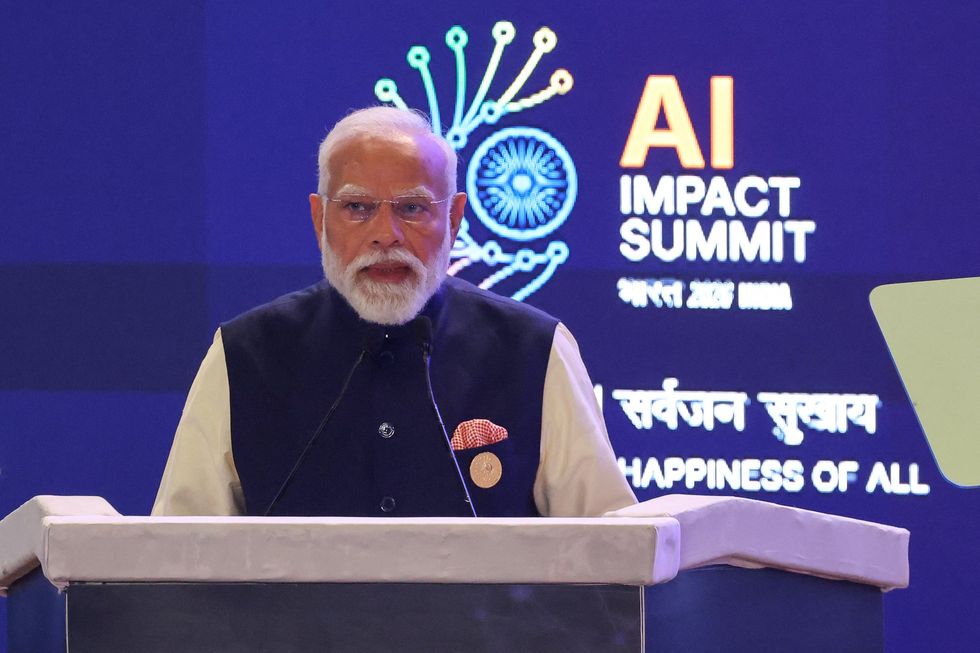
Narendra Modi will be removing the bust and replacing it with one of C Rajagpalachari
|
GETTY
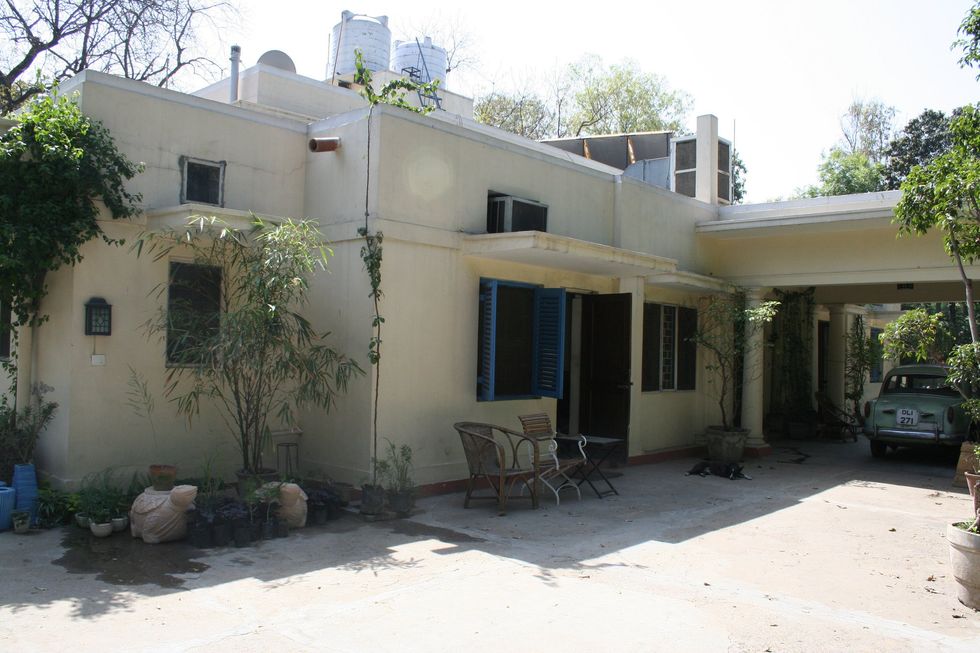
PICTURED: One of the bungalows within the Lutyens Bungalow Zone
|
WIKIMEDIA
In 2022, he introduced a new ensign for the Indian navy in place of the St George’s Cross, a move he said removed “the remaining traces of slavery and a colonial past”.
He also renamed the Raj Path, which translates to King’s Way, to the Kartavya Path, which translates to the Path of Duty.
Some universities began teaching medical degrees in Hindi, removing the need to learn English.
Last month, railway staff were banned from wearing the traditional uniform of a “prince suit”, a black jacket with a Chinese collar that was introduced by the British in the 19th century and modelled on western railway uniforms.
The new statue of Rajagopalachari will be unveiled on Monday in the Rashtrapati Bhavan central courtyard.
Mr Modi has repeatedly affirmed that he intends to eradicate India’s “mindset of slavery” within a decade.
As part of his Five Pledges unveiled on India’s Independence Day in 2022, the Indian PM vowed to rid the country of the “psychological impact” of the British Raj by 2035.
He also pledged to reduce India’s dependence on adopting other country’s educational , economic and governmental systems, and revitalise the country’s ancient traditions to create a greater sense of cultural pride.