

The US merchandise trade deficit hit a record $1.2 trillion dollars last year, despite President Donald Trump’s promise to eliminate it by imposing wildly swinging tariffs on foreign-made products, which, as of Friday morning, have now been ‘struck down’ by the US Supreme Court.
The high court, in its ruling, stated that the US President does not have unilateral authority to impose import taxes. Advising that tariffs were a tax, and as such, the power to tax belongs to Congress as the legislative branch. The President must ‘point to clear congressional authorisation’ to justify his extraordinary assertion of that power, the majority court ruling advised.
At issue were the so-called “Liberation Day” tariffs that Trump imposed last April, citing emergency authority drawn from the International Emergency Economic Powers Act, or IEEPA. The law had never been applied to collect import taxes before, and Trump’s extraordinary application of it has now been ruled illegal.
As the Supreme Court progressed through its deliberations over the past number of months, scores of US businesses heavily impacted by the tariffs instituted legal claims on the basis that the Trump tariff regime was illegal. These ended up before the Court.
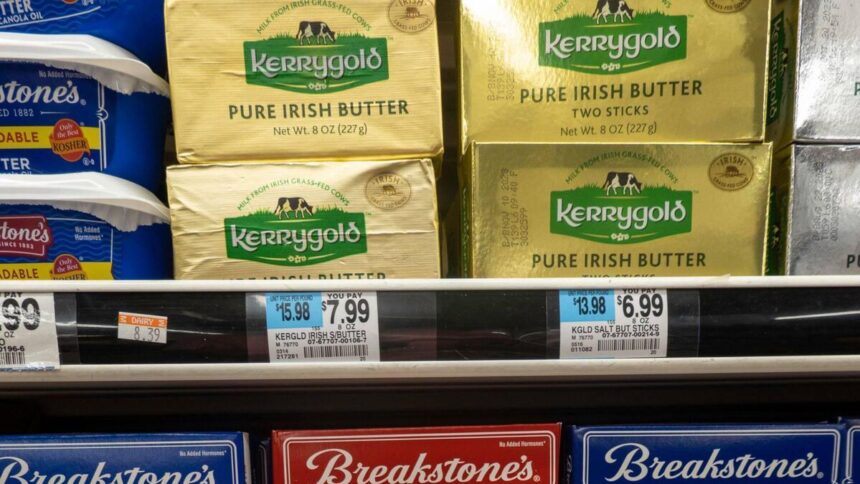
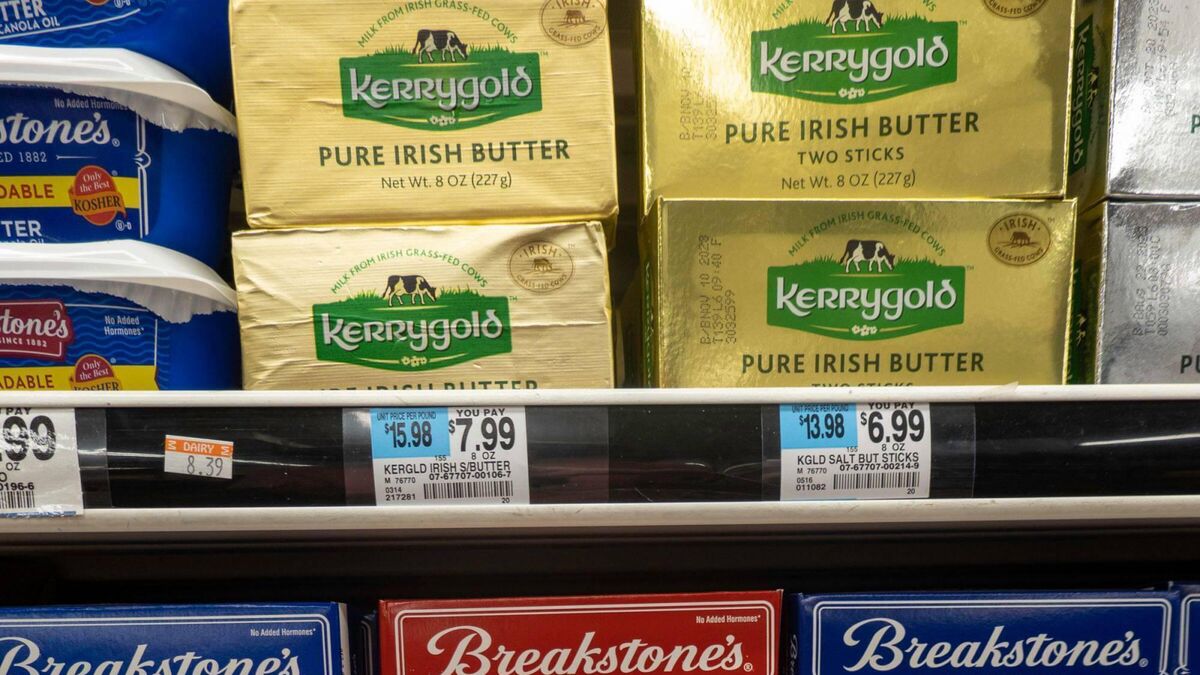
Some Irish exporters faced setbacks from the tariffs, especially in the dairy sector—affecting butter exports from companies like Ornua’s Kerrygold—and the whiskey sector, such as Irish Distillers’ Jameson. However, Ireland’s pharmaceutical sector, which exports most of its goods to the US, was exempt from these tariffs but agreed to ensure that future factory investments would be in the US. But services exports, which account for over half of Ireland’s international trade, were untouched by tariffs. Therefore, the Supreme Court’s decision is unlikely to significantly influence most Irish industries, particularly the major US tech corporations Microsoft, Meta/Facebook, Alphabet/Google, IBM and Oracle, which provide the bulk of corporate taxes.
A more pressing concern for businesses in Ireland and globally is what alternative measures the Trump administration might adopt to sustain revenue from the existing tariff framework. There may be a wave of Section 232 executive orders under the Trade Expansion Act, which in June 2025 imposed a 50% tariff on EU steel entering the US. This was later reduced to a quota system with a 25% tariff and remains unaffected by the Supreme Court ruling. It might be a matter of better to let sleeping dogs lie.
During the past year, customs duties collected by the Trump administration are estimated at $264 billion—a notable increase compared to previous years. US Treasury data shows this sum includes both new “Liberation Day” tariffs and earlier tariffs. In 2025, approximately $129bn (€109.5bn), or about half the total, originated from IEEPA tariffs now’’ struck down’’.
Many American businesses and consumers would welcome the removal of these special tariffs, based on economic analysts’ surveys indicating that 90% of the tariff burden was borne by US importers, wholesalers, and consumers rather than foreign exporters.
What has not been determined is whether the US government may be obligated to issue refunds, but the Supreme Court, in its judgement says nothing about refunding tariffs already collected.
Most analysts estimate that approximately one-third of Trump’s tariffs will remain in effect, as many of the Trump administration’s executive orders applied import taxes under separate legal authorisations, for example, on lumber, furniture, steel, aluminium, and more.
Trump administration officials also publicly stated their intention to pursue other unilateral powers to stand up the tariff regime if the Supreme Court struck it down. Donald Trump has started this fight back with his Friday announcement of a global 10% tariff on all imports. So, we can expect a continuity of legal challenges and counter Supreme Court rulings.
However, there is historical evidence that Supreme Court rulings on international trade tariffs have been made to stick. In the late 1990s, the U.S. government provided $750m (€636.6m) in tariff refunds to importers after the Supreme Court ‘’struck down’’ a harbour maintenance tax which had been applied to thousands of companies. The scope of the refunds was much smaller when compared to what’s in play now, but the federal government had to comply and refund the tariff money; it took several years be released. So, it may fall to the next government to actually pay out any refunds.