

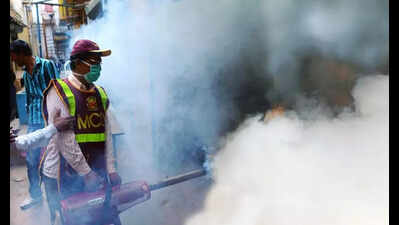
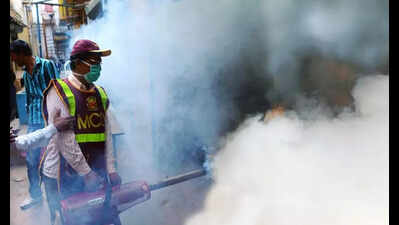
Pune: The district recorded highest number of chikungunya cases (22) and second most dengue infections (44) across the state last year, underscoring the need for public awareness and mosquito-control measures. Health department data showed that the state recorded 14,159 confirmed dengue cases and 3,439 confirmed chikungunya cases in 2025. Dr Aparna Patil, district malaria officer, said, “Pune is the only district where samples are tested at the National Institute of Virology (NIV). Other districts rely on their own sentinel centres. Because NIV offers high-accuracy testing, false negatives are eliminated. Each sample is tested for both dengue and chikungunya, so co-infections are counted as separate cases, which can increase total cases. Most infections occur among workers and migratory populations, and are largely sporadic.”The state also recorded 21 dengue-related fatalities in 2025, none from Pune district. Dr Rajesh Dighe, assistant health officer, Pune Municipal Corporation (PMC), said, “Pune city reported one-third of dengue cases in 2025 as compared to 2024. So, our numbers have been going down.”Dr Vineet Rao, consultant, internal medicine, Jupiter Hospital, said the rising number of dengue and chikungunya cases in Pune were concerning. “Extended monsoon periods and resulting water stagnation create ideal breeding conditions for Aedes mosquitoes. Rapid urban growth further contributes to the problem. Hospitals have seen several patients presenting with high fever, rashes and severe joint pain (symptoms typical of these infections). While many cases are manageable with hydration and supportive care, patients with chronic diseases often require hospitalisation,” Dr Rao said. He said early diagnosis and timely medical intervention were essential to reduce complications. Dr Danish H Memon, senior consultant and head of the department of medicine, Noble Hospitals and Research Centre, said chikungunya typically caused fever and joint pain, along with swelling and rashes in some cases. “Most patients recover within a week, though joint pain can persist for months. Rarely, severe complications like chikungunya encephalitis and multi-organ involvement may occur, as seen during the 2024 surge. Dengue usually begins with fever, body aches and intense back pain. While most patients recover within a week with proper medical care, severe cases may develop rashes, abdominal pain, persistent vomiting and bleeding, which can lead to shock and multi-organ failure. Treatment is largely symptomatic, with a focus on hydration and monitoring blood counts. Antibiotics have no role in treating either dengue or chikungunya,” Dr Memon said.