

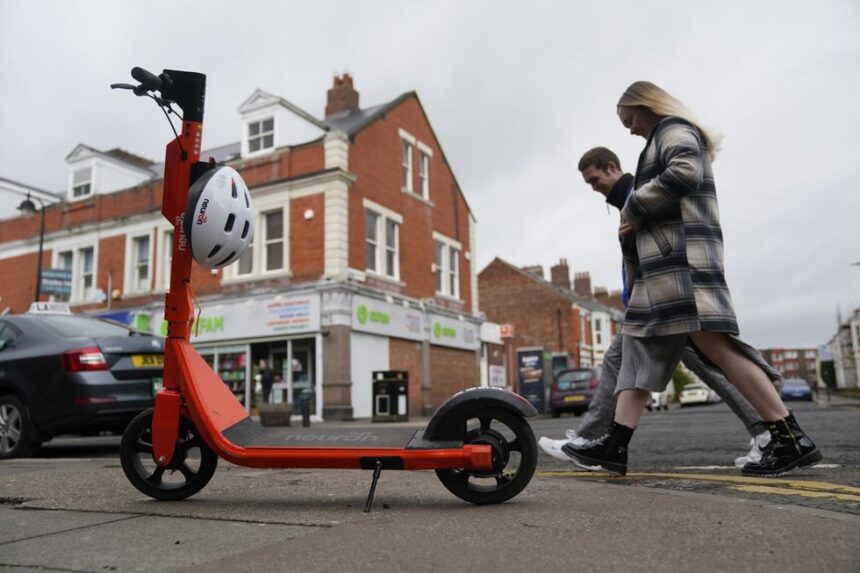
Labour has been urged to make new electric scooter rules clearer after a senior policing figure warned that officers need firm powers and simple guidance to enforce any changes.
John Campion, the Police and Crime Commissioner overseeing West Mercia Police, said the Government must ensure forthcoming legislation includes a “clear and enforceable framework” for officers on the ground.
His comments come as ministers look at reforming e-scooter laws, which remain widely used despite strict limits on private ownership and road use.
Mr Campion said he agreed with the Transport Secretary Heidi Alexander’s recent remark that the “genie is out of the bottle” when it comes to e-scooters in Britain.
However, he warned that without firm national rules, both the public and police risk being left in confusion over the regulation of e-scooters.
“Clear national guidance will be essential,” he said, adding that any new system must spell out exactly what is legal and how it will be enforced.
At present, privately owned e-scooters are banned from public roads and pavements in the West Mercia area unless they are part of official rental trials.
Under existing legislation, they are classed as motor vehicles, meaning riders must have the correct licence and insurance. Anyone caught breaking the rules can face a £300 fine and six points on their driving licence.
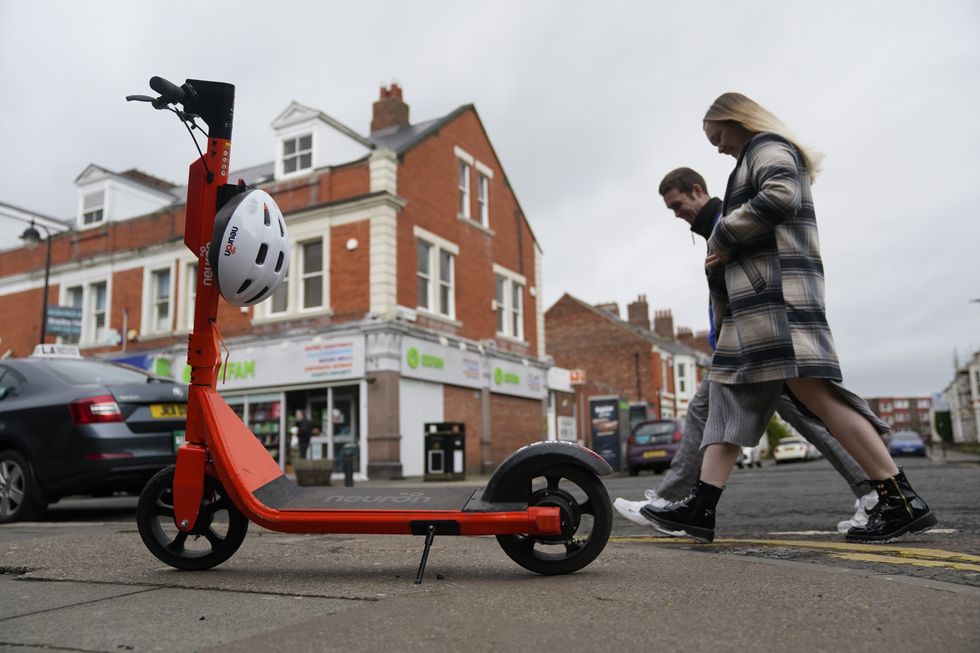
E-scooters can only be used in trial areas or on private land, with the Government looking at bringing in tougher rules for operation
|
PADespite this, an estimated one million privately owned e-scooters are believed to be in use across the UK.
Mr Campion revealed that in the past five years, e-scooters have been linked to one fatality and 11 serious injuries in the West Mercia force area alone.
During the same period, officers seized and destroyed 95 e-scooters and e-bikes being used illegally.
Looking ahead, Mr Campion warned that changes to the law could bring fresh “operational challenges for policing” unless ministers build clear enforcement guidance into the legislation itself.
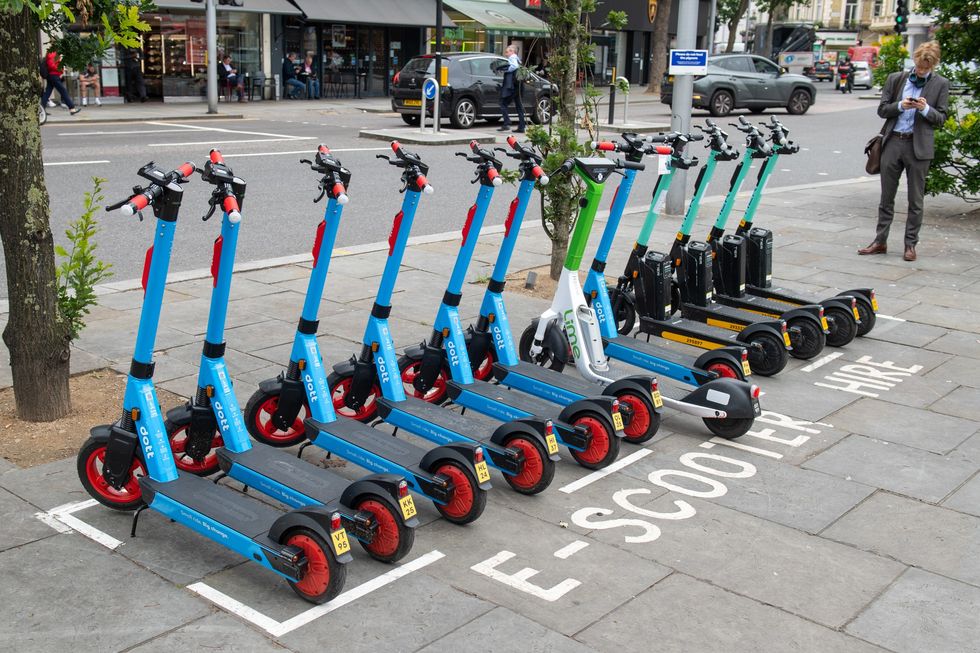
E-scooters can only be used in trial areas in the UK
|
PAHe urged Labour to work closely with police forces, road safety groups and industry experts while drafting the new rules, to ensure they are practical and workable.
While acknowledging that the law needs to catch up with the rapid growth in e-scooter use, he said lawmakers must ensure the rules can be realistically enforced on Britain‘s streets.
Mr Campion also raised concerns about safety, warning of a “growing trend” of e-scooters being modified to reach higher, and often illegal, speeds. Such alterations, he said, pose serious risks not only to riders but also to pedestrians and other road users.
He added that many users operate the devices without appropriate safety equipment, further increasing the danger for fellow road users and pedestrians.
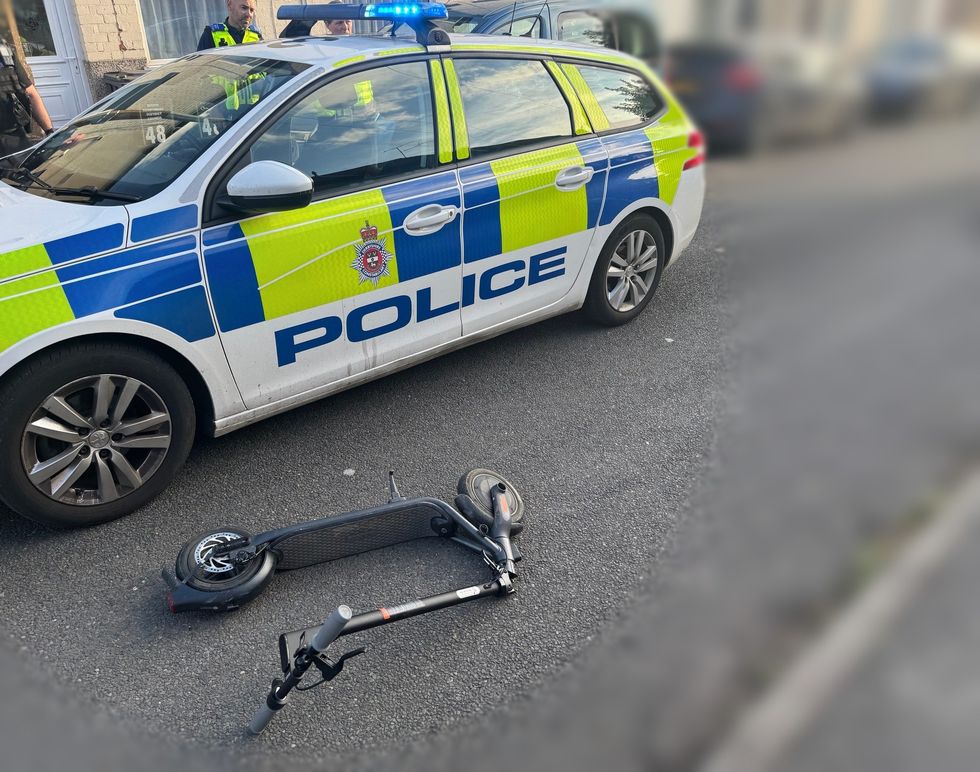 E-scooters can be seized by police for being operated illegally on UK roads | DERBYSHIRE POLICE
Beyond safety, the commissioner highlighted the increasing misuse of e-scooters by criminals, noting that drug dealers are taking advantage of the vehicles because they are quiet, quick and easy to manoeuvre.
This, he warned, risks adding another layer of complexity for officers trying to tackle crime while also policing traffic offences.
The combination of illegally modified scooters, lack of safety gear and criminal exploitation has created what Campion sees as a complicated enforcement landscape
He believed that unless the Government addresses these issues directly, any new legislation risks falling short in practice.