In India’s evolving landscape of ultra-luxury real estate, few private residences capture imagination the way the expansive estate of Savji Dholakia does. Known widely as the “Diamond King of India” and the driving force behind the Surat-based diamond enterprise Hari Krishna Exports, Dholakia’s personal property reflects not just wealth, but a carefully planned vision of land use, community living, and long-term legacy. All the information about this luxury home features and interiors, here is based on the YouTube vlog published by Curly Tales.
A 50-acre residential ecosystem
Spread across nearly 50 acres in Surat, the private estate, often described as resembling a luxury resort, redefines the scale of residential real estate in India. Rather than a single mansion the property is designed as a self-contained residential ecosystem where extended family members live in separate villas within the same gated landscape. This layout merges privacy with proximity creating a model similar to a boutique township developed for a single family.From a real-estate planning perspective, such low-density villa development across a large parcel of land represents a premium land-use strategy. Instead of vertical construction, the estate prioritises open space, greenery, and resort-style amenities, features increasingly valued in high-end residential markets after the pandemic’s shift toward wellness-oriented living environments.
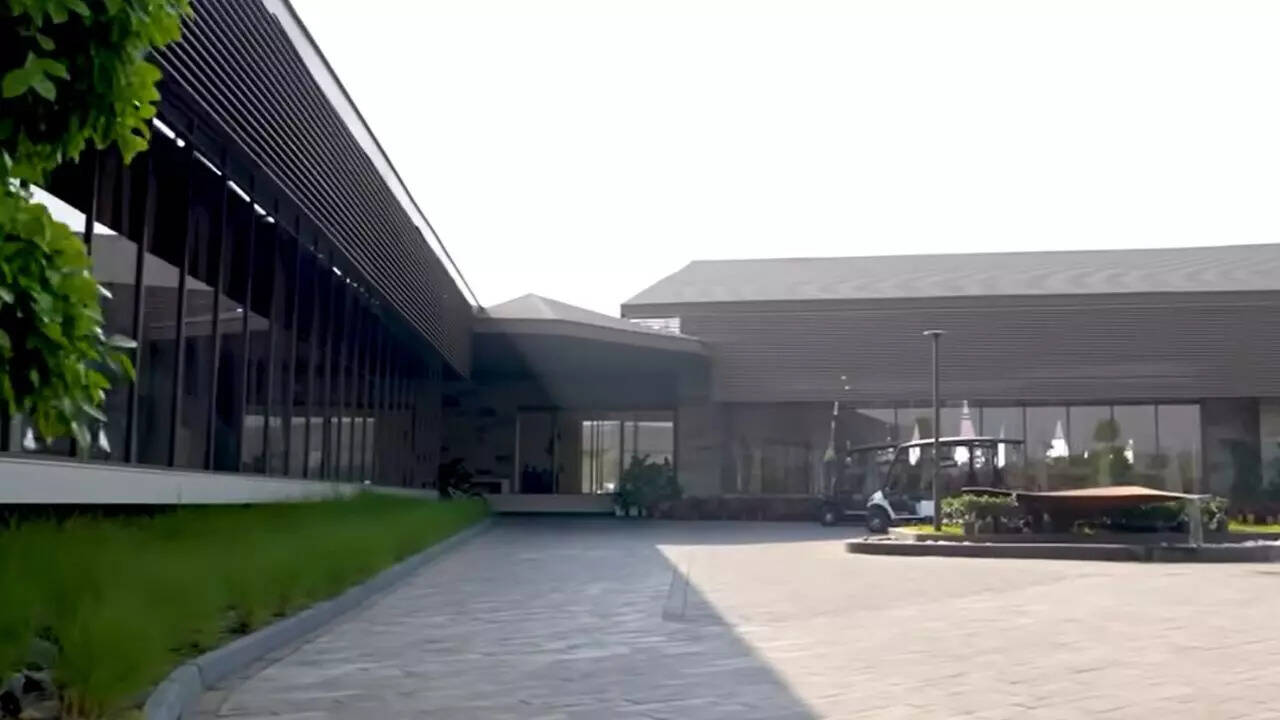
Image Credit: You Tube/ Curly Tales
Resort-style amenities and lifestyle planning
The design philosophy of the property is an extension of hospitality architecture rather than traditional residential architecture. The landscaped gardens, leisure areas and common recreational areas turn the property into a lifestyle destination rather than just a dwelling place. This is a reflection of the overall trend in luxury residential properties, where the value of the property is driven by experiential living, wellness, leisure and nature integration rather than the built-up area or construction cost.Housing multiple generations across independent villas also signals a shift toward family-centric estate planning, a concept gaining relevance among India’s ultra-high-net-worth individuals. By consolidating land ownership while decentralising living units, such estates preserve privacy without fragmenting family geography.
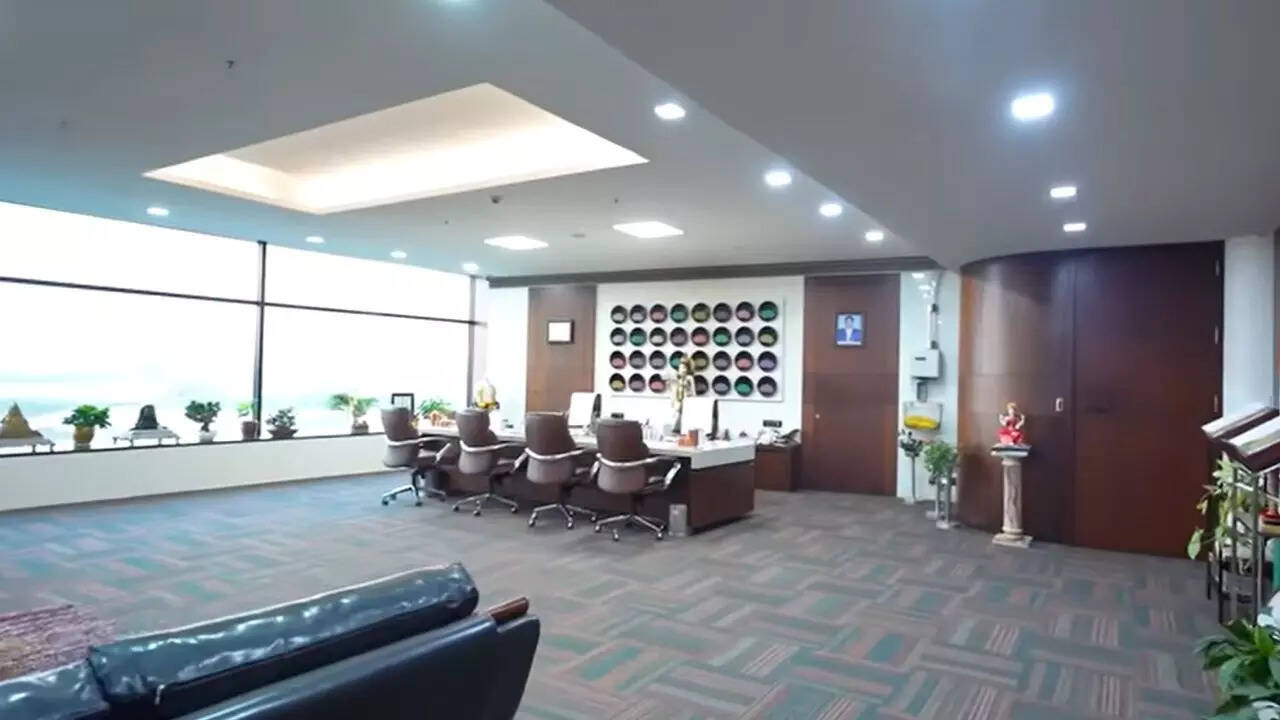
Image Credit: You Tube/ Curly Tales
Land as legacy and identity
The fact that Dholakia’s own story began with his arrival in Surat many years ago with very little, and that he has since created a worldwide diamond business, lends symbolic significance to the size and construction of the estate. The estate represents the tangible expression of business success and the achievement of stability which often becomes the ultimate repository of wealth through real estate.This philosophy is in line with the overall investment pattern of the rich business families in India, who tend to invest their money in residential complexes with a large land component, which has emotional as well as appreciating value. The private estates also have the flexibility of being developed in the future for different uses.
A benchmark in ultra-luxury Indian Real Estate
While India hosts many high-value private homes, Dholakia’s 50-acre residential campus stands apart for its scale, planning logic, and community-oriented design. It blurs the boundary between private residence and curated residential township, hinting at how future luxury developments may evolve, toward space, sustainability, and shared family infrastructure rather than sheer architectural opulence.In this respect, the estate is more than a personal retreat. It symbolises a progressive real estate model where land, lifestyle, and legacy meet, providing a glimpse into the way India’s richest homeowners are redefining the concept of luxury living in the 21st century.