
It’s a strange time to be an independent musician; venues are closing, touring costs are rising, and the new age of technology has both helped and hindered the reach of musicians.
So how do you get a following, an income and a sustainable gigging calendar in a brand new country? Here is how I played over 100 shows in just seven months in the US.
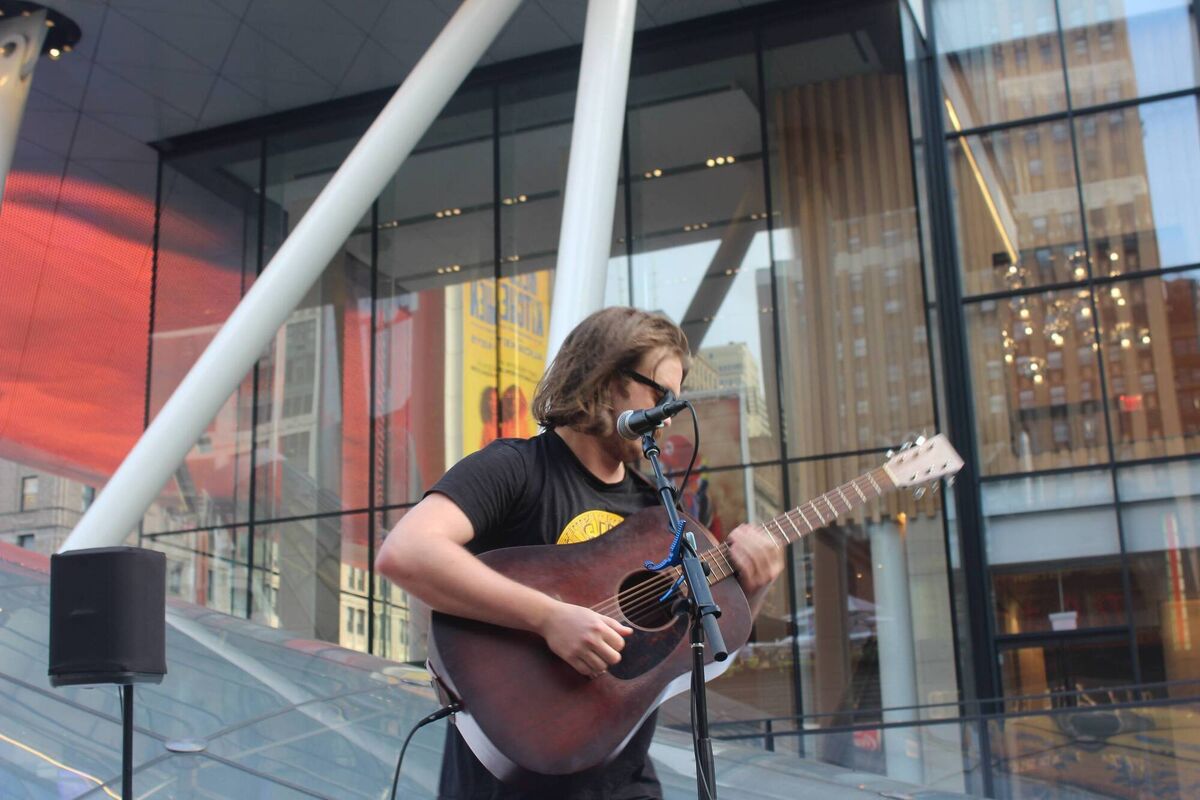
The week that I moved, I made macro and micro choices. The macro: large-scale videos detailing my idea to head to the US and my desire to play music. I posted the video on every platform and received amazing messages of support including strangers commenting with artists, venues and groups to contact or join. The micro: emailing every artist I had ever worked or had connections with to ask for advice or suggestions. Both steps ended up giving me a contact list that filled a small notebook.
And this leads to:
Every opportunity needs to be accounted for. If you jump into the void of cold emailing without keeping track of who you have contacted you might find yourself overwhelmed, or worse, emailing the same contact multiple times (the only thing worse than cold emailing someone is doing it multiple times).
So, write out every contact you have, formulate your email and contact them, ticking their name off from your list. Give it a month, if you don’t hear back, send a second email, jot down a second tick. In my experience, if they don’t write back after the second tick, it’s probably time to move on and make a note for future reference. This helps to keep track of your goals and gives you an overview of what you have already done.
An EPK (or electronic press kit) is your musical CV. It can show your bio, previous press releases, your music, live performance videos and whatever you feel best represents you as an artist! Sending your EPK with your emails gives the person or venue you are contacting a rundown on your work and minimises the need for endless Googling.
The “two-click rule” in web design states that users should find what they need within two clicks, and that goes the same for pitching your music. Creating a one-page or site with everything the recipient needs to know about you within one click showcases how you hold yourself and your music professionally.
While I personally use my own website to house my EPK, I would recommend Adobe Express to those who want an easy step-by-step way of creating this page.
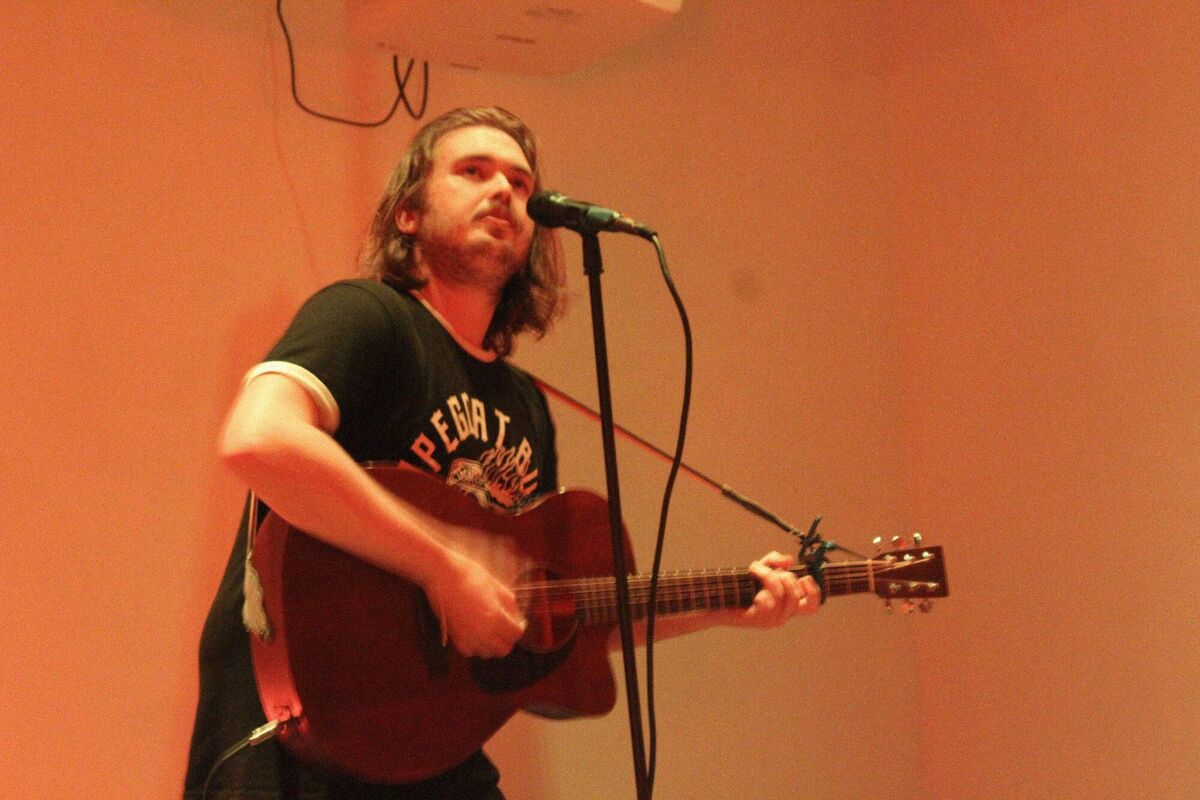
If you have emailed saying that you are available for a show on February 6th, but your flight doesn’t land until the 7th, then it’s not going to impress them (you’d be surprised how often people run into this problem). If you have stated you only need a guitar stand and a mic, but show up with two banjos and a ukulele, you will not impress them (again, this happens a lot).
Be honest with what you can feasibly do for your show. In these discussions, include your cost if the show is paid, provide a stage plan of the equipment you have and need for the show and go that extra mile and give your availability to help market or set up the venue.
You’d be surprised to learn that some of my best relationships with venues happened because I showed up 30 minutes early, with my own guitar cables and helped take down the mic stands at the end of the night. When you get off the stage, you’re still in front of the venue that hired you, and every step you make, or misstep you take, can affect your relationship going forward.
And finally, my most important advice:
It’s an obvious one, until you’ve already worked all day, it’s pouring rain, the gig is 15 subway stops away, and you haven’t made dinner. That’s when the decisions become vital, and where microwave meals or meal planning can help. When I first moved to the US, I arrived with the mindset of accepting every opportunity from showcases, open mics, support slots and even festival days in the park.
Here’s the catch, those first three months included very few paid shows; it’s a prevalent issue across every music scene. You are etching your name into the community, building your fan base and building trust with venues of your worth.
So what do you do while you’re building up your name? For me, I taught music during this time through online and in-person lessons, helped write chord charts for musical theatre shows and even moved pianos and other instruments from one stage to the next.
I used these jobs to make just enough money to go play a ten-minute slot outside the city. It was worth it, because slowly, venues came back and offered more shows, better times and better door splits! I began regularly playing at least four times a week.
Each show, particularly in New York, led to a new contact, to a new venue and to another opportunity to say ‘yes’! Music venues want more music and they trust the advice of their local music communities when finding new music. If you go to open mics in New York City you will more than likely meet pools of talented people who want to build up their community.
I left New York with over 100 shows played, more musical contacts in my notebook, a host of co-writes, my streaming numbers reached new heights (not Adele heights, but modest folk singer heights) and a new album written and recorded in New York with the help of my new friends.
Whether in the US or Ireland, if you are an independent musician looking to add more gigs to your calendar, these steps might help to say ‘yes’ to the opportunities and play your music.
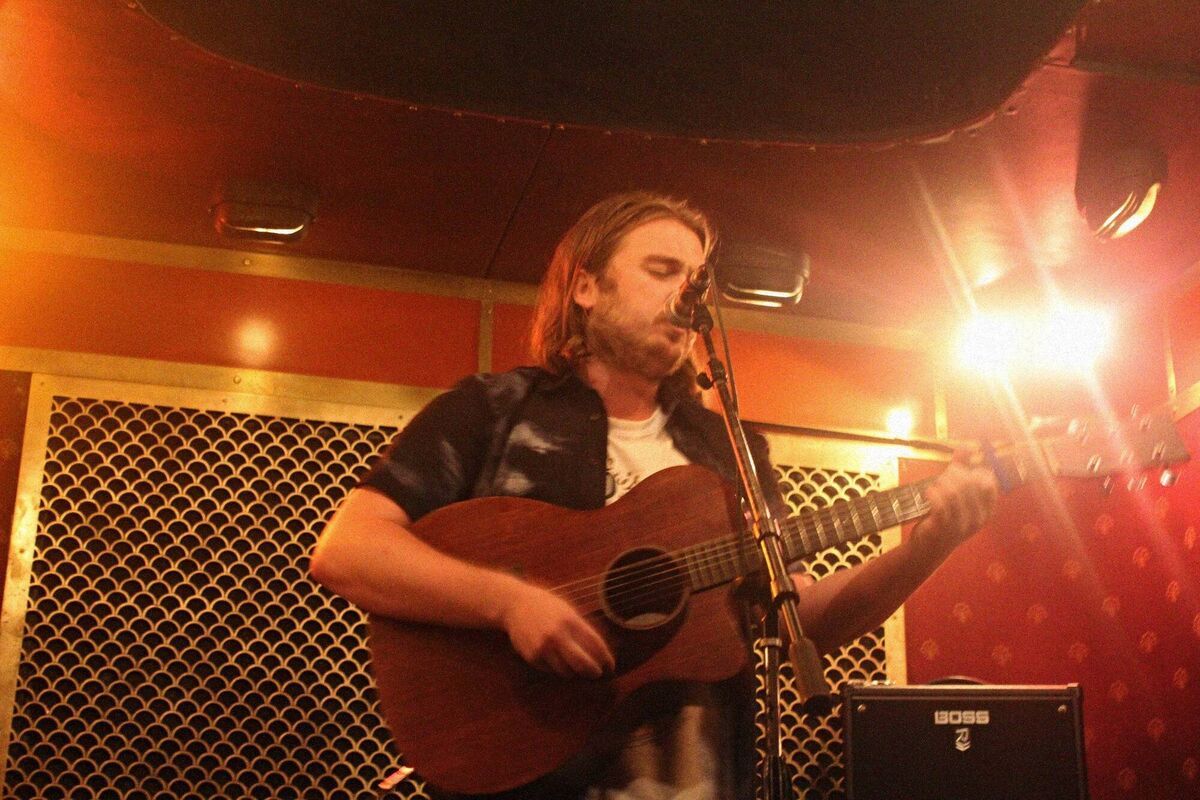
Currently back in Ireland, Podge Lane is playing two headline shows, one in St Catherine’s Cultural Centre in Kinsale on Friday, March 6, and the other in Marino Church in Bantry on Saturday, March 21.