

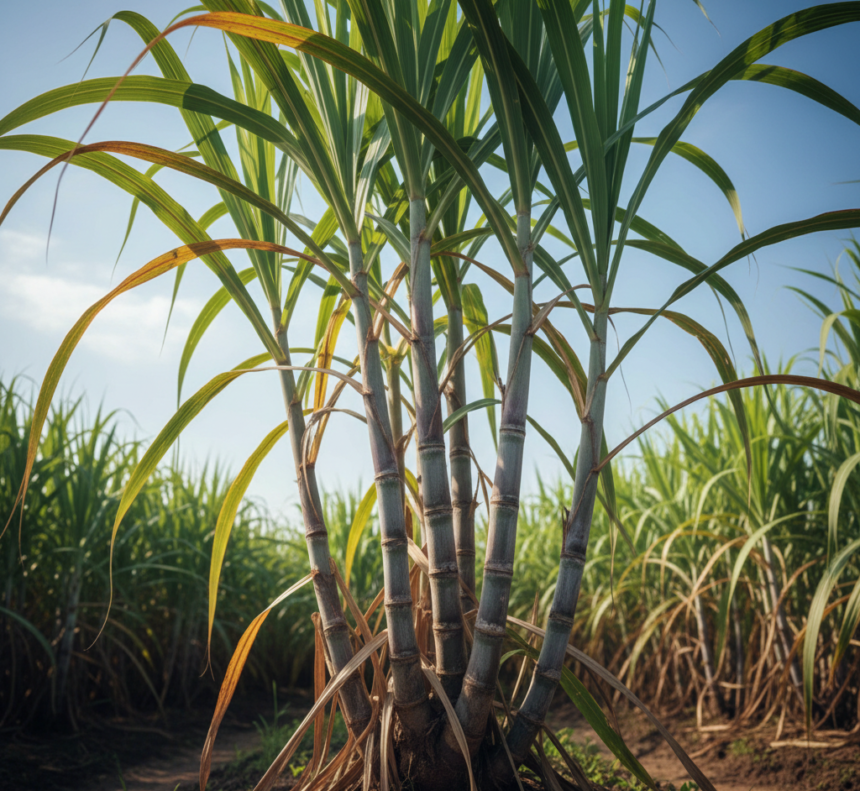
Sugar Manufacturing: Sugar. It’s a staple in kitchens worldwide, a fundamental ingredient in countless foods and beverages, and a commodity that moves global markets. But have you ever stopped to think about the incredible journey it takes to get from a tall, grassy plant in a field to the fine, white crystals in your sugar bowl? The answer lies in the fascinating and complex world of sugar manufacturing.
This comprehensive guide will take you deep into the heart of sugar production. We’ll explore the entire lifecycle, from the cultivation of sugarcane to the intricate processes inside a modern mill, the innovative technologies shaping the industry, and the vital role of by-products. Whether you’re a student, a professional in the food industry, or simply a curious mind, this 8800-word exploration will provide you with an unparalleled understanding of how one of the world’s most essential commodities is made.
What is Sugar Manufacturing?
At its core, sugar manufacturing is the industrial process of extracting and purifying sucrose from plant sources. While sugar can be derived from both sugarcane (a tropical grass) and sugar beets (a root vegetable grown in temperate climates), this guide will focus primarily on sugarcane processing, as it accounts for approximately 80% of the world’s sugar production.
The process is a magnificent blend of agriculture, mechanical engineering, and chemistry. It’s a testament to human ingenuity, transforming a perishable, bulky plant into a stable, transportable, and universally desired sweetener. Major sugar-producing nations like Brazil, India, China, Thailand, and Australia have built massive industries around this transformation, employing millions of people and driving significant economic activity.
Part 1: From Field to Factory – The Agricultural Foundation
The journey of sugar begins not in a factory, but under the sun, in the sprawling sugarcane fields. The quality of the final product is intrinsically linked to the practices employed at this very first stage.
1. Cultivation and Growing Conditions
Sugarcane is a perennial grass that thrives in tropical and subtropical regions. It requires:
-
Warm Temperatures: Consistent temperatures between 20°C and 35°C are ideal.
-
Ample Sunlight: It’s a sun-loving plant that requires long hours of intense sunlight for photosynthesis.
-
Abundant Water: Sugarcane is a thirsty crop, requiring significant rainfall or irrigation—typically between 1500-2500 mm of water during its growing season.
-
Rich, Well-Drained Soil: Deep, loamy soils rich in organic matter provide the best foundation for root development and nutrient uptake.
2. Planting and Ratooning
Farmers don’t plant seeds in the traditional sense. Instead, they plant sections of mature sugarcane stalks, known as “setts” or “billets.” Each sett contains buds that will sprout into a new plant. This method ensures genetic consistency and a faster start to the growing cycle.
One of the most efficient aspects of sugarcane farming is “ratooning.” After the first harvest (the “plant cane”), the underground root system remains intact. New shoots, called “ratoons,” sprout from these roots, allowing for subsequent harvests without the need for replanting. A single planting can typically yield one plant cane crop and two to three ratoon crops before the yield declines and replanting becomes necessary.
3. Maturation and Harvesting
The cane typically takes 9 to 24 months to mature, depending on the climate and variety. As it matures, the sucrose concentration in the stalks increases. Farmers and mills use a measure called Commercial Cane Sugar (CCS) to determine the optimal harvest time. The CCS value estimates the recoverable sugar content, ensuring the cane is harvested at its peak sweetness.
Harvesting is a massive logistical operation. In most modern sugar-producing regions, it’s done mechanically using large, powerful harvesters that:
-
Cut the cane at the base.
-
Strip the leaves and tops (which are often left in the field as mulch to enrich the soil).
-
Chop the remaining clean stalks into consistent lengths called “billets.”
-
Load the billets into accompanying cane haul-out vehicles.
These vehicles then rush the freshly cut cane to the mill. Speed is critical here. Once harvested, the sugar content in the cane begins to deteriorate. To preserve quality, the cane must be crushed within 24 to 48 hours of being cut.
Part 2: The Heart of the Operation – The Sugar Manufacturing Process
Now we arrive at the core of our topic: the sugar mill itself. This is where the transformation truly begins. Let’s walk through the detailed, step-by-step process that turns a truckload of sugarcane billets into raw sugar crystals.
Step 1: Preparation and Milling – Extracting the Juice
The journey inside the mill starts as the cane billets are dumped onto massive conveyor belts.
-
Shredding: The first critical piece of machinery is the heavy-duty shredder. Its purpose is to break down the hard, fibrous stalks into a finer, more pliable mat of shredded cane. This process ruptures the juice-containing cells, making the subsequent extraction far more efficient. This shredded material is often called “prepared cane.”
-
Crushing: The prepared cane then passes through a series of heavy, three-roller crusher mills. Water is often sprayed onto the cane mat between mills, a process called “imbibition.” This helps to leach out more sugar from the shredded fibers. The pressure from the mills squeezes out the sweet, greenish juice, separating it from the solid, fibrous residue. As you noted from Wilmar Sugar’s overview, the general rule of thumb is that it takes about seven tonnes of cane to produce one tonne of raw sugar.
Step 2: Juice Clarification – Purifying the Sweet Liquid
The raw juice squeezed from the mills is a complex mixture. It contains not only sucrose but also water, soil particles, plant proteins, gums, and other impurities. This murky liquid must be cleaned.
-
Heating and Liming: The juice is first heated and then treated with a process called “liming,” where milk of lime (calcium hydroxide suspension) is added. This neutralizes the juice’s natural acidity (which can cause sucrose inversion into glucose and fructose) and helps coagulate the impurities.
-
Settling: The limed juice is pumped into a large, slow-moving vessel called a clarifier. Over time, the heavier coagulated impurities settle to the bottom, forming a mud-like substance. The clear, lighter juice on top—now a translucent, amber-colored liquid—is drawn off for further processing.
-
Mud Filtration: The mud from the bottom of the clarifier still contains a significant amount of sugar. To recover this, it is filtered, typically using rotary vacuum filters. The solid residue from this process, called “filter cake” or “press mud,” is rich in organic matter and is often returned to the fields as a valuable soil conditioner.
Step 3: Evaporation – Concentrating the Juice
The clarified juice is still about 85% water. Boiling off all this water would be incredibly energy-intensive. This is where the ingenuity of a sugar mill’s energy efficiency comes into play.
-
Multiple-Effect Evaporator System: The juice passes through a series of large, closed vessels called evaporators. The key is that each vessel operates under a progressively higher vacuum. By lowering the pressure, the boiling point of water is reduced. This allows the juice from the previous vessel to boil using the steam generated from the previous vessel, creating a highly efficient, cascading effect.
-
From Juice to Syrup: By the time the juice exits the final evaporator, most of the water has been removed. What remains is a thick, brown, viscous liquid called syrup, which now has a sugar concentration of about 65-70%.
Step 4: Crystallization – Creating the Sugar Crystals
This is the magical step where the invisible sugar dissolved in the syrup becomes visible, solid crystals. This takes place in a piece of equipment called a vacuum pan.
-
Seeding: The syrup is pumped into the vacuum pan and further concentrated by boiling under a high vacuum. Once the syrup reaches a supersaturated state, it is “seeded” with fine, pre-prepared sugar crystals (or sometimes with a slurry of sugar and alcohol). These microscopic seed crystals act as a nucleus, providing a surface for the dissolved sugar molecules in the syrup to attach to and grow.
-
Graining: The mixture is carefully managed, with more syrup being fed in as the water evaporates. The crystals grow steadily, like tiny, square snowballs rolling in the sugary slush. The operator’s skill is crucial here to ensure the crystals grow uniformly and don’t form new, unwanted crystals. This process continues until the crystals reach the desired size—typically about 1mm in diameter. The resulting thick mixture of sugar crystals and surrounding syrup is now called massecuite (from the French word for “cooked mass”).
Step 5: Centrifugation – Separating Crystals from Syrup
Now it’s time to separate the solid sugar crystals from the liquid syrup.
-
Spinning: The massecuite is fed into a centrifuge—a perforated cylindrical basket that spins at incredibly high speeds. The force generated throws the liquid syrup (now called molasses) out through the fine mesh screen, while the solid sugar crystals are retained within the basket.
-
Washing: To produce a higher purity raw sugar, a small amount of hot water or steam is often sprayed onto the spinning sugar cake. This washes away the thin film of molasses clinging to the crystal surfaces.
Step 6: Drying, Cooling, and Storage
The wet sugar crystals from the centrifuge are still slightly damp and warm.
-
Drying: They are transported to a rotary dryer, a long, cylindrical drum that tumbles the sugar through a stream of warm, dry air. This removes any remaining moisture.
-
Cooling and Conditioning: The dried sugar is then cooled in a similar rotary cooler with ambient air. This prevents caking during storage.
-
Storage: Finally, the finished raw sugar is transferred to massive bulk sugar bins or warehouses. From here, it will be transported in bulk—often by ship—to refineries around the world, where it will be further purified into the white, granulated sugar, icing sugar, and brown sugar familiar to consumers.
Part 3: The Valuable Co-Products of Sugar Manufacturing
A modern sugar mill is a model of efficiency, with virtually no waste. Everything that goes in is turned into something valuable. The main co-products are:
1. Bagasse: The Energy Powerhouse
Remember the fibrous residue left after crushing? That’s bagasse. For every tonne of cane crushed, about 270-280 kg of bagasse (with 50% moisture) is produced.
-
Fuel for the Mill: Bagasse is an excellent biofuel. Most sugar mills are energy self-sufficient, burning bagasse in specially designed boilers to generate high-pressure steam. This steam drives the turbines for the crushers and other machinery, and also provides the heat needed for the evaporation and crystallization processes.
-
Exporting Green Power: Many modern, efficient mills now generate a surplus of electricity. This “green power” can be fed back into the local or national electricity grid, creating an additional revenue stream and a significant environmental benefit.
-
Other Uses: Bagasse is also increasingly used as a raw material for manufacturing eco-friendly products like biodegradable plates, bowls, and food containers, as well as in the production of paper, particleboard, and even as a component in animal feed.
2. Molasses: The Versatile Syrup
As described in the process, molasses is the dark, viscous syrup left after sugar crystallization. It’s a valuable product in its own right.
-
Animal Feed: It is a highly palatable energy source and a binding agent in cattle and other livestock feed.
-
Distilling and Fermentation: Molasses is the primary raw material for the production of rum. It’s also fermented and distilled to produce industrial alcohol and ethanol, a biofuel that is blended with gasoline in many countries, most notably Brazil.
-
Food Industry: It is used in bakeries for flavor and moisture, in the production of yeast, and as a key ingredient in products like treacle and certain types of brown sugar and baked beans.
3. Press Mud (Filter Cake): The Soil Booster
The residue from the clarification process, filter cake, is rich in wax, fiber, and a significant amount of plant nutrients like calcium, nitrogen, phosphorus, and potassium. It is typically returned to the sugarcane fields as an excellent organic fertilizer and soil conditioner, improving soil structure and fertility.
Part 4: From Raw to Refined – The Next Step
The raw sugar produced in a mill is not yet the pure white product most consumers know. It still contains molasses, minerals, and other impurities, giving it a tan to brown color. The journey to the supermarket shelf continues at a sugar refinery.
The refining process is, in essence, a more thorough purification of the raw sugar. It typically involves:
-
Affination: Mingling the raw sugar with a heavy syrup to soften and remove the outer molasses film, followed by centrifugation to separate it.
-
Melting and Clarification: Dissolving the sugar crystals in hot water to create a syrup, then treating it with phosphoric acid and lime. The resulting precipitate traps impurities, which are then removed in a clarifier.
-
Decolorization: The melted syrup is passed through beds of granular activated carbon or ion-exchange resins. These materials act like magnets, absorbing the colored compounds and producing a perfectly clear, colorless sugar syrup.
-
Recrystallization: The purified syrup is again evaporated and crystallized in vacuum pans, but this time under extremely controlled conditions to produce the desired crystal size (from fine table sugar to coarse preserving sugar).
-
Drying and Screening: The final white crystals are dried, cooled, and passed through vibrating screens to separate them by size before being packaged for consumers and food manufacturers.
Part 5: Global Trends and Innovations in Sugar Manufacturing
The sugar industry is not static. It is constantly evolving, driven by economic pressures, environmental concerns, and technological advancements. Here are some key trends shaping the future of sugar manufacturing.
1. The Push for Energy Efficiency and Cogeneration
As hinted at with bagasse, modern mills are becoming biorefineries. The focus is on maximizing energy efficiency to burn less bagasse, thereby creating a larger surplus for electricity generation. Advanced boiler technologies that operate at higher pressures and temperatures are central to this trend, allowing mills to become significant producers of renewable energy.
2. Precision Agriculture and Data Analytics
Technology is transforming the agricultural side. Drones, satellite imagery, GPS-guided tractors, and soil sensors are used to monitor crop health, optimize irrigation and fertilizer application, and predict yields with incredible accuracy. This “precision agriculture” approach leads to higher cane yields, better sugar content, and reduced environmental impact.
3. Automation and Industry 4.0
Inside the mill, automation is taking over many manual control tasks. Sophisticated sensors and control systems continuously monitor and adjust the entire process, from milling rates to crystallization pan levels. This ensures consistent quality, maximizes sugar recovery, and improves safety by reducing the need for human intervention in hazardous areas. For an external perspective on global industrial automation trends, you can read more from sources like Automation World.
4. Sustainability and Water Management
Water is a critical resource for sugar manufacturing, both for irrigation and processing. The industry is under increasing pressure to reduce its water footprint. Mills are achieving this by recycling water extensively within the plant and treating effluent to high standards before releasing it. On the farm, more efficient irrigation techniques like drip irrigation are being adopted.
5. The Rise of “Added Value” Products
Beyond sugar, ethanol, and electricity, mills are exploring new revenue streams. This includes producing specialized sugars (like demerara or muscovado), biochemicals from molasses or bagasse, and even bioplastics. This diversification helps buffer the industry against volatile global sugar prices. Organizations like BIO often highlight the potential of industrial biotechnology in creating such value-added products from agricultural feedstocks.
6. Navigating Global Trade and Policy
The sugar market is one of the most politically sensitive and protected commodity markets in the world. Government policies, subsidies, tariffs, and trade agreements in major producing and consuming nations (like the US, EU, India, and Brazil) have a profound impact on global prices and the profitability of manufacturers everywhere. For the latest analysis on global sugar markets and policy, resources like S&P Global Commodity Insights provide in-depth coverage.
Conclusion: The Sweet Science of Manufacturing
The journey of sugar manufacturing is a remarkable story of transformation. It’s a story that begins in the soil, with the patient work of farmers, and culminates in the high-tech, automated environment of a modern mill. It is an industry built on a simple 7:1 ratio but powered by complex chemistry, physics, and engineering.
From the crucial first step of shredding and crushing to the final, delicate dance of crystallization in a vacuum pan, every stage is a testament to human innovation. Moreover, the modern sugar mill stands as a shining example of industrial ecology, where by-products are not waste, but valuable resources—powering the process, feeding livestock, enriching the soil, and even contributing renewable energy to the grid.
As consumer preferences evolve and the world increasingly focuses on sustainability, the industry continues to adapt. Whether through precision agriculture, energy cogeneration, or the development of new bio-based products, sugar manufacturing remains a dynamic and vital part of the global economy. So, the next time you spoon sugar into your coffee or bite into a sweet treat, take a moment to appreciate the incredible, globe-spanning journey that brought it to your table.