

Sugarcane is a tall, tropical grass that thrives in warm, sunny climates. It is known for its thick, juicy stalks, which are rich in sucrose, the key ingredient for sugar production. The plant grows to a height of about 10 to 12 feet, and once mature, it is harvested for its high sugar content. Sugarcane is a renewable resource that is not only vital for sugar production but also for producing various byproducts like molasses and bagasse.
It’s grown extensively in countries like Brazil, India, and China, where its cultivation and harvesting significantly contribute to local economies and industries.
Harvesting the Cane: From Field to Factory
Once the sugarcane matures, it is ready for harvesting. Traditionally, sugarcane was harvested manually with machetes, but today, mechanical harvesters are often used to improve efficiency. The cane stalks are cut near the base and collected for transport to mills. The timing of the harvest is crucial because sugarcane has a limited shelf life after being cut, and the sugar content can degrade if not processed quickly.
After harvesting, the cane is transported to mills for the next stage of its transformation. Efficient harvesting methods are key to ensuring the highest yield and preserving the quality of the cane.
The Sweet Extract: Crushing the Cane
After the sugarcane is harvested, the next step is crushing the stalks to extract the sweet juice. This is done using heavy, industrial crushers or rollers, which squeeze the juice out of the cane. The extracted juice is then filtered and clarified to remove impurities like soil, fiber, and plant material. The juice is rich in sucrose, which is the main component that will later be refined into sugar.
This stage is crucial, as the quality of the juice directly affects the final product. The extracted juice is then boiled down to form syrup, which is the precursor to raw sugar.
Boiling and Crystallizing: The Sweet Transformation
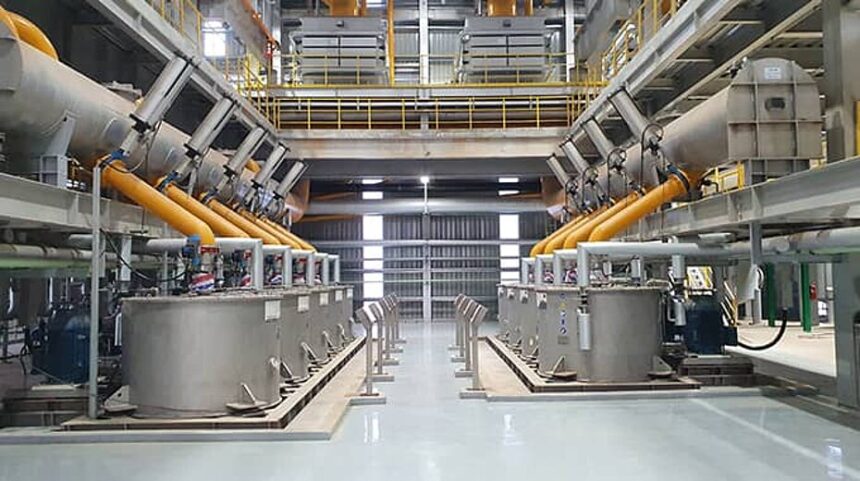
Once the sugarcane juice is extracted, it is heated in large vats, causing the water to evaporate and leaving behind a concentrated syrup. The syrup undergoes crystallization, a process where sugar crystals begin to form. To separate the crystals from the syrup, centrifuges are used, spinning the mixture at high speeds. The result is raw sugar, which is still somewhat impure and contains molasses.
This raw sugar will be further processed in the next stages to remove any remaining impurities. Boiling and crystallization are essential steps for turning the extracted juice into solid sugar crystals, ready for refinement.
Refining the Sugar: From Raw to Pure
After the raw sugar is separated from the molasses, it is sent to a refinery where it undergoes further purification. The raw sugar is dissolved in hot water, and the resulting solution is filtered to remove remaining impurities. The liquid is then re-crystallized to form pure white sugar crystals. The refining process removes most of the minerals and molasses, resulting in sugar that is not only sweeter but also finer in texture.
This refined sugar is the product that reaches consumers in the form of table sugar. Refining ensures that sugar is free from impurities and suitable for culinary and industrial uses.
The Future of Cane to Sugar: Sustainability and Innovation
As the world moves toward sustainability, the sugar industry is adopting more eco-friendly practices. Innovations such as using bagasse as biofuel for energy generation, recycling water, and reducing chemical usage in refining processes are helping make sugar production more sustainable. Additionally, improvements in harvesting and processing techniques are increasing efficiency and reducing waste.
The future of sugar production looks promising with ongoing efforts to integrate renewable energy and environmentally friendly practices. These advancements not only contribute to reducing the environmental impact but also ensure that sugar production can continue to meet global demand in a sustainable manner.